
Duane Davis Confessed to Police in 2008 About Fatal Shooting
Key Developments in the Murder Investigation
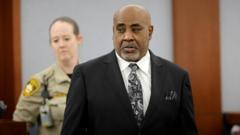
In a significant moment during recent legal proceedings, a Duane Davis confession to police interview from 2008 was presented as evidence to the jury. The recorded conversation between Davis and detectives has become central to understanding the circumstances surrounding the fatal shooting that occurred years prior. This audio documentation provides crucial insights into what Davis allegedly disclosed during his interrogation with law enforcement officials.
The decision to introduce this recorded police interview marks an important turning point in how the case has unfolded. Attorneys presented the audio evidence directly to jurors, allowing them to hear Davis's statements firsthand rather than relying solely on written transcripts or witness testimony. Such direct presentation of evidence is often considered highly impactful in criminal proceedings, as it enables the jury to assess the credibility and demeanor of the accused.
Details of the Recorded Statement
According to the information presented to the jury, Davis reportedly indicated that his nephew was responsible for firing the fatal shots. This claim, made during the 2008 police interrogation, represents a critical assertion in the case. The specificity of this allegation—naming a family member as the actual perpetrator—adds considerable complexity to the investigation and subsequent prosecution.
The nature of this confession evidence raises important questions about the reliability and circumstances of Davis's statement. Law enforcement officials conducted the interview as part of their broader investigation, seeking to clarify Davis's involvement and knowledge of the events in question. The recording preserves the exact words Davis spoke, including any hesitations, corrections, or clarifications he may have provided during the questioning.
Presentation of Evidence in Court
The jury's exposure to this audio recording represents a critical moment in the trial. By hearing the original interview rather than a summary or interpretation, jurors can form their own conclusions about what Davis said and how he said it. The tone, pacing, and apparent confidence or uncertainty in Davis's voice may influence how jurors evaluate his credibility and the reliability of his account.
Legal experts recognize that recorded interrogation evidence can be particularly persuasive in criminal trials. Juries often perceive such recordings as more authentic and harder to dispute than testimony about what was said. However, the same recordings can also reveal potential issues with how the interview was conducted, including questions about whether proper procedures were followed and whether any coercion or improper influence occurred.
Investigation Timeline and Context
The 2008 interview took place several years after the initial incident, meaning Davis had considerable time between the event and his police questioning. This temporal gap can affect memory accuracy and the completeness of any statements made during the interrogation. Detectives would have been seeking to confirm facts, establish timelines, and determine the level of Davis's involvement or knowledge regarding the fatal shooting.
The investigation that led to this recorded interview represented a substantial law enforcement effort. Police conducted interviews with multiple individuals, gathered physical evidence, and developed investigative theories about what occurred. The inclusion of Davis's recorded statement in the trial proceedings indicates that prosecutors deemed it sufficiently relevant and admissible to warrant direct presentation to jurors.
Legal Implications and Defense Considerations
Defense counsel likely had the opportunity to cross-examine the implications of this recorded police statement or present alternative interpretations of Davis's words. The admissibility of the recording itself, as well as any statements Davis made during the interview, would have been subject to legal scrutiny prior to its presentation to the jury. Rules of evidence govern what recordings can be played in court and under what circumstances.
The allegation that Davis's nephew fired the shots, if accepted by the jury, could significantly impact the verdict in the case. Such a claim shifts potential culpability away from Davis personally and toward a family member. However, jurors must also consider whether Davis may have been complicit in the crime, whether through planning, assistance, or cover-up activities, even if he did not personally fire the weapon.
Conclusion and Case Status
The presentation of Duane Davis's 2008 police interview to the jury marks a pivotal moment in the ongoing legal proceedings. This recorded evidence provides direct documentation of statements Davis made to law enforcement concerning his alleged involvement and his claims about his nephew's role. As the trial continues, jurors will weigh this evidence alongside other testimony and physical evidence presented by both prosecution and defense teams to reach their verdict.


