
Devastating Typhoon Bavi Threatens Taiwan and China
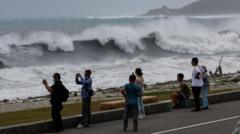
Typhoon Bavi Approaches East Asia with Historic Intensity
Typhoon Bavi, an exceptionally powerful weather system spanning 1,000 kilometers in width, is rapidly advancing toward Taiwan and southeastern China, prompting regional authorities to issue urgent warnings. This massive tropical cyclone is anticipated to rank among the strongest typhoons witnessed in recent decades, presenting a significant threat to millions of residents across the region.
Scale and Severity of the Storm System
The unprecedented size of Typhoon Bavi distinguishes it from typical tropical storms. With its 1,000 km-wide circulation pattern, meteorological experts have classified this weather phenomenon as potentially catastrophic. The storm's trajectory suggests it will impact densely populated areas, making preparation and evacuation efforts critical priorities for regional governments.
Current Weather Forecasts and Predictions
Meteorological agencies across East Asia are monitoring Typhoon Bavi's development with heightened attention. Scientists project that the storm will maintain considerable strength as it moves through the region, with wind speeds and precipitation levels expected to reach dangerous thresholds. The forecast models indicate that Taiwan will face the initial impact, followed by southeastern China experiencing severe weather conditions.
Philippines Struggles with Devastating Mudslides
Prior to Typhoon Bavi's approach to Taiwan and China, the Philippines has already experienced tragic consequences from extreme weather conditions. Recent landslides triggered by heavy rainfall have resulted in at least 15 confirmed fatalities, leaving communities devastated and infrastructure damaged across multiple provinces. These casualties underscore the severe hazards associated with tropical weather systems in the region.
Impact on Philippine Communities
The landslides that claimed 15 lives in the Philippines serve as a grim reminder of the destructive potential of tropical cyclones. Emergency response teams have been mobilized to assist affected communities, though search and rescue operations continue in several areas. The disaster has displaced thousands of residents and caused considerable economic losses to local agricultural and commercial sectors.
Preparation Efforts in Taiwan and Southeast China
Anticipating Typhoon Bavi's imminent arrival, officials in Taiwan and southeastern China have implemented comprehensive emergency protocols. Evacuation orders have been issued for vulnerable coastal regions and areas prone to flooding or landslides. Government agencies are stockpiling emergency supplies, reinforcing critical infrastructure, and ensuring that medical facilities are prepared to handle mass casualties if necessary.
Public Safety Measures and Advisories
Authorities across the region have issued directives urging residents to secure their homes, gather essential supplies, and prepare for extended power outages. Schools and businesses have announced closures, while transportation networks face potential disruptions. The scale of preparation reflects the serious assessment of Typhoon Bavi's potential impact on Taiwan and southeastern China.
Historical Context and Storm Comparisons
When experts describe Typhoon Bavi as potentially the strongest storm in decades, they reference a historical baseline of major tropical cyclones. Past typhoons that struck the region caused widespread destruction, claimed thousands of lives, and resulted in billions of dollars in damages. The comparison to these historical events emphasizes the urgent need for comprehensive disaster preparedness throughout East Asia.
Regional Coordination and International Response
The threat posed by Typhoon Bavi has prompted coordinated responses from multiple governments in East Asia. Weather agencies share real-time data and forecasting information to enhance prediction accuracy and response timing. International relief organizations are pre-positioning resources to assist affected populations once the storm passes.
Climate Change and Extreme Weather Patterns
Scientists have noted that the frequency and intensity of major typhoons like Bavi may be influenced by changing climate patterns. Rising ocean temperatures provide additional energy to tropical cyclones, potentially intensifying their destructive capacity. The combination of Typhoon Bavi's massive size and projected strength has prompted renewed discussions about climate change impacts on East Asian weather systems.
As Typhoon Bavi continues its trajectory toward Taiwan and southeastern China, regional residents and authorities remain in heightened alert status, preparing for what meteorologists describe as one of the most severe storms in recent memory.


