
Deadly Nepal-Tibet Floods: What We Know So Far
Nepal-Tibet Floods: A Catastrophic Natural Disaster
A devastating series of Nepal-Tibet floods has claimed hundreds of lives and left many others missing following severe flooding and landslide events that struck the border region on Wednesday. The disaster represents one of the most significant natural calamities to affect this vulnerable area in recent times, with authorities still working to assess the full extent of the damage and determine the exact death toll.
Understanding the Scale of the Disaster
The Nepal-Tibet floods emerged suddenly, catching residents off guard as torrential rainfall triggered massive geological shifts along the mountainous border. Initial reports indicate that entire communities have been impacted, with rescue teams mobilizing across difficult terrain to locate survivors and recover bodies. The combination of flooding and landslides has created an exceptionally dangerous situation, as unstable slopes continue to pose threats to rescue operations and remaining settlements.
Casualties and Missing Persons
The death toll from Wednesday's events continues to fluctuate as recovery operations proceed. Hundreds of individuals have been confirmed dead, while an equally alarming number remain missing in the affected regions. Families are desperately seeking information about loved ones, and local authorities have established emergency hotlines and coordination centers to process reports and facilitate search efforts.
Geographic Impact and Affected Areas
The Nepal-Tibet floods have predominantly affected border communities that are naturally vulnerable to severe weather events due to their geographic location. These mountainous regions, characterized by steep valleys and limited infrastructure, are particularly susceptible to rapid water accumulation and soil instability. The border area's remote nature has complicated rescue and relief operations, as access roads have been severely damaged or completely destroyed by the flooding and associated landslides.
Causes of the Flooding
Meteorological data suggests that unprecedented rainfall rates triggered the catastrophic flooding. The heavy precipitation fell over a concentrated area and time period, overwhelming natural and artificial drainage systems. The mountainous terrain, while scenic, naturally amplifies water velocity and volume as it flows downward through valleys and gorges, accelerating the destructive power of the Nepal-Tibet floods.
Response and Relief Efforts
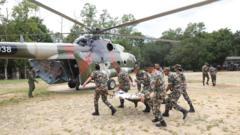
Government authorities from both Nepal and Tibet have coordinated emergency response initiatives, deploying rescue teams equipped with specialized equipment for mountain operations. Medical personnel have established temporary treatment facilities to address injuries among survivors, and humanitarian organizations are mobilizing to provide food, shelter, and medical supplies to displaced populations.
Challenges Facing Rescuers
Search and rescue operations face numerous obstacles that impede progress and endanger personnel. Continuing aftereffects of the Nepal-Tibet floods include unstable terrain, damaged infrastructure, and unpredictable weather conditions. Communication systems in affected regions have been largely destroyed, making coordination difficult and information gathering problematic. Additionally, the remoteness of many affected communities means rescue teams must traverse treacherous mountain paths to reach survivors.
Community Impact and Displacement
Beyond the immediate loss of life, the Nepal-Tibet floods have created a humanitarian crisis characterized by mass displacement. Thousands of survivors have lost their homes, possessions, and livelihoods. Agricultural lands have been destroyed, and critical infrastructure including bridges, roads, and water systems has been severely compromised. Local economies, already fragile in these remote regions, face extended recovery periods.
Recovery Outlook
Rehabilitation following the Nepal-Tibet floods will require sustained international and regional cooperation. Engineers and urban planners will need to assess infrastructure damage and develop reconstruction strategies. Mental health support will be crucial for traumatized survivors, while economic assistance programs must address the loss of employment and agricultural resources in affected communities.
Ongoing Monitoring and Updates
Authorities continue collecting data about the full extent of the disaster. As search operations proceed, casualty figures may change, and previously unreported damage in isolated communities may emerge. Meteorological agencies are monitoring weather patterns to prevent additional flooding, while geological surveys assess landslide risks in surrounding areas.
The Nepal-Tibet floods represent a tragic reminder of nature's devastating power and the vulnerability of mountain communities. International response continues to mobilize resources to support affected populations through this critical period of crisis and recovery.


