
Critical Tech Infrastructure Faces Rising Heat Vulnerability Risk
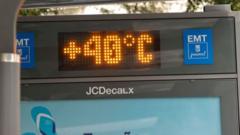
Tech Infrastructure Heat Vulnerability: A Growing Crisis
The vulnerability of crucial tech infrastructure to extreme heat represents one of the most pressing challenges facing modern societies. Tech infrastructure heat vulnerability extends far beyond simple operational disruptions, affecting fundamental services that millions of people depend on daily. Energy grids, telecommunications networks, and train services face unprecedented stress during periods of intense heat exposure.
Understanding the Impact on Energy Grids
Energy grids stand as one of the most critical systems at risk from elevated temperatures. When temperatures rise significantly, electrical infrastructure experiences increased demand for cooling purposes, paradoxically straining the very systems designed to deliver power. Transformers and power distribution equipment operate less efficiently in extreme heat, leading to potential failures and widespread blackouts. The combination of high demand and reduced system capacity creates dangerous scenarios where supply cannot meet demand, leaving entire regions without electricity.
Power plants themselves face cooling challenges, as many rely on water sources for heat dissipation. During heat waves, water temperatures rise and availability decreases, forcing facilities to operate at reduced capacity or shut down entirely. This cascading effect demonstrates how interconnected our energy infrastructure truly is, with heat impacts rippling through the entire system.
Train Services Under Heat Pressure
Railway networks represent another vulnerable component of critical infrastructure. Train services depend on sophisticated signaling systems and track integrity that both suffer under extreme heat. Railway tracks expand when exposed to high temperatures, potentially causing warping or misalignment. These physical changes can force operators to reduce speed limits or cancel services entirely, disrupting transportation networks and affecting millions of commuters.
Signaling systems and electronic control equipment in train services also experience performance degradation during heat events. The complex electronics powering modern rail systems require precise operating temperatures. When ambient heat exceeds design specifications, cooling systems become overwhelmed, leading to failures in critical safety systems.
Telecommunications and Digital Infrastructure
Beyond energy and transport, data centers and telecommunications equipment represent increasingly important tech infrastructure vulnerable to heat. Modern computing facilities generate enormous amounts of waste heat, requiring sophisticated cooling systems. When external temperatures rise, these cooling systems work harder and less efficiently, consuming more energy while providing less cooling benefit.
The redundancy and interconnection of modern tech infrastructure means that localized heat-related failures can cascade across regions. Internet services, financial systems, and emergency communications all depend on uninterrupted power and proper cooling. Heat events that disrupt one facility can destabilize connected systems across broader geographic areas.
Climate Change Amplifying Vulnerability
Climate change is making heat vulnerability an increasingly serious concern. Record temperatures are becoming more frequent, intense, and prolonged. Infrastructure designed decades ago may not meet the challenges posed by modern temperature extremes. As heat waves intensify, the margin between normal operations and system failure continues to narrow for aging infrastructure.
Many facilities were engineered with historical temperature ranges in mind. These parameters no longer accurately reflect current climate conditions, leaving critical infrastructure operating closer to maximum capacity during heat events. Upgrading infrastructure to handle future heat scenarios requires enormous investment and coordinated planning across multiple sectors and jurisdictions.
Solutions and Future Resilience
Addressing tech infrastructure heat vulnerability requires multifaceted approaches. Enhanced cooling systems, improved materials, and better thermal management represent immediate improvements. Longer term, redundancy improvements and geographic distribution of critical systems can reduce vulnerability to localized heat events.
Investment in renewable energy sources that operate more efficiently at higher temperatures, implementation of smart grid technology that manages demand dynamically, and development of heat-resistant materials for infrastructure components all contribute to solutions. Building resilience into critical infrastructure now will protect essential services as climate challenges intensify in coming decades.


