
Colombia's Brutal Internal Conflict Shapes Decisive Presidential Race
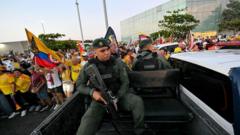
Colombia's Internal Conflict at the Center of Electoral Debate
Colombia's internal conflict remains the defining issue in the nation's presidential election, with voters facing a stark choice between two fundamentally different approaches to addressing the country's persistent security challenges. The escalating violence perpetrated by armed gangs has become the central pillar around which both candidates are building their political platforms, reflecting public anxiety about the future direction of peace efforts and national stability.
The election presents voters with competing visions for tackling the complex web of drug trafficking organizations, paramilitary groups, and criminal networks that have plagued Colombian society for decades. Each candidate represents a contrasting philosophy on how best to restore peace and security to regions ravaged by violence and criminal activity.
The Left-Wing Senator's Dialogue Approach
One candidate in this critical race is a progressive senator from the left side of Colombia's political spectrum who advocates for pursuing direct negotiations with armed gangs operating throughout the country. This approach emphasizes dialogue as a pathway to peace, building upon Colombia's historical experience with conflict resolution through negotiated settlements.
The senator's platform centers on the belief that many armed groups can be brought to the negotiating table through patient diplomatic efforts and incentives for disarmament. Supporters of this strategy argue that exclusive reliance on military operations has failed to resolve the underlying conditions that fuel gang recruitment and criminal activity in marginalized communities.
This candidate's vision includes expanding social programs in conflict-affected regions, addressing poverty as a root cause of violence, and creating institutional frameworks where armed groups can transition to civilian life. The proposal reflects broader left-wing ideology prioritizing rehabilitation and social investment over purely security-based interventions.
Support Base and Campaign Message
The senator has garnered support from progressive voters, human rights organizations, and communities tired of decades of armed conflict. Campaign messaging emphasizes dialogue over military force, reconciliation over retribution, and addressing systemic inequalities that have perpetuated violence.
The Trump-Endorsed Outsider Candidate
In contrast stands an outsider candidate who has received endorsement from former U.S. President Donald Trump, representing a more hardline stance on Colombia's internal conflict. This candidate positions himself as a break from traditional political establishments and promises more aggressive action against criminal organizations threatening Colombian security.
The Trump-backed contender advocates for strengthened military operations, enhanced law enforcement powers, and stricter penalties for gang members and drug traffickers. This approach emphasizes security and order, proposing to crack down on criminal networks through intelligence operations and coordinated police actions.
Security-First Policy Platform
The outsider candidate's platform prioritizes regaining state control in territories controlled by armed groups and dismantling criminal organizations rather than negotiating with them. This reflects a law-and-order approach that resonates with voters concerned about personal safety and the expansion of gang violence into previously secure areas.
Competing Visions for Colombia's Future
The presidential race illustrates the profound divide within Colombian society regarding how to address decades-long Colombia internal conflict. Voters must choose between pursuing dialogue-based solutions that seek to integrate armed groups into civilian society, or implementing aggressive security measures designed to eliminate criminal threats through force.
Each approach carries inherent risks and potential benefits. Negotiation strategies risk appearing weak to criminal organizations and may be perceived as rewarding violence. Conversely, military-focused approaches could intensify violence in the short term and fail to address root causes of gang recruitment and criminal organization growth.
International Implications and Regional Concerns
The election carries significance beyond Colombia's borders, with regional security implications for neighboring nations and international drug trafficking patterns. The United States, a key ally in Colombia's fight against organized crime and drug production, has signaled its position through Trump's endorsement of the hardline candidate.
Regional neighbors including Peru, Ecuador, and Venezuela watch closely as Colombia's political leadership shifts, given the transnational nature of drug trafficking networks and the movement of criminal organizations across borders in response to enforcement operations.
Voter Priorities and Election Dynamics
Polls indicate that security concerns dominate voter priorities in Colombia's presidential election. Citizens in violence-affected regions express particular anxiety about their physical safety, economic opportunities, and prospects for their children's futures. The internal conflict has displaced millions and devastated entire communities.
As election day approaches, both candidates continue refining their messages and seeking to persuade undecided voters. The contrast between them could hardly be starker, offering Colombian electorate a genuine choice between fundamentally different approaches to resolving the country's most pressing challenge. Ultimately, voters' decision will shape Colombia's trajectory for years to come, determining whether the nation pursues reconciliation through dialogue or security through strengthened enforcement operations against armed gangs.


