Clacton Byelection: Nigel Farage Faces Eccentric Rivals
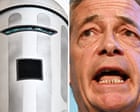
Clacton Byelection Concludes with Record-Breaking Ballot
The Clacton byelection has officially concluded following a historic polling day that featured one of the most extensive candidate lists ever recorded in United Kingdom electoral history. This particular Clacton byelection attracted widespread attention due to the unusual combination of mainstream political contenders and unconventional campaign participants competing for representation in the Essex constituency.
Voters in the eastern English district participated in what many observers have described as the longest ballot ever presented to UK electors. The unprecedented candidate roster transformed this byelection into a memorable event that extended well beyond typical political contests, drawing international media scrutiny and public fascination.
Record-Breaking Candidate Lineup
The Clacton byelection presented an extraordinary assembly of 20 candidates, marking a significant departure from standard electoral proceedings. Alongside mainstream political figures stood novelty and independent candidates, including the satirical campaigner Count Binface, who has become a recognizable fixture in contemporary British elections.
Other notable figures competing in this Clacton byelection included Howling Laud Hope, representing the Monster Raving Loony Party, alongside various independent candidates and representatives from minor political organizations. This eclectic mixture of serious politicians and fringe campaigners created an unusually diverse electoral landscape for voters to navigate during their visit to polling stations.
Nigel Farage's Electoral Challenge
Reform UK's leader, Nigel Farage, positioned himself as the central figure in this competitive Clacton byelection race. Farage had previously represented the constituency as its Member of Parliament before his resignation triggered this byelection earlier in the summer months.
The decision to vacate his parliamentary seat and force this byelection stemmed from escalating controversy surrounding personal gift-receiving allegations. These revelations prompted substantial political pressure on Farage, leading him to pursue this electoral mandate-seeking approach to demonstrate continued constituent support and address mounting criticism regarding the disputed gifts.
Background to the Clacton Byelection
The circumstances leading to this Clacton byelection originated in early July when Farage officially resigned his parliamentary position. Rather than weather the developing scandal through conventional means, he opted for the dramatic decision to contest a byelection, essentially appealing directly to Clacton voters for renewed confidence and electoral validation.
Political analysts noted that this strategy represented an unconventional response to the controversy, allowing Farage to potentially strengthen his position through successful byelection victory while simultaneously addressing detractors who questioned his political viability. The Clacton byelection thus became both a test of local support and a broader statement about Farage's resilience within contemporary British politics.
Electoral Significance and Turnout
The Clacton byelection drew considerable participation from Essex residents determined to select their next parliamentary representative. Polling stations throughout the constituency experienced steady foot traffic as constituents engaged with the distinctive candidate selection available to them during this unusual electoral opportunity.
The byelection's significance extended beyond typical local contests, as victory in Clacton would carry substantial implications for Farage's political credibility, Reform UK's standing within British politics, and broader questions about electoral engagement in contemporary Westminster politics. The unusually extensive candidate field contributed to the event's memorable status within recent electoral history.
Future Political Implications
Results from this Clacton byelection will inevitably shape ongoing political narratives surrounding Nigel Farage, Reform UK's parliamentary prospects, and gift-related controversies affecting multiple political figures. Victory would bolster Farage's position as a consequential political operator capable of winning electoral contests despite substantial scandals.
Conversely, an unexpectedly close result or defeat would provide his political opponents with ammunition questioning his continued relevance and electoral appeal within his traditionally supportive constituency. The Clacton byelection thus represented a crucial checkpoint in determining the trajectory of recent British political developments and the durability of controversial figures navigating public accountability challenges.