
China Condemns Fresh US Sanctions Against Iran and Trading Partners
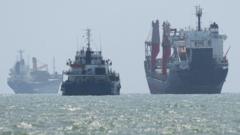
China's Strong Reaction to Enhanced American Sanctions
China has issued a formal condemnation of the recently imposed US sanctions on Iran and its international trading partners, marking another escalation in geopolitical tensions between Washington and Beijing. The controversial US sanctions on Iran represent Washington's latest effort to restrict nations from conducting business with the Iranian government, a strategy that directly impacts China's substantial energy procurement activities.
Impact on Chinese Oil Imports
The enforcement of US sanctions on Iran presents significant challenges to Beijing's energy security strategy. China relies heavily on Iranian petroleum supplies to meet its domestic energy demands, with Tehran functioning as a crucial supplier in Asia's energy landscape. The new sanctions framework threatens to disrupt long-established trade relationships and impose secondary penalties on nations that maintain commercial ties with the Iranian regime.
Beijing's Strategic Energy Interests
For decades, China has developed a robust trading relationship with Iran, importing substantial quantities of crude oil and engaging in various commercial ventures across multiple sectors. The US sanctions on Iran create complications for Beijing's foreign policy objectives and its quest for energy diversification. Iranian oil exports represent a vital component of China's overall import portfolio, contributing significantly to the country's petroleum reserves and industrial operations.
International Diplomatic Tensions
The escalating dispute reflects broader disagreements between Washington and Beijing over Iran policy and regional influence. China views the expansion of US sanctions on Iran as an infringement on sovereign nations' rights to determine their own trading partnerships. The Chinese government has consistently argued that unilateral American sanctions constitute counterproductive measures that destabilize international commerce and violate established principles of free trade.
Secondary Sanctions Concerns
A primary source of Chinese concern involves the threat of secondary sanctions targeting companies and nations that conduct business with Iran. These enforcement mechanisms could potentially penalize Chinese entities engaged in legitimate trade activities, forcing multinational corporations to choose between accessing American markets or maintaining relationships with Iranian partners. The extraterritorial application of US sanctions on Iran represents a contentious issue in international law and commerce.
Regional Implications
The sanctions regime carries broader implications for Asian economies beyond China, affecting other nations that maintain commercial relationships with Tehran. Japan, India, and several European countries have raised objections to Washington's enforcement approach, arguing that unilateral measures prove less effective than multilateral diplomatic solutions. The fragmentation of international consensus regarding Iran policy threatens to undermine global economic cooperation.
Chinese Government Position
Beijing maintains that the US sanctions on Iran violate international law and represent an inappropriate extension of American jurisdiction beyond its borders. Chinese officials argue that Washington's approach contradicts principles established by international organizations and undermines the global rules-based trading system. The Chinese government continues to advocate for diplomatic engagement and negotiated settlements rather than coercive economic measures.
Future Trade Prospects
The confrontation over US sanctions on Iran raises questions about the future trajectory of Chinese-Iranian relations and the broader US-China competition for regional influence. As Washington intensifies its enforcement efforts, Beijing must navigate complex decisions regarding the continuation of trade relationships and the protection of its commercial interests. The situation highlights ongoing strategic competition in the Middle East and Asia's energy markets.


