Child Safety Measures Questioned in 15th-Floor Fall Case
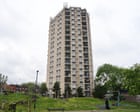
Inquest Examines Preventable Tragedy in East London Residential Block
An official inquest into the death of a five-year-old boy who fell from a 15th-floor window has concluded that additional safety measures could have significantly reduced the risk of this preventable tragedy. The case highlights serious gaps in child safety protocols within residential tower blocks, raising questions about responsibility and accountability among housing authorities and property management companies.
Details of the Incident
Aalim Ahmed, a five-year-old child with autism, tragically fell from a kitchen window at a residential block located in Plaistow, east London. The incident occurred in the early morning hours of May 16, 2024, at approximately 6am. His father, Makail Ahmed, made the heartbreaking discovery of his son's body shortly after the fall took place. The temporary social housing accommodation where the family was residing had been the subject of previous concerns regarding its suitability for a child with additional needs.
Family's Prior Requests for Relocation
Court proceedings revealed that the family had previously submitted formal requests to housing authorities seeking relocation from the high-rise tower block. These requests, made before the tragic incident, indicated that residents had identified safety concerns specific to their living situation. The family's proactive approach to address their housing concerns underscores the awareness of potential dangers inherent in their residential environment. Despite these documented requests, no action was taken to relocate the family to more appropriate accommodation.
Safety Gaps Identified During Inquest
Evidence presented at the inquest demonstrated that multiple additional safeguards could have been implemented within the flat. Window safety devices, such as restrictors or locks that limit opening capacity, were notably absent from the premises. These relatively simple and cost-effective installations are standard safety features in many residential properties accommodating families with young children or individuals with autism spectrum disorder who may lack consistent risk awareness.
The inquest heard testimony regarding inadequate safety protocols specifically designed for vulnerable occupants. Standard measures typically include fitted window locks, safety bars, and restricted opening mechanisms that allow for ventilation while preventing falls. Such measures are particularly crucial in high-rise residential buildings where the consequences of accidental window access are catastrophic.
Vulnerability of Children with Autism
Aalim's diagnosis of autism was a critical factor in assessing what safety measures should have been in place. Children on the autism spectrum may have different risk assessment capabilities and can be prone to sudden, unpredictable movements or behaviors that neurotypical children typically outgrow. Housing authorities have a heightened duty of care when accommodating families with members requiring additional support and protection from environmental hazards.
Specialized training for social housing staff regarding child development, neurodevelopmental conditions, and appropriate environmental modifications was identified as lacking. This knowledge gap contributed to the failure to implement targeted safety solutions that are both standard practice and proportionate to the identified risks.
Systemic Failures in Housing Management
The inquest uncovered broader systemic issues within the social housing system. Communication between family support services, housing departments, and property management teams appeared fragmented. When a family explicitly requests relocation due to safety concerns, these requests should trigger comprehensive risk assessments rather than administrative delays.
The temporary nature of the housing arrangement, typically associated with emergency accommodation, may have contributed to a lack of accountability regarding property maintenance standards and safety installations. Temporary housing should not be exempt from essential child safety requirements, yet evidence suggests this assumption is widespread across multiple local authorities.
Ongoing Implications and Recommendations
This inquest serves as a stark reminder of the importance of implementing comprehensive child safety standards across all residential properties, particularly high-rise buildings. The findings underscore that preventative measures are far more effective and humane than post-incident investigations. Housing authorities must reassess their approach to accommodating vulnerable families and prioritize swift action on relocation requests backed by legitimate safety concerns.
The case has prompted renewed scrutiny of building regulations, window safety requirements, and the training provided to housing staff responsible for assessing and managing risks in residential environments. Moving forward, protocols must ensure that families with children having additional needs receive prioritized consideration and appropriate housing solutions that eliminate environmental hazards.