
Channel 4 ADHD Documentary Sparks Major Charity Complaint
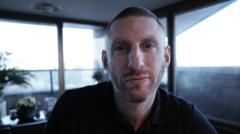
ADHD Charity Challenges Channel 4 Documentary
A prominent Channel 4 ADHD documentary has become the subject of significant criticism from leading attention deficit hyperactivity disorder organizations. The program, which aired on the broadcaster's platform, has drawn considerable backlash from healthcare advocates and support groups who argue its approach misrepresents the condition and its prevalence in modern society.
The controversial broadcast has been described by major media outlets as one of the year's most divisive television productions. The ADHD charity complaint centers on concerns about the documentary's messaging and the potential impact on individuals living with the disorder, as well as their families seeking proper diagnosis and treatment.
Understanding the Controversy
The Channel 4 ADHD documentary sparked immediate reactions from medical professionals and advocacy groups. These organizations argue that the program's presentation may undermine public understanding of ADHD as a legitimate neurodevelopmental condition. The timing of the complaint reflects growing tensions between media outlets and health organizations over responsibility in health-related broadcasting.
Sources within the ADHD community have expressed concern that content presenting skeptical views of the disorder could discourage individuals from seeking necessary medical intervention and psychological support. This ADHD awareness controversy highlights the complex relationship between broadcasting freedoms and public health communication.
The Media Response and Public Debate
Multiple newspapers and media platforms have taken note of what some describe as The Great ADHD Myth controversy. The program's thesis and argumentative approach have made it a talking point across social media, health forums, and professional medical circles. Critics argue that documentaries addressing health topics carry particular responsibility in how they frame medical conditions and scientific evidence.
The documentary backlash demonstrates the broader challenge facing broadcasters when tackling complex health subjects. Industry observers suggest that such controversies underscore the importance of consulting with medical experts and affected communities during production stages. The debate has also prompted discussions about editorial standards for health-related documentaries across major broadcasting networks.
Impact on ADHD Awareness and Understanding
ADHD advocacy organizations maintain that accurate representation of the condition is crucial for public health. The complaint filed against the Channel 4 ADHD documentary represents efforts by these groups to ensure that factual information about neurodevelopmental disorders remains central to public discourse. Many worry that controversial programming could inadvertently contribute to misdiagnosis or delayed treatment for those affected.
Healthcare professionals have emphasized that ADHD is supported by decades of scientific research and clinical practice. The ADHD awareness controversy surrounding the recent documentary serves as a reminder of the need for responsible broadcasting when covering medical and psychological subjects that affect millions of people worldwide.
Next Steps and Industry Implications
The formal complaint regarding The Great ADHD Myth may prompt regulatory review and further discussion about broadcasting standards. Channel 4 and other networks may face increased scrutiny regarding health-related content. Industry experts suggest this incident will likely influence how broadcasters approach documentary production on sensitive medical topics in the future.
The ongoing debate reflects broader concerns about misinformation and the role media organizations play in shaping public perception of health conditions. As the documentary backlash continues to generate discussion, it serves as a case study in the importance of balancing editorial freedom with responsibility to viewers and affected communities.


