
Canada Must Stand Firm Against US Trade Pressure, Manitoba Leader Warns
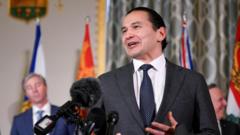
Manitoba Premier Issues Strong Trade Stance
As the Canada US trade deadline draws near, political leaders are intensifying their rhetoric regarding negotiations with American counterparts. Manitoba Premier Wab Kinew has emerged as a vocal advocate for a more assertive Canadian position in ongoing Canada US trade deadline discussions, signaling that the nation must adopt a confrontational approach rather than concede to external pressures.
The Premier's forceful comments underscore growing concerns among provincial leaders about the direction of current trade talks. His statements suggest that Canada should prioritize national interests and maintain firm negotiating positions, even as external pressures mount to reach agreements quickly.
Challenges for Prime Minister Carney's Trade Strategy
The vocal stance from Kinew presents significant obstacles for Prime Minister Mark Carney's efforts to secure broader public and political support for a potential trade arrangement with the United States. The Canada US trade deadline remains a critical juncture that will require careful coordination between federal and provincial governments.
Political observers note that building consensus on trade policy has proven increasingly complex in recent years. The Prime Minister faces the challenging task of balancing regional interests, economic concerns, and public sentiment while navigating the compressed timeframe imposed by the approaching deadline.
Provincial Perspectives on Trade Negotiations
Provincial leaders like Kinew play crucial roles in shaping public opinion and political pressure on the federal government regarding trade matters. Manitoba's perspective on the Canada US trade deadline reflects broader regional concerns about how trade agreements might affect local economies, agricultural sectors, and manufacturing industries.
The Premier's remarks suggest that provinces expect meaningful consultation and consideration of regional impacts before the federal government commits to any major trade agreements. This multi-level governance dynamic adds complexity to negotiating the Canada US trade deadline and requires extensive coordination.
Economic Implications of Trade Policy
The stakes involved in Canada US trade deadline negotiations extend far beyond political posturing. Trade agreements directly impact employment, business competitiveness, sectoral development, and overall economic growth across the country. Different regions have distinct economic priorities and vulnerabilities that must be addressed in comprehensive trade discussions.
Manufacturing hubs, resource-dependent communities, and agricultural regions all have different perspectives on what constitutes favorable trade terms. The Premier's insistence that Canada must fight during these negotiations reflects awareness of these varied regional economic concerns that could be affected by trade agreements.
Timeline Pressures and Negotiation Strategy
The existence of a firm deadline creates both pressure and opportunity in trade negotiations. While deadlines can accelerate decision-making, they can also force parties into unfavorable compromises. Kinew's comments suggest that Canadian leaders should resist being rushed into agreements that don't serve national interests, even if this means intensifying disputes with American counterparts.
The Canadian government must balance the desire to reach agreement with the necessity of securing acceptable terms. Premier Kinew's advocacy for a fighting stance indicates that regional leaders will scrutinize any final agreement carefully and hold federal authorities accountable for the terms secured.
Building Domestic Consensus on Trade
For Prime Minister Mark Carney to successfully navigate the Canada US trade deadline, he must cultivate support among provincial governments, business leaders, labor unions, and the general public. Kinew's public statements demonstrate that this consensus-building process remains incomplete and potentially contentious.
Provincial leaders expect genuine partnership in trade negotiations rather than top-down federal decision-making. The Manitoba Premier's combative framing suggests that the federal government cannot simply announce trade agreements without extensive prior consultation and demonstrated consideration of regional impacts.
Looking Ahead: Trade Negotiations
As the Canada US trade deadline approaches, the political dynamics surrounding these negotiations will likely intensify. Provincial voices, business interests, and public opinion will all influence the federal government's negotiating position and ultimate decisions regarding any potential agreements with the United States.


