
Can AI Enhance or Threaten Stanford Graduate Career Prospects?
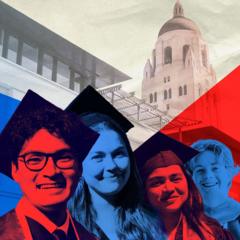
What Stanford Graduates Really Think About Artificial Intelligence
Artificial intelligence Stanford graduates have become increasingly vocal about their perspectives on how AI will reshape professional opportunities and economic landscapes. In recent conversations with the BBC, a diverse group of Stanford University alumni shared their candid assessments of technology's trajectory and its implications for their own career paths and the broader job market.
The Stanford institution has long been recognized as a breeding ground for tech innovation and entrepreneurial ventures. Its proximity to Silicon Valley and reputation for cutting-edge research make it an ideal setting to understand how leading minds perceive the artificial intelligence revolution that continues to unfold across industries.
Optimism and Opportunity Among Top Talent
Many Stanford graduates expressed cautious optimism about artificial intelligence's potential to create new professional avenues and enhance productivity. These alumni, equipped with rigorous analytical training and exposure to emerging technologies during their studies, recognize that AI presents unprecedented opportunities for innovation and problem-solving across sectors ranging from healthcare to finance.
Several graduates highlighted how artificial intelligence could amplify human capabilities rather than simply replace them. They pointed to specific domains where AI tools could handle routine analytical tasks, freeing professionals to focus on strategic thinking, creative work, and interpersonal engagement—skills that remain distinctly human and increasingly valuable.
Legitimate Concerns About Job Displacement
However, not all perspectives were rosy. A significant portion of Stanford graduates acknowledged genuine concerns about artificial intelligence potentially displacing workers in certain industries. These concerns weren't dismissed as unfounded fears but recognized as legitimate questions that society must address thoughtfully.
The discussion revealed that Stanford University students and alumni understand the complexity of technological disruption. Rather than viewing artificial intelligence as inherently good or bad, many expressed nuanced positions recognizing both transformative benefits and real challenges that require policy solutions, educational adaptation, and corporate responsibility.
The Role of Education and Continuous Learning
A recurring theme among Stanford graduates centered on education's critical importance as artificial intelligence reshapes the professional landscape. They emphasized that individuals equipped with skills to work alongside AI systems, understand their limitations, and maintain ethical oversight will remain highly competitive.
Stanford's position as an educational leader becomes even more significant in this context. Graduates stressed that their university's emphasis on interdisciplinary thinking, ethical considerations, and foundational technical knowledge provides advantages in navigating an artificial intelligence-driven future.
Industry-Specific Implications
When discussing specific sectors, Stanford graduates offered varied perspectives on how artificial intelligence will manifest in different fields. In software engineering and data science, they anticipated continued high demand for human experts who can design, refine, and oversee AI systems. In creative industries, while some roles might be disrupted, new opportunities would likely emerge for professionals who could leverage artificial intelligence as a tool rather than compete directly against it.
Healthcare emerged as particularly interesting in conversations among Stanford alumni. The potential for artificial intelligence to improve diagnostic accuracy, accelerate research, and enhance patient outcomes was recognized as largely positive, though requiring careful implementation and human oversight to maintain ethical standards.
Looking Forward: Adaptation and Responsibility
Perhaps most significantly, Stanford graduates consistently stressed the importance of proactive adaptation. Rather than passively watching artificial intelligence reshape their industries, they expressed commitment to continuous learning and skill development. This mindset reflects the problem-solving orientation cultivated at Stanford University and demonstrates why elite institutions and their graduates often thrive during periods of significant technological change.
The consensus among these Stanford alumni wasn't that artificial intelligence represents either utopian opportunity or dystopian threat, but rather a powerful transformation requiring thoughtful engagement. They recognized their privileged position as Stanford graduates and expressed awareness that artificial intelligence's impacts would vary significantly based on education level, industry sector, and geographic location.
Implications for Society and Policy
Several graduates advocated for proactive policy approaches to ensure artificial intelligence development benefits broader society rather than concentrating wealth and opportunity among technological elites. These perspectives suggest that Stanford's most accomplished alumni recognize their responsibility to influence how artificial intelligence is developed and deployed.
The dialogue between Stanford University and society regarding artificial intelligence remains ongoing, with graduates positioned at the center of these crucial conversations. Their insights—balancing optimism with realism, opportunity with responsibility—offer valuable guidance for understanding artificial intelligence's genuine impacts on the future workforce and society as a whole.


