
Burnham Rules Out Snap Election in BBC Interview
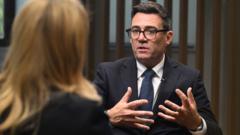
Burnham Dismisses Early Election Speculation
In a significant development regarding future electoral plans, Andy Burnham has categorically ruled out an early general election during an exclusive BBC interview. The political leader's statements about early general election intentions have clarified his position on the timing of the next parliamentary vote, addressing mounting speculation about potential snap polls.
When questioned directly by BBC interviewer Laura Kuenssberg about the possibility of holding an early general election, Burnham emphasized his commitment to the existing electoral timeline. His response underscored a fundamental principle: the public mandate received through the current electoral cycle must be respected and fulfilled according to the agreed schedule.
Commitment to Manifesto Pledges
The prime minister's statement centred on a crucial electoral principle. Burnham articulated that the electorate "voted for a manifesto" and that this commitment would be honoured throughout his tenure. This assertion reflects his intention to deliver on the policy promises that formed the basis of his party's electoral campaign.
Rather than pursuing an early general election, Burnham's focus remains on implementing the substantive policy agenda outlined to voters during the campaign period. This approach suggests a preference for stability and the completion of government work before any subsequent electoral contest occurs.
Political Context and Strategic Direction
The dismissal of early election prospects comes at a critical juncture in the political calendar. By ruling out snap elections, Burnham signals confidence in his government's ability to execute its legislative programme within the standard parliamentary term. This strategy typically allows administrations sufficient time to demonstrate policy achievements and build a record for future electoral contests.
The BBC interview provided a platform for the prime minister to address public concerns about political certainty and economic stability. Early elections can create uncertainty in markets and among businesses, making Burnham's commitment to the standard timeline potentially reassuring to stakeholders across the economy.
The Manifesto as Electoral Foundation
A manifesto represents the contract between a political party and the voting public. By emphasizing that the electorate voted specifically for the stated manifesto, Burnham reinforces the democratic legitimacy of his government's mandate. This framing positions any deviation from manifesto commitments as a breach of electoral trust, effectively binding his administration to its published policy platform.
The emphasis on manifesto fulfilment also sets expectations for his government's legislative priorities. Rather than ad-hoc policy decisions, his statements suggest a methodical approach to implementing the pre-election promises that secured his political mandate.
Laura Kuenssberg Interview Significance
Laura Kuenssberg's role as a prominent BBC political interviewer adds weight to Burnham's statements. Her questioning on the early general election topic indicates this remains a significant concern in political and public discourse. The exclusive nature of the interview suggests Burnham chose this platform to make his position unambiguously clear to both political observers and the broader electorate.
The timing of such an interview typically reflects strategic communications planning, with senior political figures using high-profile media appearances to shape narratives about their leadership and governmental direction.
Looking Forward: Electoral Stability
By categorically ruling out an early general election, Burnham has established a clear expectation-setting framework. This stance allows his government to focus on legislative work without the constant backdrop of electoral uncertainty. For opposition parties, it provides a defined timeframe within which they must prepare their own electoral strategies and policy alternatives.
The ruling out of snap elections also demonstrates confidence in the current parliamentary arithmetic and coalition dynamics, if applicable. Stable government typically requires certainty about when voters will next be asked to render their verdict, and Burnham's statement provides that certainty to all stakeholders in the political process.


