Burnham Allocates £65m for Drought-Stricken Farmers
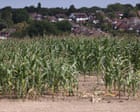
Government Support Package for Drought-Affected Agricultural Sector
Prime Minister Andy Burnham has unveiled a comprehensive £65m financial support initiative targeting drought-stricken farmers across the nation. This substantial investment demonstrates the government's commitment to addressing the agricultural challenges posed by prolonged drought conditions and reinforces the principle that those working the land should not bear the full burden of climate-related crises independently.
Response to Environmental and Political Pressure
The announcement represents a significant shift in the administration's approach to climate policy, following mounting criticism from within Labour's parliamentary ranks and grassroots activists. Members of the party had publicly expressed concern that insufficient attention was being directed toward the escalating climate emergency, particularly as devastating wildfires ravaged regions across Britain and severe drought conditions threatened the nation's food production capabilities.
Labour MPs had vocally challenged the government's timeline and prioritization regarding climate crisis management, asserting that more immediate and decisive action was warranted. This political pressure, combined with environmental advocacy groups urging greater urgency, prompted the prime minister to accelerate his climate response strategy and demonstrate tangible commitment through substantial resource allocation.
Key Components of the £65m Initiative
The funding package encompasses multiple targeted interventions designed to enhance agricultural resilience during periods of water scarcity. A primary focus of the support involves improving water access infrastructure for farming communities, ensuring that essential irrigation and operational requirements can be maintained even during extended dry periods.
Additionally, the government is providing substantial financial backing for the construction and development of farm-based water retention systems. These reservoirs represent critical infrastructure investments that enable farmers to store water during periods of adequate rainfall, creating reserves that can sustain operations during drought phases. Such long-term infrastructure solutions address both immediate crisis needs and build systemic resilience for future climate variability.
Climate Crisis Response Framework
The initiative reflects a broader governmental commitment to integrated climate action that acknowledges agriculture's central role in both environmental sustainability and food security. By supporting drought-stricken farmers through targeted investment, the administration recognizes that agricultural producers require concrete assistance to navigate increasingly volatile climatic conditions.
The timing of this announcement underscores the urgency with which policymakers are treating environmental challenges. With wildfires causing significant damage and drought conditions imposing severe constraints on farming operations, the government's intervention signals recognition that market forces alone cannot adequately address climate-related agricultural impacts.
Long-term Agricultural Sustainability
Beyond immediate relief, the funding structure emphasizes sustainable adaptation strategies that will benefit farming communities over extended periods. Investment in water management infrastructure provides lasting solutions that enhance productivity and resilience without creating dependency on perpetual government subsidies.
The support mechanism also reflects evolving policy thinking regarding climate adaptation versus mitigation. While both approaches remain essential, this intervention prioritizes helping existing agricultural producers adapt to changing environmental conditions, recognizing that their continued viability is essential for national food security and rural economic stability.
Political and Social Implications
The announcement addresses not only the immediate needs of drought-stricken farmers but also broader political concerns about governmental responsiveness to climate challenges. By moving decisively on this issue, the prime minister has responded to internal party criticism and demonstrated that environmental concerns are being elevated within policy priorities.
This development also reflects the growing intersection between climate policy and agricultural support, suggesting that future government initiatives will increasingly integrate environmental objectives with rural economic development. The £65m commitment serves as a concrete example of how climate-focused governance can translate into direct support for affected communities and industries.