
British Pilot Survives as Firefighting Helicopters Collide in Greece
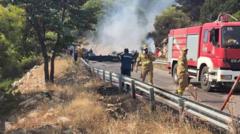
Tragic Collision Claims Lives of Two Firefighting Crew Members
A devastating incident involving firefighting helicopters collision Greece has resulted in the deaths of two crew members during an emergency aerial operation. The crash claimed the lives of one Danish national and one Greek national who were operating the aircraft in support of wildfire management efforts across the region.
Survivors of the Helicopter Accident
Despite the severity of the firefighting helicopters collision Greece, two crew members managed to survive the impact. Among those who escaped the disaster was a British pilot whose quick actions and training helped ensure his survival. Additionally, another Greek crew member was able to recover from the incident, bringing the total number of survivors to two personnel aboard the aircraft involved in the emergency response operation.
Details of the Aerial Incident
The helicopter accident Greece occurred during what was intended to be a coordinated firefighting mission. The collision involved two rotorcraft that were engaged in wildfire suppression activities, demonstrating the inherent risks associated with aerial firefighting operations. These types of missions require precise coordination between multiple aircraft operating in challenging atmospheric conditions and often in close proximity to one another.
Emergency Response and Investigation
Following the British pilot helicopter crash, emergency response teams were immediately deployed to the scene to provide assistance and conduct rescue operations. The incident has prompted authorities to initiate a comprehensive investigation into the circumstances surrounding the Greek crew helicopter disaster. Investigators will examine factors including weather conditions, communication protocols, pilot training records, and aircraft maintenance logs to determine the exact cause of the collision.
Operational Challenges in Aerial Firefighting
Firefighting operations utilizing helicopter assets represent some of the most dangerous aerial activities conducted globally. Pilots operating in these roles face numerous challenges including reduced visibility from smoke, unpredictable wind patterns, difficult terrain, and the necessity for multiple aircraft to operate in shared airspace simultaneously. The tragic incident underscores the vulnerability of personnel engaged in these critical emergency services, where split-second decisions and precise coordination between crews are essential for mission success and personnel safety.
Impact on Regional Firefighting Operations
The loss of two experienced crew members and the temporary removal of aircraft from service will likely impact the region's capacity to respond to active wildfires. Greece faces significant challenges during fire season, particularly given the Mediterranean climate and increasing temperatures that have contributed to larger and more frequent wildfire incidents in recent years. The incident will undoubtedly affect operational procedures and safety protocols for future aerial firefighting missions throughout the country.
Tributes and Investigation Continuation
The deaths of the Danish and Greek nationals represent a significant loss to the international emergency services community. Both individuals were dedicated professionals who participated in hazardous work to protect lives and property. The investigation into this aerial incident firefighting tragedy will continue as authorities work to prevent similar occurrences in the future and honor the sacrifice of those who lost their lives.


