Blair Urges UK EU Membership Push Within Decade
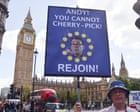
Former PM Advocates EU Membership Push Within Next Decade
Tony Blair has intensified calls for Britain to pursue EU membership within the next ten years, marking a significant escalation in efforts to reshape the nation's relationship with the European Union. The former prime minister's statement comes amid mounting political pressure on Labour's senior figures to reconsider their cautious approach toward the 2016 referendum outcome.
Blair's position on EU membership reflects growing momentum among political figures who believe the country should actively work toward restoring ties with Brussels. His intervention has specifically targeted party leadership, encouraging them to place European integration back into the national conversation a full decade after the British electorate voted to leave the bloc.
Pressure Mounting on Labour Leadership
Andy Burnham faces intensifying scrutiny from within his own political sphere regarding Labour's reluctant stance on revisiting European Union questions. Recent polling data indicates that voters could respond positively to a platform embracing the prospect of rejoining the EU, suggesting electoral opportunities for the Labour Party should it shift its current position on this contentious issue.
The political landscape surrounding EU membership has evolved considerably since the initial referendum. Blair's public advocacy represents an attempt to build momentum toward a policy reversal, leveraging both public sentiment and internal party pressure to encourage a fundamental reassessment of Britain's European strategy.
Strategic November Plan Discussion
Blair has specifically urged Burnham to incorporate EU membership considerations into his comprehensive ten-year development strategy scheduled for November. This proposal would formally reintroduce the question of British participation in the European Union to mainstream political debate, marking a departure from the post-2016 consensus that avoided reopening the divisive question.
The timing of this intervention suggests a calculated effort to influence Labour's policy framework before major announcements. By positioning EU membership within a longer-term strategic vision spanning a decade, Blair's approach frames rejoining as a gradual, planned process rather than an immediate reversal of Brexit outcomes.
Electoral Implications and Public Opinion
Recent polling evidence demonstrates potential electoral advantages for any political party willing to campaign on EU membership restoration. The British electorate's views have demonstrated notable shifts since the original 2016 referendum, with changing demographics and evolving perspectives on international relations creating new political possibilities.
Blair's intervention taps into this changing landscape, suggesting that the electoral calculus surrounding EU membership has transformed fundamentally. His willingness to publicly advocate for this position despite ongoing sensitivity around Brexit indicates confidence that public opinion has moved sufficiently to justify political action on this previously taboo subject.
Broader Context of Brexit Re-evaluation
The discussion around Britain's potential EU membership reflects wider conversations about the long-term consequences of the 2016 referendum decision. Ten years after the initial vote to leave, reassessing the relationship between Britain and the European Union appears to be entering mainstream political discourse once more.
Blair's statement exemplifies how Brexit-related questions continue to shape British politics, even years after the formal departure occurred. Rather than representing a final resolution, the referendum outcome now appears to be evolving into a longer-term negotiation about Britain's optimal positioning within the international system.
Future Political Direction
The pressure on Labour leadership to address EU membership questions directly reflects broader shifts in how political parties calculate electoral advantage. As public opinion continues evolving on European integration, political figures must decide whether maintaining distance from the issue or engaging directly with it offers superior strategic positioning.
Blair's advocacy demonstrates that senior political figures remain convinced that Britain's relationship with the EU merits renewed examination. His call for a decade-long pathway toward potential membership represents a specific, temporal framework for this transformation, offering clarity about the proposed timeline while acknowledging the complexity of any potential reversal.