
BBC Correspondent Reports from Tehran as Iran Mourns Former Supreme Leader
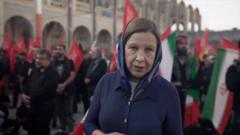
BBC Coverage from Tehran During Historic Funeral Ceremonies
The BBC's chief international correspondent Lyse Doucet has reported extensively from Tehran as the nation observes funeral rites honoring Iran's former supreme leader. The Tehran funeral events mark a significant moment in the country's political landscape, drawing international attention to the proceedings and their implications for Iran's future leadership structure.
Doucet's on-the-ground reporting from Tehran provides crucial insights into how this significant moment is unfolding across the nation. Her coverage captures the emotional atmosphere surrounding the death of Ayatollah Ali Khamenei, one of the most influential figures in modern Iranian history and a leader who shaped the nation's political direction for decades.
Understanding the Political Significance
The funeral ceremonies in Tehran represent far more than a ceremonial farewell. These events carry substantial weight in Iran's political framework, as they coincide with questions about succession and the future direction of the Islamic Republic. The gathering of political figures, religious leaders, and citizens provides a window into the current state of Iranian politics.
Ayatollah Ali Khamenei's role as supreme leader made him the highest-ranking political and religious authority in Iran. His passing creates a pivotal moment for the nation, with implications that extend beyond Iran's borders to affect regional stability and international relations. The Tehran funeral brings together diverse segments of Iranian society, each viewing this moment through their own political lens.
Emotional Dimensions of the Mourning Period
Beyond the political calculations, the funeral events in Tehran reflect genuine emotional responses from the Iranian population. Doucet's reporting emphasizes how personal grief intersects with political consciousness among those gathered to pay respects. The atmosphere combines traditional religious observances with contemporary political messaging.
The BBC correspondent's perspective highlights the complexity of mourning a leader whose legacy remains contested both domestically and internationally. For many Iranians, Ayatollah Ali Khamenei represented stability and religious guidance, while others viewed his tenure through a more critical lens. These divergent perspectives all converge during the Tehran funeral ceremonies.
International Observation and Reporting
Western media outlets, including the BBC, have positioned correspondents in Tehran to cover these developments comprehensively. Lyse Doucet's presence as chief international correspondent underscores the global significance attributed to Iran's leadership transition. Her reporting aims to decode the symbolism, rhetoric, and implications of the funeral proceedings.
The Tehran funeral coverage serves as a crucial source of information for international audiences seeking to understand Iran's internal dynamics. Such reporting helps contextualize the religious, cultural, and political dimensions of events that might otherwise remain opaque to outside observers. The BBC's commitment to on-site coverage reflects journalism standards that prioritize direct observation and expert analysis.
Implications for Iran's Political Future
The funeral events mark the beginning of a transition period within Iran's leadership structure. While Ayatollah Ali Khamenei's death creates immediate ceremonial obligations, it also triggers processes for determining succession and confirming the continuity of Iran's political system. The Tehran funeral serves as the public stage where this transition begins.
Questions surrounding leadership succession, institutional stability, and policy direction all emerge from these events. Doucet's reporting from Tehran captures not only the ceremonial aspects but also the underlying political currents that will shape Iran's trajectory in the coming months and years. Her analysis helps international audiences grasp the stakes involved in this moment of national significance.
Coverage as Historical Documentation
The BBC correspondent's reporting from Tehran during these funeral ceremonies constitutes important historical documentation. Such coverage creates a contemporaneous record of how Iranians responded to their leader's passing and how the nation's political establishment managed this transition. Future analysts will reference these accounts when examining this pivotal period in Iranian history.
Lyse Doucet's experience as a seasoned international correspondent brings credibility and depth to her Tehran funeral coverage. Her ability to contextualize events within broader historical and political frameworks helps audiences understand not just what is happening, but why it matters. This analytical layer distinguishes professional journalism from mere event reporting.


