BBC Confronts Major Funding Crisis in Latest Annual Report
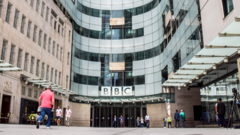
BBC Addresses Critical Challenges Through Annual Report Findings
The British Broadcasting Corporation has presented a comprehensive analysis of its current operational difficulties in its latest annual report, intensifying calls for a fundamental restructuring of the BBC funding model. This significant assessment highlights the mounting pressures facing Britain's most prominent public service broadcaster and underscores the urgency of implementing alternative financial solutions.
According to media editor Katie Razzall, the corporation is essentially launching an urgent appeal for policymakers and stakeholders to consider innovative approaches to sustaining public broadcasting. The BBC funding model, traditionally dependent on viewer contributions through the television licence fee, now faces unprecedented scrutiny and demands for comprehensive reform.
The Pressing Need for Alternative Financial Frameworks
The annual report reveals that the existing licence fee structure, which has served as the BBC's financial backbone for decades, requires substantial modernization. The BBC funding model has come under increasing pressure due to changing consumption patterns, technological advancement, and demographic shifts in how audiences access content.
The corporation's assessment suggests that maintaining the current system without significant modifications could jeopardize the organization's ability to deliver quality programming and fulfill its public service remit. This predicament has prompted senior management to advocate vigorously for exploring alternative revenue streams and financing mechanisms that could provide greater stability and flexibility.
Understanding the Current Financial Framework
The traditional BBC funding model relies on mandatory television licence fees paid by UK households. However, this approach faces considerable challenges in the contemporary media landscape. The report documents declining licence fee revenues relative to operational costs, creating a substantial funding gap that threatens programming quality and innovation capacity.
Younger audiences increasingly consume content through streaming platforms and digital channels, reducing their reliance on traditional television and consequently their motivation to maintain licence fee payments. This demographic shift represents one of the most significant threats to the BBC funding model as currently constructed.
Proposed Solutions and Reform Considerations
The corporation's leadership has outlined several potential alternatives to the current BBC funding model. These proposals include hybrid funding approaches combining public investment with commercial revenue generation, subscription-based services for premium content, and advertising-supported programming tiers.
Each proposed alternative presents distinct advantages and challenges. Hybrid models might generate additional revenue while maintaining public service values. Subscription platforms could appeal to younger demographics willing to pay for content quality. Commercial funding could provide greater flexibility in content production decisions.
Stakeholder Responses and Political Dimensions
The BBC's urgent appeal for BBC funding model reform has resonated across political and media circles. Government officials, media commentators, and industry experts recognize that the corporation's challenges reflect broader transformations in global media consumption and financing.
Policymakers now face mounting pressure to develop sustainable solutions that preserve the BBC's public service mission while acknowledging market realities. The stakes involve not only the corporation's operational viability but also Britain's broader media ecosystem and cultural institutions.
Impact on Content Production and Quality
Budget constraints resulting from the inadequacy of the current BBC funding model have already affected content production decisions. The corporation has implemented cost-cutting measures affecting programming variety, production standards, and creative ambition. These limitations have prompted concerns among audiences and industry professionals about declining quality and innovation.
Addressing the BBC funding model crisis represents an opportunity to strengthen rather than diminish public broadcasting. Adequate sustainable financing could enable expanded content creation, support for independent producers, and enhanced technological infrastructure development.
Moving Forward: Future Directions
The annual report serves as a catalyst for urgent policy discussions regarding long-term sustainability of public broadcasting in the United Kingdom. The BBC funding model discussion extends beyond institutional survival, encompassing fundamental questions about media plurality, cultural value, and democratic discourse in modern society.
As deliberations progress, stakeholders must balance financial sustainability with preservation of public service values. The outcome of these discussions will significantly influence not only the BBC's future trajectory but also the broader landscape of British media and cultural institutions for decades to come.