
Aldi's Strategic Expansion in US Markets with Budget-Friendly $4 Almond Butter
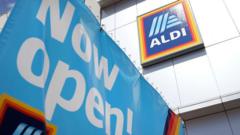
Aldi's Bold Entry Into the American Supermarket Landscape
Aldi's US expansion strategy represents one of the most significant retail transformations in recent American commerce, as the German discount supermarket invests approximately $9 billion to establish dominance in key metropolitan regions. The company's aggressive market penetration through competitive pricing on everyday essentials, exemplified by their $4 almond butter offering, challenges established competitors and reshapes consumer expectations about value shopping across the nation.
The discount supermarket giant has strategically prioritized urban centers, with Manhattan and surrounding metropolitan areas serving as flagship markets for their expansion initiative. This concentrated approach allows Aldi to build strong brand recognition and customer loyalty in densely populated zones where purchasing power and health consciousness drive demand for quality products at reduced prices.
The Competitive Advantage of Aldi's Pricing Model
Aldi's ability to maintain aggressive pricing while sustaining profitability stems from an operational model fundamentally different from traditional American supermarket chains. By limiting product selection compared to conventional grocery stores, Aldi reduces operational complexity and procurement costs. This streamlined approach enables the company to offer premium items, including organic and specialty products like their notably affordable almond butter, at price points significantly below Walmart and other national competitors.
The $4 almond butter exemplifies this strategy—a product that typically commands premium pricing at mainstream retailers becomes accessible through Aldi's efficient supply chain and vendor relationships. This pricing power directly appeals to health-conscious urban consumers who seek nutritious options without premium price tags.
Market Competition and Consumer Response
Walmart's dominance in the American grocery sector faces unprecedented pressure as Aldi's US expansion strategy gains momentum. While Walmart maintains advantages in scale and geographic coverage, Aldi's focused urban positioning and reputation for quality create distinct competitive dynamics. Urban shoppers increasingly prioritize convenience and value simultaneously—a combination Aldi delivers more effectively than traditional discount retailers through thoughtfully curated product assortments.
The German discount supermarket's expansion reflects broader consumer trends toward sustainability, organic products, and transparent sourcing. Aldi's private label emphasis allows the company to maintain price competitiveness while offering products meeting these evolving consumer preferences. Manhattan's affluent but value-conscious demographics represent ideal customers for this positioning.
Strategic Expansion and Future Growth Projections
Aldi's $9 billion investment in US market development signals confidence in sustained growth potential across multiple urban markets beyond Manhattan. The company plans to expand into additional metropolitan centers, leveraging the success of early-stage markets to refine operational processes and vendor relationships. This phased expansion strategy minimizes financial risk while building organizational expertise in American retail dynamics.
Real estate acquisition in premium urban locations constitutes a significant portion of this capital investment. Aldi recognizes that prime positioning in Manhattan, Brooklyn, Washington DC, and other major cities justifies premium lease costs through higher customer traffic and sales density compared to suburban locations.
Operational Innovations Supporting Growth
Technology implementation and supply chain optimization enable Aldi to maintain competitive advantages despite higher urban real estate costs. The discount supermarket invests in distribution infrastructure capable of serving multiple urban locations efficiently, reducing per-unit logistics expenses. Advanced inventory management systems allow rapid response to local demand variations and seasonal product preferences.
Aldi's approach to staffing and labor management differs significantly from conventional American supermarket operations, contributing to cost advantages without compromising service quality. Streamlined store layouts and simplified checkout processes enhance customer experience while reducing labor requirements per transaction.
The Sustainability Factor in Urban Retail
Environmental consciousness increasingly influences purchasing decisions among urban consumers, particularly in Manhattan and similar metropolitan areas. Aldi's private label strategy and vendor relationships emphasize sustainable sourcing and reduced packaging waste. The company's commitment to these principles, demonstrated through product selection and supply chain practices, resonates strongly with demographically younger, education-focused populations concentrated in urban centers.
Market Outlook and Long-Term Implications
Aldi's US expansion strategy fundamentally challenges assumptions about grocery retail profitability and market structure in America. The discount supermarket's success would validate a business model that prioritizes operational efficiency and customer value over product variety and store amenities. Traditional competitors face pressure to adapt pricing strategies and operational models to remain competitive with increasingly sophisticated discount retailers.
The outcome of Aldi's multibillion-dollar investment will shape American grocery retail for decades, potentially catalyzing industry-wide shifts toward more efficient operations and value-focused retail experiences. For consumers, particularly those in urban markets, this competition promises continued downward pressure on prices and upward pressure on product quality—positive outcomes regardless of which retailers ultimately capture market share.


