
Al Carns Dismisses Leadership Challenge Against Burnham's Labour
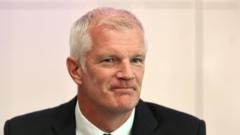
Al Carns Eliminates Leadership Challenge Possibility
In a significant development for the Labour Party, Al Carns has formally declared that he will not mount a leadership challenge against Keir Burnham. The decision comes at a critical juncture for the party, potentially reshaping the internal political landscape and consolidating Burnham's position as the uncontested leader within Labour's hierarchy.
Carns's public statement regarding the leadership bid reflects a pragmatic approach to party unity. He emphasized that pursuing a contest would represent a misallocation of Labour's resources and energy during a period when the party must focus on broader strategic objectives. This announcement effectively removes one of the most credible potential challengers from the equation.
The Case for Party Unity and Forward Momentum
During his remarks, Carns stressed the importance of moving forward collectively, suggesting that internal divisions would prove counterproductive at this juncture. His assertion that "we need to get on board" with Burnham indicates a willingness to subordinate personal political ambitions to the greater good of the party's cohesion and electoral prospects.
The decision carries particular weight given Carns's standing within Labour circles. As someone with sufficient credibility and support to mount a credible challenge, his withdrawal from leadership considerations sends a clear message about the party's readiness to unite behind Burnham's vision and direction.
Implications for Labour's Strategic Direction
This development streamlines Labour's internal political structure by eliminating the uncertainty that would accompany a contested leadership election. Such contests typically consume considerable organizational resources, distract from policy development, and potentially damage party morale through divisive campaigning.
By stepping aside, Carns has effectively acknowledged that the party's immediate priorities supersede the pursuit of alternative leadership arrangements. This approach prioritizes continuity and focuses attention on preparing for upcoming challenges and electoral opportunities that demand unified effort and coordinated messaging.
Burnham's Consolidated Leadership Position
With Al Carns ruling out a leadership bid, Keir Burnham now operates from a position of substantially greater political security. The removal of a potential rival from contention strengthens his authority within the party apparatus and provides him with the stability necessary to implement his strategic vision without constant scrutiny regarding his tenure's longevity.
Burnham's position within Labour has evolved considerably, and this latest development reinforces his standing as the undisputed leader capable of steering the party through contemporary challenges. The absence of credible internal opposition allows for more focused attention on external political competition and policy formulation.
Broader Context of Labour Leadership Dynamics
The Labour Party has experienced considerable transformation in recent years, with leadership changes reflecting evolving party priorities and membership preferences. Carns's decision to forgo a leadership challenge represents a maturation in internal party dynamics, where members recognize the value of stability over constant internal shuffling.
This choice demonstrates that senior figures within Labour understand the electoral and organizational costs of perpetual leadership contests. The party has learned from historical experiences where internal divisions undermined electoral performance and damaged public perception.
Moving Forward: Labour's Focus
With the leadership question effectively settled, Labour can now concentrate its efforts on policy development, grassroots organization, and public communication. The elimination of a potential internal contest frees substantial energy and resources for these essential functions.
Carns's pragmatic decision underscores a recognition that party unity, once achieved, should be preserved through focused commitment to shared objectives. His willingness to subordinate personal ambitions to party interests may well be remembered as a moment of statesmanship that enabled Labour to function more effectively during a critical period of political repositioning and electoral preparation.


