
33 British Nationals Missing After Flash Floods Strike Nepal
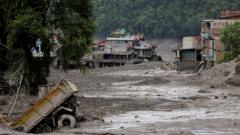
Devastating Flash Floods Strike Nepal's Rasuaw Region
A catastrophic series of flash floods and mudslides has struck Nepal's Rasuaw region, creating one of the country's most serious weather-related disasters in recent years. Authorities have confirmed that at least 33 UK nationals are currently unaccounted for following the disaster, while preliminary reports indicate that flash floods and associated mudslides have claimed the lives of approximately 95 people across the affected areas.
Nepali police officials released statements early Wednesday morning confirming the scale of the disaster. The flash floods occurred during the morning hours, catching residents and visitors alike off guard. The combination of intense rainfall and geological conditions in the mountainous terrain created perfect conditions for both water surge and massive mudslide events that swept through populated areas with devastating force.
Search and Rescue Operations Underway
Emergency response teams have mobilized across the Rasuaw region in response to the flash floods situation. Authorities are working around the clock to locate the 33 missing British nationals, deploying search parties equipped with specialized rescue equipment. The challenging terrain and ongoing weather conditions have complicated rescue efforts, as additional rainfall threatens to trigger further mudslides in already unstable areas.
International coordination has begun, with British diplomatic officials liaising with Nepali authorities to identify the missing UK citizens and provide support to their families. Initial lists of the missing have been compiled, and verification processes are ongoing as rescue teams continue their systematic search of affected zones.
The Impact of the Disaster
The flash floods have caused widespread destruction across multiple communities in the Rasuaw region. Homes have been swept away, infrastructure damaged, and agricultural areas devastated by the combined force of water and debris. The 95 confirmed fatalities represent a tragic toll on the local population, with many more individuals reported injured and requiring medical attention.
Local hospitals have been overwhelmed with casualties, and medical supplies are being brought in from surrounding regions. Many survivors are suffering from injuries ranging from minor cuts and bruises to serious trauma requiring intensive care.
Challenges in the Affected Areas
The mountainous geography of the Rasuaw region has presented significant obstacles to rescue and relief operations. Access roads have been compromised or completely destroyed by the flash floods and mudslides, making it difficult for emergency vehicles to reach isolated communities. Communication lines have also been disrupted, hampering coordination efforts between rescue teams and local authorities.
Residents in neighboring areas remain on high alert, as meteorological forecasts continue to predict unstable weather conditions. The risk of additional mudslides remains elevated, particularly in areas where soil has been destabilized by the initial disaster.
International Response and Support
The British Foreign Office has activated emergency protocols to assist the 33 missing nationals. Officials are working with international humanitarian organizations to provide additional resources and expertise to the rescue operation. Several countries have offered technical assistance and humanitarian aid to support Nepal's response efforts.
The Nepali government has declared a state of emergency in the affected regions, enabling rapid deployment of resources and expedited decision-making processes. Military units have been mobilized to supplement civilian rescue teams, bringing heavy equipment and personnel capable of operating in difficult terrain.
Looking Ahead
As search operations continue, the focus remains on locating survivors and providing immediate humanitarian assistance to those affected. The disaster serves as a stark reminder of the vulnerability of mountainous regions to extreme weather events and the importance of preparedness and early warning systems.
Officials have pledged to conduct thorough investigations once the immediate crisis subsides, examining both the natural factors that contributed to the disaster and any gaps in warning or evacuation procedures. The lessons learned from this tragedy will inform future disaster preparedness strategies in Nepal.


