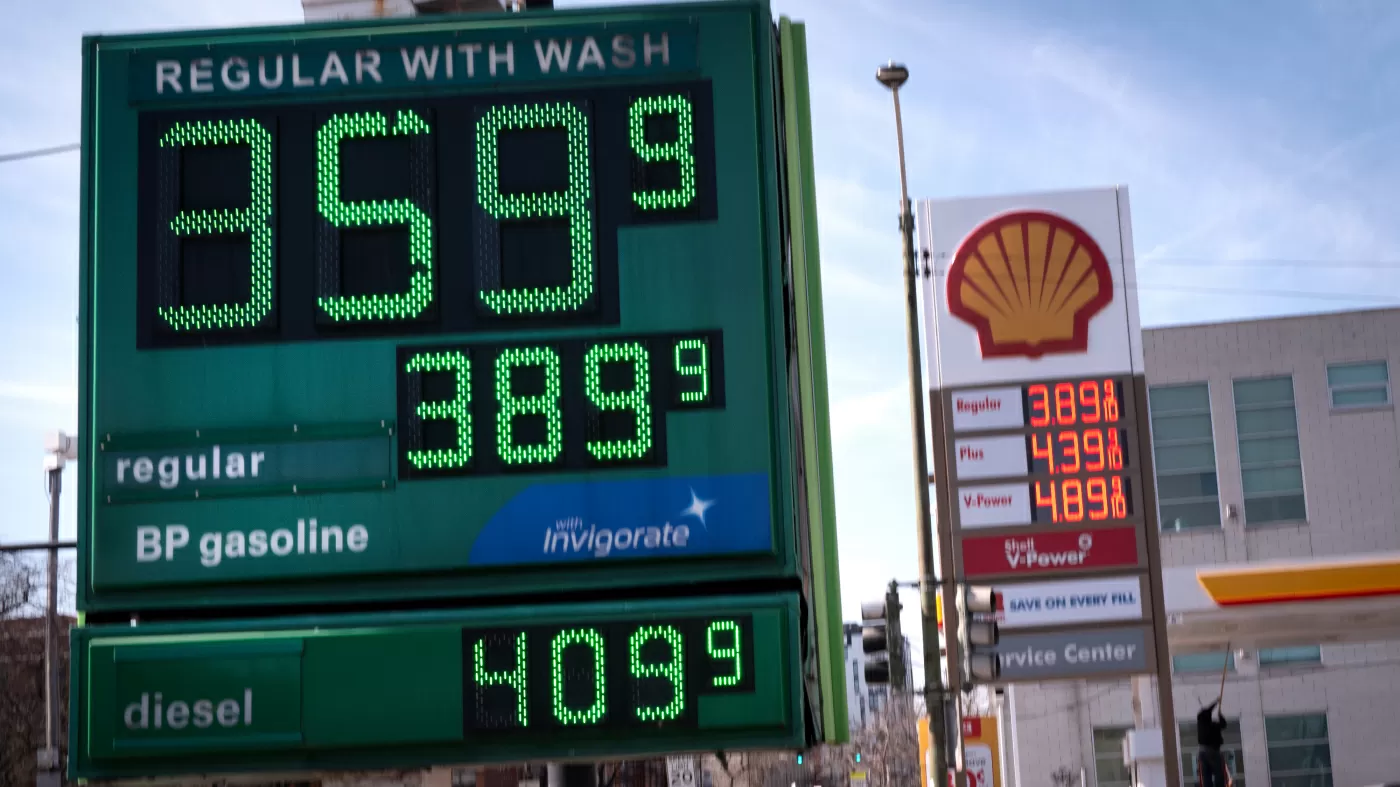
The recent U.S.-Israel strikes on Iran have caused a surge in oil prices, resulting in increased costs for consumers at the pump. The global benchmark Brent Crude oil price has risen to about $77 per barrel as of Monday afternoon, up from $71 just a week ago and $66 per barrel a month ago. This sharp increase in oil prices has raised concerns among consumers about the impact it will have on their wallets.
The U.S.-Israel strikes on Iran have caused a ripple effect in the global oil market. The tension between the United States and Iran has been escalating in recent months, with the U.S. pulling out of the Iran nuclear deal and imposing sanctions on the country. The recent strikes have only added to the uncertainty and volatility in the market.
As a result, the price of oil has been on a steady rise, and experts predict that it will continue to increase in the coming weeks. This means that consumers can expect to see a rise in the cost of gasoline at the pump. The increase in oil prices will also have an impact on other industries, such as transportation and manufacturing, which rely heavily on oil as a source of energy.
The rise in oil prices is a cause for concern for many consumers, as it directly affects their daily lives. The cost of transportation will increase, making it more expensive for people to commute to work or go on road trips. The cost of goods and services will also rise as businesses try to offset the increase in their operating costs.
However, it is important to note that the surge in oil prices is not entirely negative. The U.S.-Israel strikes on Iran have caused a disruption in the oil market, but it is also a sign of a strong global economy. As the demand for oil continues to grow, the price of oil will naturally increase. This is a positive indicator for the global economy, as it shows that there is a high demand for oil, which is a key component of economic growth.
Moreover, the rise in oil prices is also beneficial for oil-producing countries, such as the United States. The increase in oil prices means higher revenues for these countries, which can then be used for investments in infrastructure and other development projects. This can have a positive impact on the overall economy, creating more jobs and boosting economic growth.
In addition, the surge in oil prices can also have a positive impact on the renewable energy sector. As the cost of traditional forms of energy, such as oil, increases, it becomes more attractive for businesses and consumers to invest in alternative sources of energy. This can lead to a shift towards cleaner and more sustainable energy sources, which is crucial for the future of our planet.
It is understandable that consumers may be worried about the rise in oil prices and its impact on their wallets. However, it is important to remember that this is a temporary situation and that the market will eventually stabilize. The U.S.-Israel strikes on Iran may have caused a surge in oil prices, but it is a reflection of a strong global economy and a sign of progress.
In conclusion, the recent U.S.-Israel strikes on Iran have caused a surge in oil prices, which is expected to result in increased costs for consumers at the pump. While this may be a cause for concern, it is also an indicator of a strong global economy and a sign of progress. The rise in oil prices may have a short-term impact, but in the long run, it can have positive effects on the economy and the environment. Let us remain optimistic and trust that the market will eventually stabilize.