A federal judge has made a significant ruling this week in favor of conservation groups, granting them a partial win in their fight to protect salmon populations. The decision comes after the Trump administration abruptly pulled out of a salmon restoration agreement last year, causing concern among environmentalists and wildlife advocates.
The ruling was made by Obama-appointed Judge Michael J. Simon, who issued a preliminary injunction ordering the federal government to take certain actions requested by the groups. While the judge did not grant all of the changes requested, his decision is being seen as a step in the right direction for the conservation efforts of these groups.
The dispute began when the Trump administration withdrew from a 2016 agreement between the federal government, four Northwest states, and the Nez Perce Tribe. The agreement aimed to improve conditions for salmon populations in the Columbia and Snake rivers, which have been on the decline for years due to a combination of factors such as dams, climate change, and overfishing.
Conservation groups argued that the withdrawal from the agreement was a violation of the Endangered Species Act, which requires the government to protect and restore endangered species and their habitats. They also raised concerns about the potential impact on salmon populations and the delicate ecosystem of the rivers.
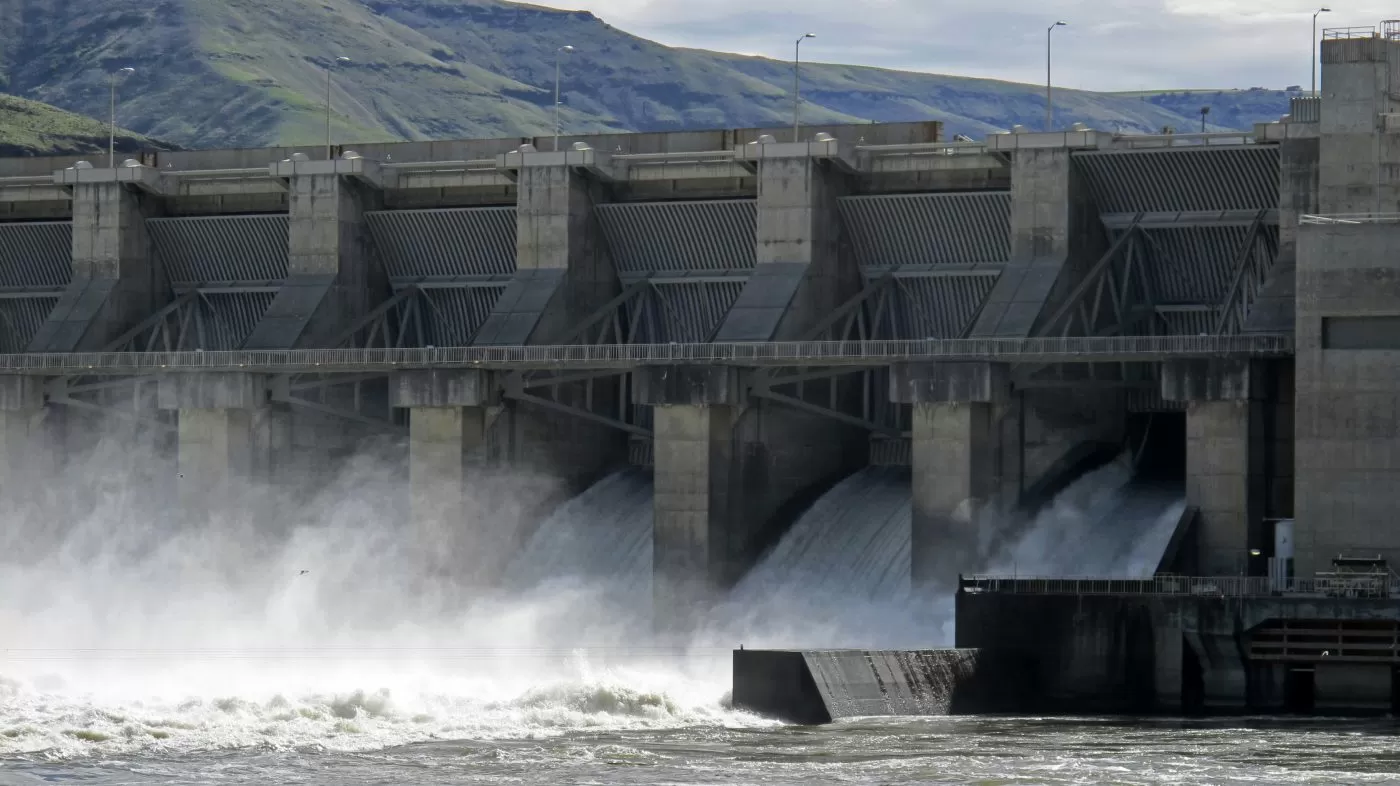
In his ruling, Judge Simon acknowledged the potential harm to salmon populations and the importance of the species to the ecosystem. He ordered the federal government to take certain actions, including increasing spill over the dams to help young salmon migrate downstream, conducting a study on the effects of climate change on salmon, and providing a report on the status of salmon populations in the region.
While the judge did not grant all of the changes requested by the conservation groups, his decision is being hailed as a victory for their cause. It sends a clear message that the government cannot simply back out of agreements and ignore their responsibilities to protect endangered species.
The ruling also highlights the role of the judiciary in safeguarding our environment and holding the government accountable for its actions. It is a reminder that the checks and balances of our democracy are crucial in protecting our natural resources for future generations.
The decision has been met with praise from conservation groups, who see it as a positive step towards ensuring the survival of salmon populations in the region. They hope that this ruling will lead to further actions being taken to protect and restore the delicate balance of the Columbia and Snake rivers.
Despite this victory, the fight to protect salmon populations is far from over. The ruling only addresses the immediate concerns raised by the conservation groups, and there is still much work to be done to ensure the long-term sustainability of these species.
As we move towards a more sustainable future, it is important for the government and all stakeholders to work together to find solutions that balance the needs of both humans and the environment. Salmon are not just a source of food and income for communities in the Northwest, but they also play a crucial role in the ecosystem of the rivers and the Pacific Northwest region as a whole.
In the face of climate change and other threats, it is imperative that we take action to protect and restore salmon populations. This ruling serves as a reminder that we must all do our part to protect our natural resources and the diverse species that call them home.
In conclusion, the partial win granted by Judge Simon to conservation groups is a positive step towards protecting salmon populations in the Columbia and Snake rivers. It is a reminder that the government has a responsibility to protect endangered species and their habitats, and that the judiciary plays a crucial role in holding them accountable. Let us hope that this ruling will lead to further actions being taken to ensure the long-term survival of these vital species.