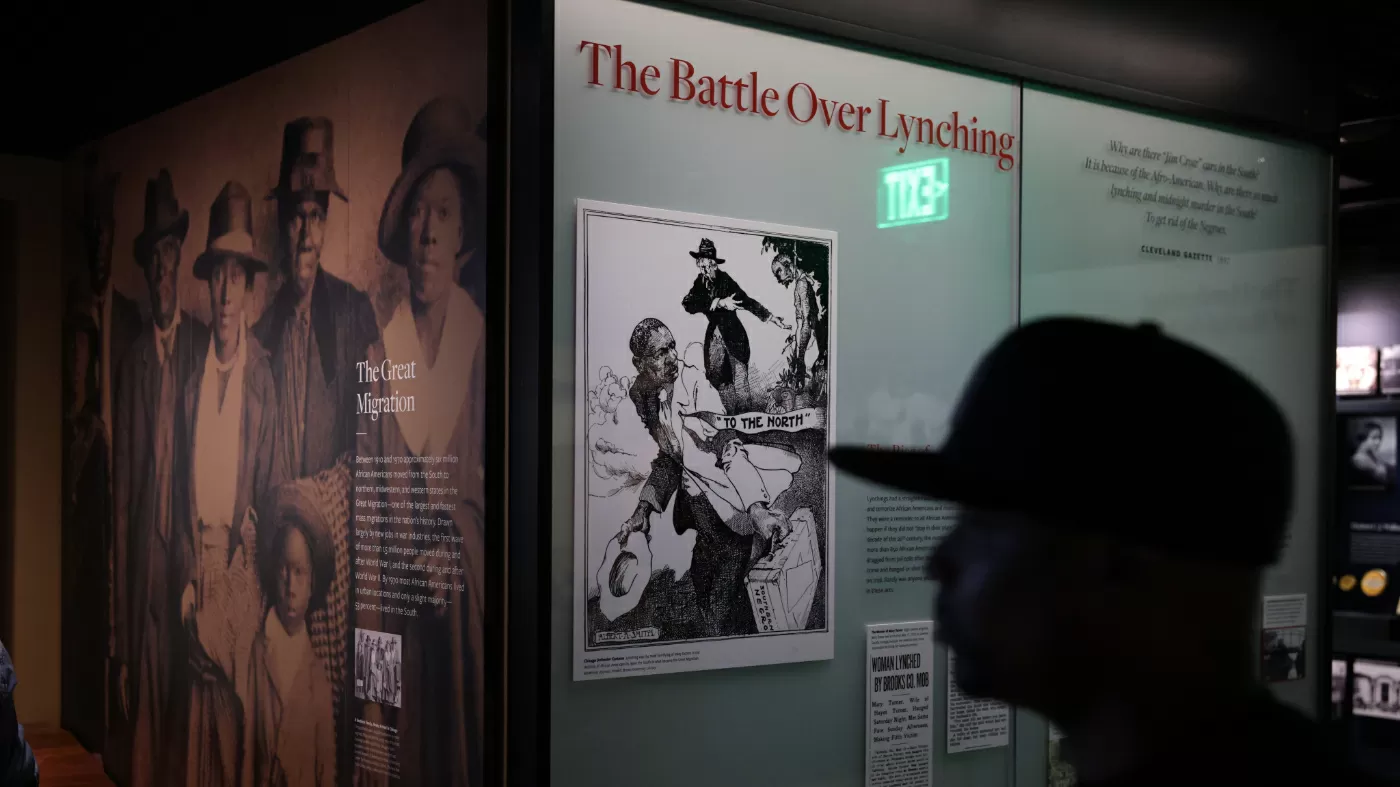
The Trump administration has recently come under fire for its proposed changes to how Black history is presented at park sites and museums under its influence. President Trump, who has his sights set on the nation’s 250th birthday this summer, believes that historical sites are focusing too much on the issue of slavery instead of highlighting the success of the country. However, critics have accused the administration of whitewashing history and neglecting the important role that slavery played in shaping America.
This controversy has sparked a heated debate about the representation of Black history in our national parks and museums. On one side, there are those who believe that the focus on slavery is necessary to acknowledge the injustices and struggles faced by African Americans throughout history. On the other hand, there are those who argue that the emphasis on slavery perpetuates a negative narrative and fails to recognize the significant contributions of Black individuals to the success of our nation.
In light of this debate, the Trump administration has proposed changes to how Black history is presented at park sites and museums under its influence. These changes include highlighting the achievements and successes of Black Americans, in addition to acknowledging the dark history of slavery. This shift in focus aims to present a more balanced and positive narrative of Black history in America.
The administration’s decision to reframe the presentation of Black history has been met with mixed reactions. While some applaud the effort to recognize the accomplishments of Black individuals, others are concerned that it may diminish the significance of the struggles and injustices faced by the community. However, it is important to note that this change does not mean erasing or downplaying the impact of slavery on American history. Instead, it seeks to provide a more comprehensive and accurate representation of the Black experience.
Moreover, the Trump administration’s decision to make these changes is not without merit. As we approach the nation’s 250th birthday, it is essential to celebrate the progress and achievements that have been made, especially in regards to race relations. The United States has come a long way since the days of slavery, and it is important to recognize and honor the individuals who have contributed to this progress.
Furthermore, the proposed changes align with the administration’s efforts to promote unity and patriotism. By highlighting the success of Black Americans, the administration hopes to foster a sense of national pride and unity among all Americans. This is particularly important in a time when our country is facing deep divisions and social unrest.
However, it is crucial to acknowledge that there is still a long way to go in terms of racial equality and justice. The history of slavery and its lasting effects cannot be ignored or erased. It is essential to continue to educate ourselves and future generations about this dark chapter in our history and work towards creating a more equitable and just society.
In conclusion, the Trump administration’s proposed changes to how Black history is presented at park sites and museums reflect a desire to present a more balanced and positive narrative. While there are valid concerns about the potential erasure of the struggles faced by Black Americans, it is important to recognize the progress and achievements that have been made. As we celebrate the nation’s 250th birthday, it is crucial to acknowledge the contributions of all individuals, regardless of their race, and work towards a more united and inclusive future.