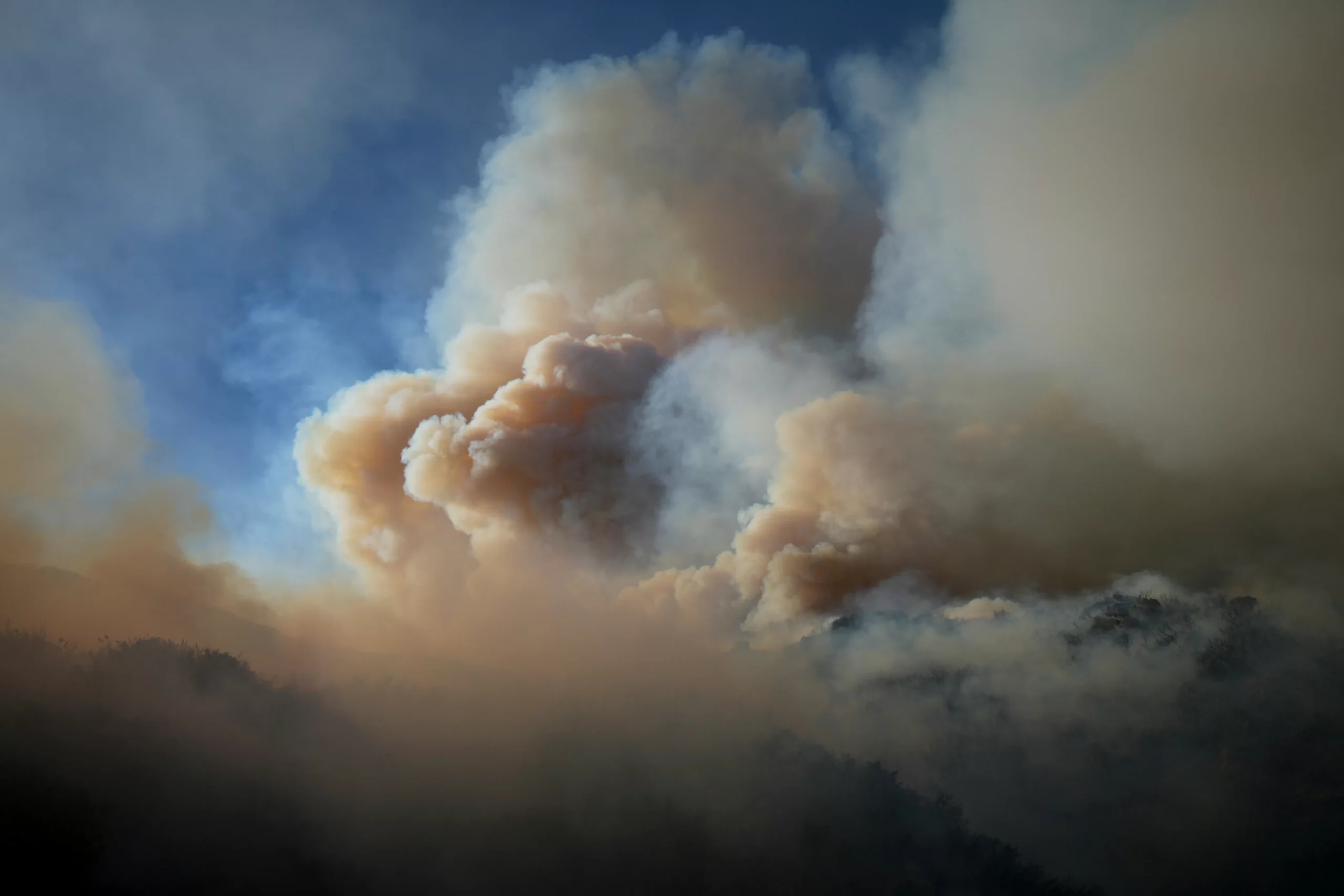
Wildfires have been a part of the natural cycle for centuries, but in recent years they have become more frequent and intense due to climate change. As these fires rage across the United States, they not only cause destruction to homes and landscapes, but also pose a serious threat to human health. According to a new study published in the journal Science Advances, chronic exposure to pollution from wildfires has been linked to tens of thousands of deaths annually in the United States.
The study, which looked at data from 2006 to 2020, found that long-term exposure to tiny particulates from wildfire smoke contributed to an average of 24,100 deaths each year. This is a staggering number that cannot be ignored. The researchers used satellite data and computer models to estimate the amount of fine particulate matter (PM2.5) in the air, which is known to be harmful to human health. They then compared this data with mortality rates in different regions of the country.
The results of the study are alarming, as they show that the impact of wildfires goes beyond the immediate danger of the flames. The smoke produced by these fires contains a mix of harmful pollutants, including carbon monoxide, nitrogen oxides, and volatile organic compounds. These pollutants can travel long distances and have a significant impact on air quality, even in areas far from the actual fire.
The study found that the majority of deaths caused by chronic exposure to wildfire smoke occurred in California, Oregon, and Washington, where large and devastating fires have become a regular occurrence in recent years. However, the effects of these fires are not limited to the West Coast. The researchers also found significant impacts in the Midwest and Southeast regions of the country, where smoke from wildfires in other parts of the country can travel and affect air quality.
The findings of this study highlight the urgent need for action to address the growing threat of wildfires and their impact on human health. Climate change is a major contributing factor to the increase in wildfires, and it is essential that we take steps to reduce our carbon footprint and mitigate its effects. We must also invest in better fire management practices, such as controlled burns, to prevent wildfires from becoming uncontrollable.
In addition to these measures, it is crucial that we take steps to protect ourselves from the harmful effects of wildfire smoke. This includes staying indoors and using air purifiers to filter the air, especially for those living in areas affected by wildfires. It is also important to listen to local authorities and follow evacuation orders when necessary to avoid exposure to dangerous levels of smoke.
The study also highlights the need for further research into the long-term health effects of exposure to wildfire smoke. While the immediate impacts of smoke inhalation are well-documented, the long-term effects on respiratory and cardiovascular health are still not fully understood. This is an area that requires more attention and funding to fully understand the impact of wildfires on human health.
In conclusion, the findings of this study are a wake-up call to the serious threat that wildfires pose to human health. The number of deaths linked to chronic exposure to wildfire smoke is staggering and demands immediate action. We must all take responsibility for reducing our carbon footprint and advocating for better fire management practices to protect ourselves and future generations from the devastating effects of wildfires. It is time to take action and work towards a healthier and safer future for all.