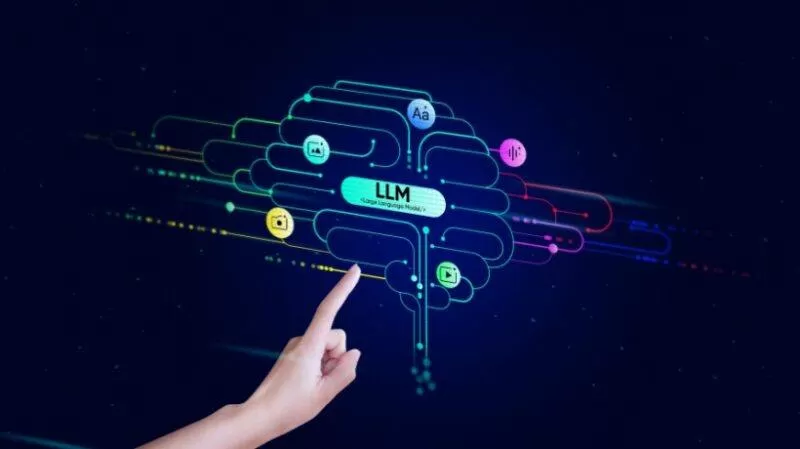
AI, or artificial intelligence, is a rapidly growing field that has captured the attention of the world. From self-driving cars to virtual assistants, AI is transforming the way we live and work. But with all its advancements and potential, one thing remains clear: AI is complex. And as humans, we are complicated. The relationship between the two is still a work in progress.
The concept of AI has been around for decades, but it is only in recent years that it has gained significant traction. With the rise of big data and advancements in computing power, AI has made significant strides in various industries, including education. It has the potential to revolutionize the way we learn, making education more personalized and efficient.
But as AI continues to evolve, it is also facing challenges. One of the biggest hurdles is the complexity of the technology itself. AI systems are built using complex algorithms and require massive amounts of data to function effectively. This means that developing and maintaining AI systems is a time-consuming and expensive process. It also requires a highly skilled workforce to design, implement, and manage these systems.
On the other hand, humans are complicated beings. We are emotional, unpredictable, and constantly evolving. Our thoughts, feelings, and actions cannot be reduced to a set of algorithms. This makes it challenging for AI to understand and interact with us in the same way that humans do. While AI can process vast amounts of data and perform tasks with incredible speed and accuracy, it lacks the emotional intelligence and creativity that humans possess.
The relationship between AI and humans is still in its early stages. As AI continues to advance, it is becoming more integrated into our daily lives. We interact with AI systems every day, from virtual assistants on our phones to chatbots on websites. These interactions are becoming more natural and seamless, but there is still a long way to go.
One of the main concerns surrounding AI is the fear of job displacement. As AI systems become more sophisticated, there is a fear that they will replace human workers, leading to mass unemployment. While it is true that AI has the potential to automate certain tasks, it also has the potential to create new job opportunities. As AI systems become more prevalent, the demand for skilled workers to design, implement, and manage these systems will also increase.
Another challenge is the ethical implications of AI. As AI systems become more advanced, they will make decisions that can have a significant impact on our lives. It is crucial to ensure that these decisions are fair, unbiased, and in line with our values as a society. This requires careful consideration and regulation of AI systems.
Despite these challenges, the relationship between AI and humans is a symbiotic one. AI has the potential to enhance our lives in many ways, from improving healthcare to making our daily tasks more efficient. But it is essential to remember that AI is a tool, and it is up to us to use it responsibly and ethically.
In the field of education, AI is already making a significant impact. It has the potential to personalize learning, making it more engaging and effective for students. AI-powered learning platforms can analyze student data and provide personalized recommendations for their learning journey. This can help students learn at their own pace and in a way that suits their individual needs.
AI can also assist teachers in their daily tasks, such as grading assignments and providing feedback. This can free up teachers’ time, allowing them to focus on more meaningful tasks, such as developing personalized lesson plans and building relationships with their students.
But perhaps the most significant potential of AI in education is its ability to bridge the gap between traditional and online learning. With the rise of online education, there is a fear that it will replace traditional classroom learning. However, AI can help create a hybrid learning experience that combines the best of both worlds. AI-powered virtual classrooms can provide a more interactive and engaging learning experience for students, while also allowing for personalized instruction from teachers.
In conclusion, the relationship between AI and humans is a complex one, but it is also full of potential. As AI continues to evolve, it is crucial to remember that it is a tool that can enhance our lives, but it is not a replacement for human intelligence and creativity. As we navigate this relationship, it is essential to use AI responsibly and ethically, ensuring that it benefits society as a whole. With the right approach, AI has the potential to transform education and many other industries for the better.