The world of interior design is constantly evolving, with new trends and styles emerging every day. However, amidst all the modern and contemporary designs, there is still a place for classical design principles. These principles have stood the test of time and continue to inspire and influence designers all over the world. One such designer who has mastered the art of working with classical design principles is Woldon, and in this post, we will take a closer look at the story behind his work.
Woldon is a renowned interior designer, known for his impeccable taste and attention to detail. His designs are a perfect blend of classical and modern elements, creating a timeless and elegant look. But what sets him apart from other designers is his deep understanding and use of classical design principles.
Classical design principles are rooted in the ancient Greek and Roman civilizations, where symmetry, proportion, and balance were highly valued. These principles have been passed down through the centuries and continue to be the foundation of many design styles, including neoclassical, Georgian, and Victorian.
Woldon’s journey with classical design principles began during his early years as a designer. He was always drawn to the grandeur and sophistication of classical architecture and interiors. He spent countless hours studying and analyzing the works of renowned architects and designers, such as Andrea Palladio, Robert Adam, and Jacques-Louis David.
But it wasn’t until he started working with a mentor who specialized in classical design that Woldon truly understood the importance of these principles. His mentor taught him that classical design is not just about replicating the past, but rather understanding the underlying principles and adapting them to modern spaces.
Woldon’s first project where he applied classical design principles was a grand mansion in the countryside. The client wanted a luxurious and timeless look, and Woldon knew that classical design was the perfect fit. He started by creating a symmetrical floor plan, with a grand entrance hall leading to the main living areas. He then incorporated classical elements such as columns, arches, and moldings to add depth and character to the space.
One of the most challenging aspects of working with classical design principles is achieving the perfect balance. Woldon believes that every element in a space should have a purpose and should work together harmoniously. He carefully selects every piece of furniture, lighting, and accessories to create a cohesive and balanced look.
Another important aspect of classical design is proportion. Woldon pays great attention to the scale and proportion of each element in a room. He believes that the right proportions can make a space feel more inviting and comfortable.
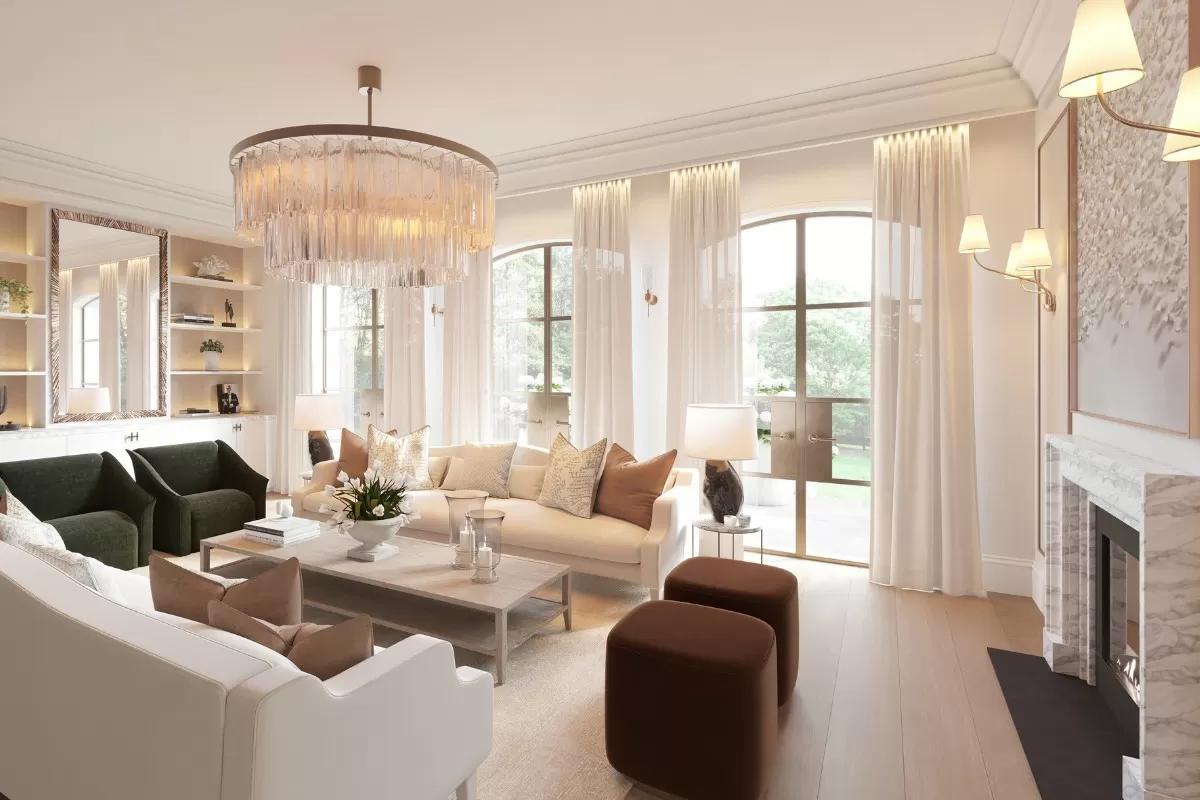
One of Woldon’s most iconic projects is a penthouse apartment in the heart of London. The client wanted a modern and luxurious space, but Woldon knew that incorporating classical design principles would elevate the design to a whole new level. He used a neutral color palette, with pops of color and texture to add interest. The furniture and lighting were carefully selected to create a sense of balance and proportion, while classical elements such as a grand chandelier and ornate moldings added a touch of elegance.
Woldon’s work has been featured in numerous design magazines and has garnered him a loyal following of clients who appreciate his unique approach to classical design. He continues to push the boundaries and experiment with new ways of incorporating classical elements into modern spaces.
In conclusion, Woldon’s story is a testament to the enduring influence of classical design principles in the world of interior design. His work showcases the timeless beauty and elegance of these principles and serves as an inspiration to designers and homeowners alike. As Woldon himself says, “Classical design is not just a style, it’s a way of life.” And we couldn’t agree more.