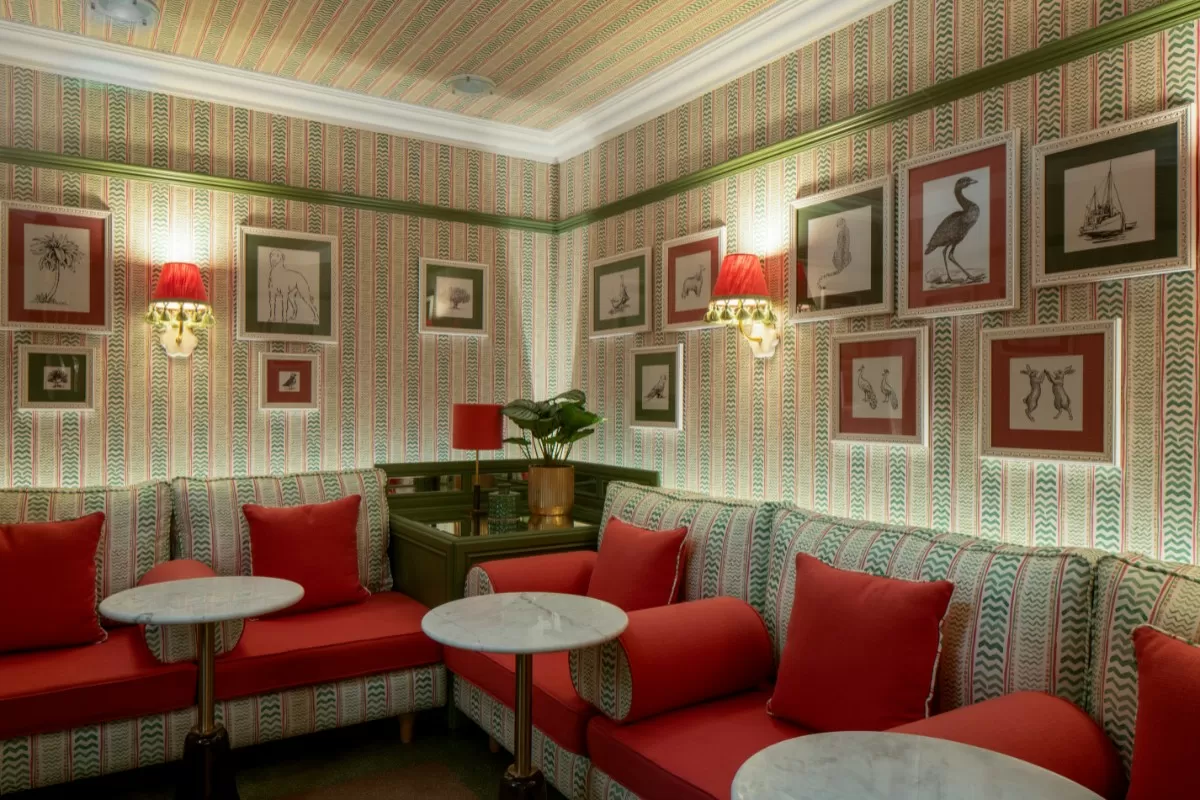
The modern care home has come a long way from its traditional image of sterile, hospital-like facilities. With the rise of bespoke design, these spaces are now being redefined as warm, inviting and personalized environments that cater to the needs and preferences of their residents. This shift towards bespoke design is not only transforming the physical appearance of care homes, but also the overall experience for both residents and staff.
Bespoke design is a term that refers to the creation of custom-made, one-of-a-kind designs that are tailored to the specific needs and desires of the client. In the context of care homes, this means creating living spaces that are not only functional and practical, but also aesthetically pleasing and comfortable. This approach to design is gaining popularity in the care home industry, as it recognizes the importance of creating a home-like environment for residents, rather than a clinical one.
One of the key benefits of bespoke design in care homes is the ability to create a sense of familiarity and personalization for residents. By involving them in the design process and incorporating their personal preferences, care homes can create a space that feels like home. This can have a significant impact on the mental and emotional well-being of residents, especially those with dementia or other cognitive impairments. Studies have shown that personalized environments can reduce agitation and improve overall mood and behavior in residents.
Moreover, bespoke design also takes into consideration the specific needs of residents, such as accessibility and safety. Care homes are now being designed with features like handrails, non-slip flooring, and wider doorways to accommodate residents with mobility issues. This not only ensures their safety but also promotes independence and a sense of dignity.
In addition to improving the quality of life for residents, bespoke design also has a positive impact on the staff working in care homes. By creating a more comfortable and efficient working environment, staff can provide better care to residents. This can lead to higher job satisfaction and lower turnover rates, which ultimately benefits the residents as well.
Another aspect of bespoke design that is gaining traction in the care home industry is the use of technology. With the rise of smart home technology, care homes are now incorporating features like voice-activated lighting and temperature control, as well as remote monitoring systems. These technologies not only make life easier for residents but also provide peace of mind for their families and caregivers.
Furthermore, bespoke design also allows for the integration of nature and natural elements into care homes. This can have a calming and therapeutic effect on residents, as well as provide opportunities for outdoor activities and socialization. Care homes are now incorporating features like gardens, courtyards, and outdoor seating areas to create a more holistic and enriching living experience for residents.
The Society of British & International Interior Design (SBID) has been at the forefront of promoting bespoke design in care homes. Through their annual International Design Awards, they have recognized and celebrated the innovative and creative use of bespoke design in care homes around the world. This has not only raised awareness about the importance of personalized and functional design in care homes but also inspired designers to push the boundaries and create truly exceptional living spaces for residents.
In conclusion, bespoke design is redefining the modern care home by creating personalized, functional, and aesthetically pleasing living spaces for residents. This approach to design not only improves the quality of life for residents but also has a positive impact on the staff and the overall atmosphere of care homes. As the demand for high-quality care homes continues to rise, it is crucial for the industry to embrace bespoke design and prioritize the well-being and comfort of its residents.