In the aftermath of the tragic events of 9/11, universities across the United States were faced with the challenge of balancing the need for security with the preservation of civil liberties. In response, a network was established for intelligence sharing between universities and law enforcement agencies, with the goal of preventing future terrorist attacks. However, recent revelations have shown that this network has been used to surveil and target students who are peacefully protesting against genocide.
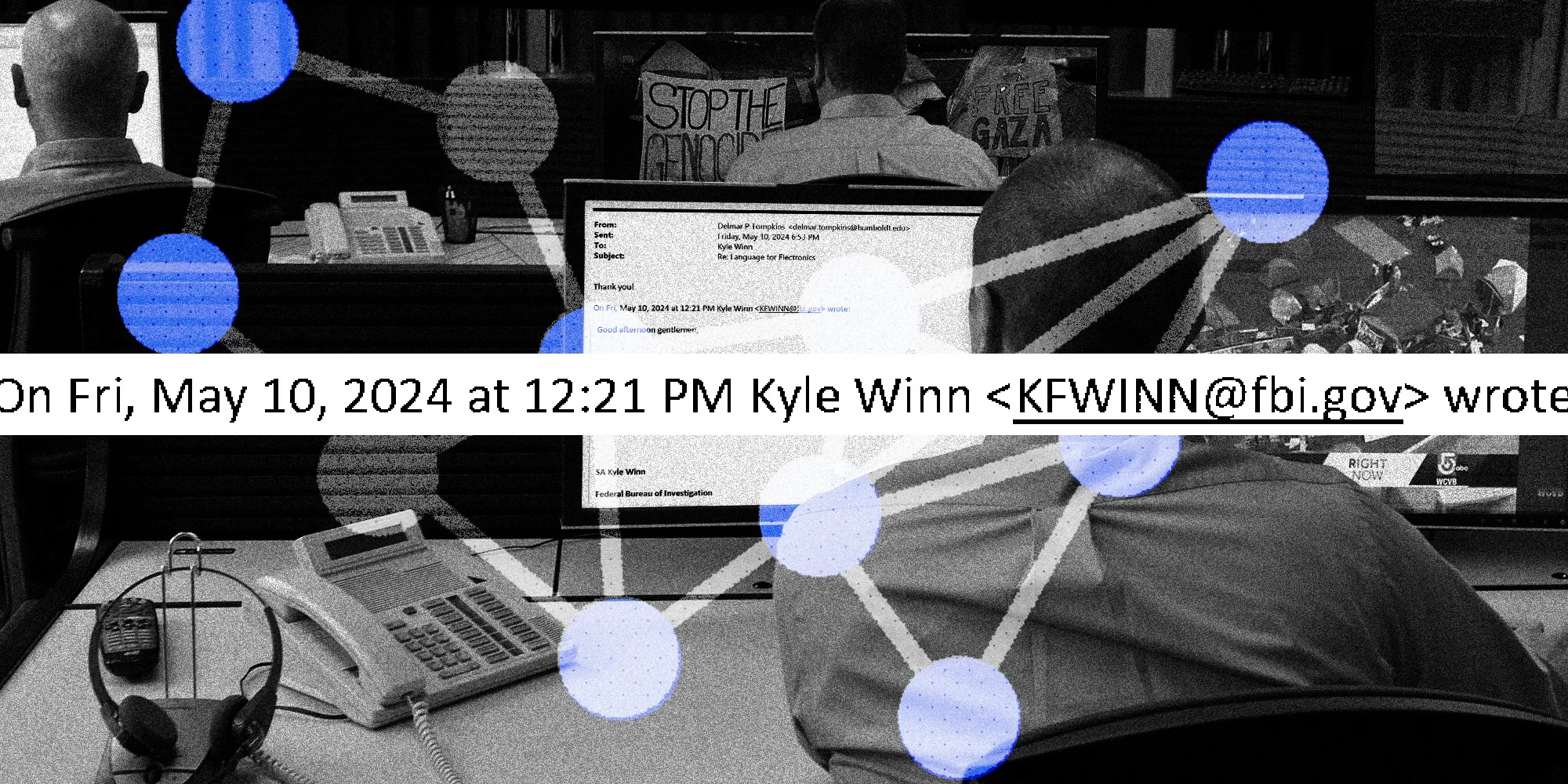
Internal university communications have revealed how this network, originally intended for counterterrorism efforts, has been turned against students advocating for Palestinian rights. The Intercept has uncovered evidence of how universities have used these intelligence-sharing hubs to monitor and track pro-Palestine students, raising serious concerns about the violation of their rights and the misuse of this network.
The post on The Intercept, titled “How Universities Used Counterterror Intelligence-Sharing Hubs to Surveil Pro-Palestine Students,” sheds light on the disturbing reality of how universities have been complicit in the surveillance of their own students. The article highlights how this network, known as the “Fusion Center,” was created in the aftermath of 9/11 to facilitate the sharing of information between universities and law enforcement agencies. However, instead of focusing on potential terrorist threats, it has been used to target students who are exercising their right to peaceful protest.
The Intercept’s investigation has revealed that universities have been sharing information about student activities with law enforcement agencies, including the Department of Homeland Security and the FBI. This information includes details about student organizations, events, and even social media posts. This level of surveillance is not only a violation of students’ privacy but also raises concerns about the chilling effect it may have on their freedom of speech and expression.
The article highlights several instances where this network has been used to target pro-Palestine students. In one case, a student was questioned by the FBI after attending a pro-Palestine event on campus. In another, a student’s social media posts were shared with law enforcement agencies, leading to her being questioned by the Department of Homeland Security. These incidents are just a few examples of how this network has been used to intimidate and silence students who are peacefully advocating for Palestinian rights.
The use of this intelligence-sharing network to target students protesting against genocide is not only a violation of their rights but also goes against the values of academic freedom and free speech that universities are supposed to uphold. Universities should be a safe space for students to engage in critical thinking and express their opinions without fear of being monitored or targeted by law enforcement agencies.
The Intercept’s investigation has sparked outrage and calls for accountability from students, civil rights organizations, and academic institutions. Students have expressed their concerns about being unfairly targeted and surveilled for exercising their right to protest. Civil rights organizations have condemned the misuse of this network and called for transparency and oversight to prevent further violations of students’ rights. Academic institutions have also been urged to review their involvement in this network and ensure that it is not being used to target students.
In response to these revelations, universities have released statements denying any wrongdoing and claiming that their involvement in this network is solely for the purpose of ensuring campus safety. However, the evidence presented by The Intercept suggests otherwise. It is clear that this network has been used to target students based on their political beliefs, rather than any legitimate security concerns.
In conclusion, the use of counterterror intelligence-sharing hubs to surveil pro-Palestine students is a concerning and unacceptable violation of their rights. Universities must take immediate action to address this issue and ensure that their involvement in this network does not compromise the rights and freedoms of their students. It is crucial for academic institutions to uphold their values of academic freedom and free speech and not allow them to be undermined by the misuse of this network. Students have the right to peacefully protest and advocate for causes they believe in without fear of being targeted and surveilled. It is time for universities to prioritize the protection of their students’ rights and put an end to this unjust surveillance.