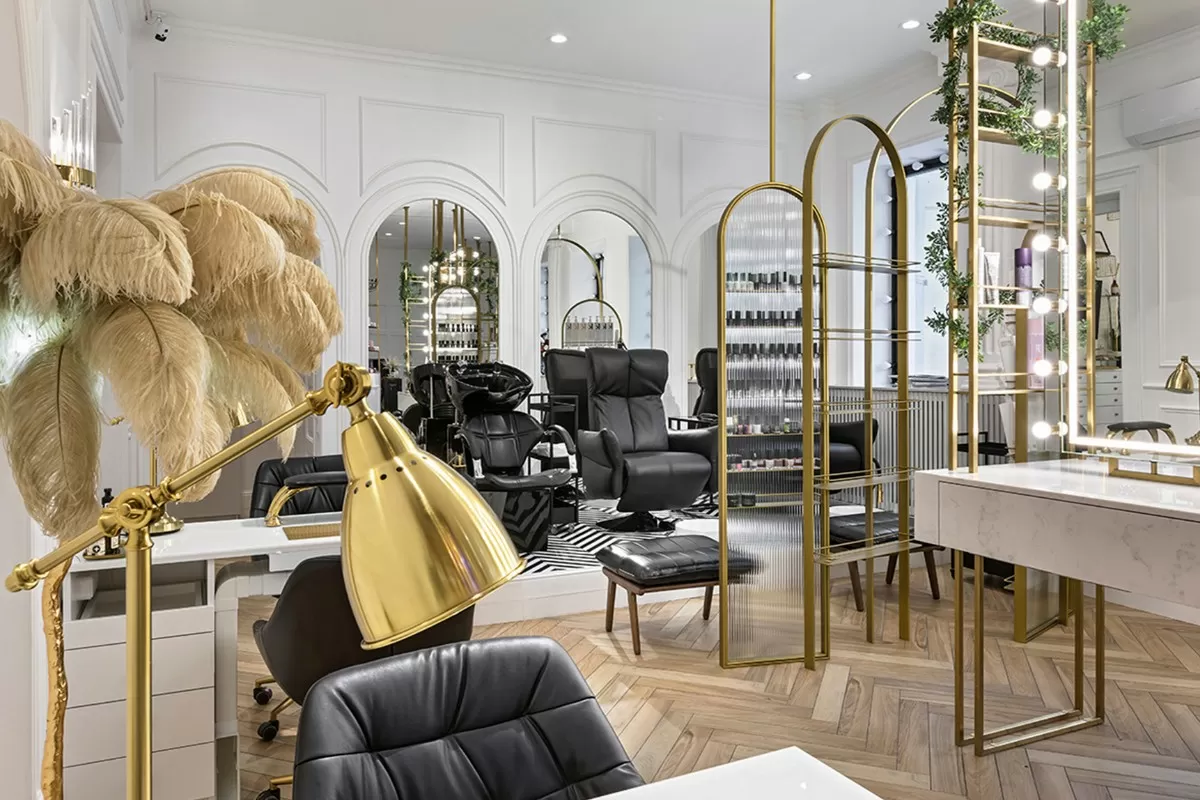
The Silent Manipulator: How Interior Design Controls the Human Mind
Interior design is often seen as a way to create a beautiful and functional space. However, what many people fail to realize is that it also has a powerful influence on our minds. From the colors on the walls to the placement of furniture, every aspect of interior design has the ability to control our thoughts and emotions. In this article, we will explore the fascinating world of interior design and how it silently manipulates our minds.
The Power of Colors
Colors have a profound impact on our emotions and behavior. They have the ability to evoke certain feelings and can even affect our physical well-being. Interior designers are well aware of this and use it to their advantage. For example, warm colors like red and orange can create a sense of energy and excitement, while cool colors like blue and green can have a calming effect. This is why you often see these colors used in different spaces, such as restaurants, hospitals, and offices.
In addition to evoking emotions, colors can also influence our perception of space. Dark colors tend to make a room feel smaller, while light colors can make it feel more spacious. This is why interior designers use a combination of colors to create the desired effect in a room. For example, a small living room can be made to feel larger by using light-colored walls and furniture, while a large bedroom can feel more cozy with the use of darker tones.
The Psychology of Layout
The way furniture is arranged in a room can also have a significant impact on our thoughts and behavior. For instance, a cluttered and disorganized space can make us feel stressed and overwhelmed, while a well-organized and open space can promote a sense of calm and relaxation. This is why interior designers pay close attention to the layout of a room, ensuring that it not only looks aesthetically pleasing but also serves its intended purpose.
Moreover, the placement of furniture can also influence our social interactions. A seating arrangement that encourages face-to-face conversation can promote a sense of intimacy and connection, while a layout that promotes individual seating can create a more formal and distant atmosphere. This is why you will often find different seating arrangements in different settings, such as a cozy living room versus a formal conference room.
The Role of Lighting
Lighting is another crucial element of interior design that can greatly impact our mood and behavior. Natural light has been proven to have a positive effect on our mental and physical well-being. It can boost our energy levels, improve our mood, and even enhance our productivity. On the other hand, artificial lighting can have the opposite effect. Harsh fluorescent lights can cause eye strain and headaches, while warm and dim lighting can create a cozy and relaxing atmosphere.
Interior designers carefully consider the lighting in a space and use a combination of natural and artificial light to create the desired effect. For example, in a home office, they may use a combination of natural light and task lighting to promote productivity, while in a bedroom, they may use soft and warm lighting to create a sense of relaxation.
The Subtle Influence of Texture
Texture is often an overlooked aspect of interior design, but it can have a significant impact on our perception of a space. Smooth and shiny surfaces can create a sense of luxury and elegance, while rough and textured surfaces can evoke a more rustic and natural feel. This is why interior designers use a variety of textures to add depth and interest to a room.
Moreover, the texture of furniture and decor can also influence our emotions. Soft and plush textures can create a sense of comfort and coziness, while hard and sleek textures can promote a more formal and sophisticated atmosphere. By carefully selecting and combining different textures, interior designers can create a space that not only looks visually appealing but also has a subtle influence on our minds.
In conclusion, interior design is much more than just creating a visually appealing space. It has the power to control our thoughts and emotions, whether we are aware of it or not. From the colors on the walls to the placement of furniture, every aspect of interior design is carefully thought out to create a specific atmosphere and evoke certain emotions. So the next time you step into a beautifully designed space, take a moment to appreciate the silent manipulator that is interior design.