Police tactics during protests have been a hot topic in recent months, with many cities across the United States experiencing widespread demonstrations against police brutality and systemic racism. As these protests continue, it’s important to understand the tactics that law enforcement may use and how to stay safe while exercising your right to protest.
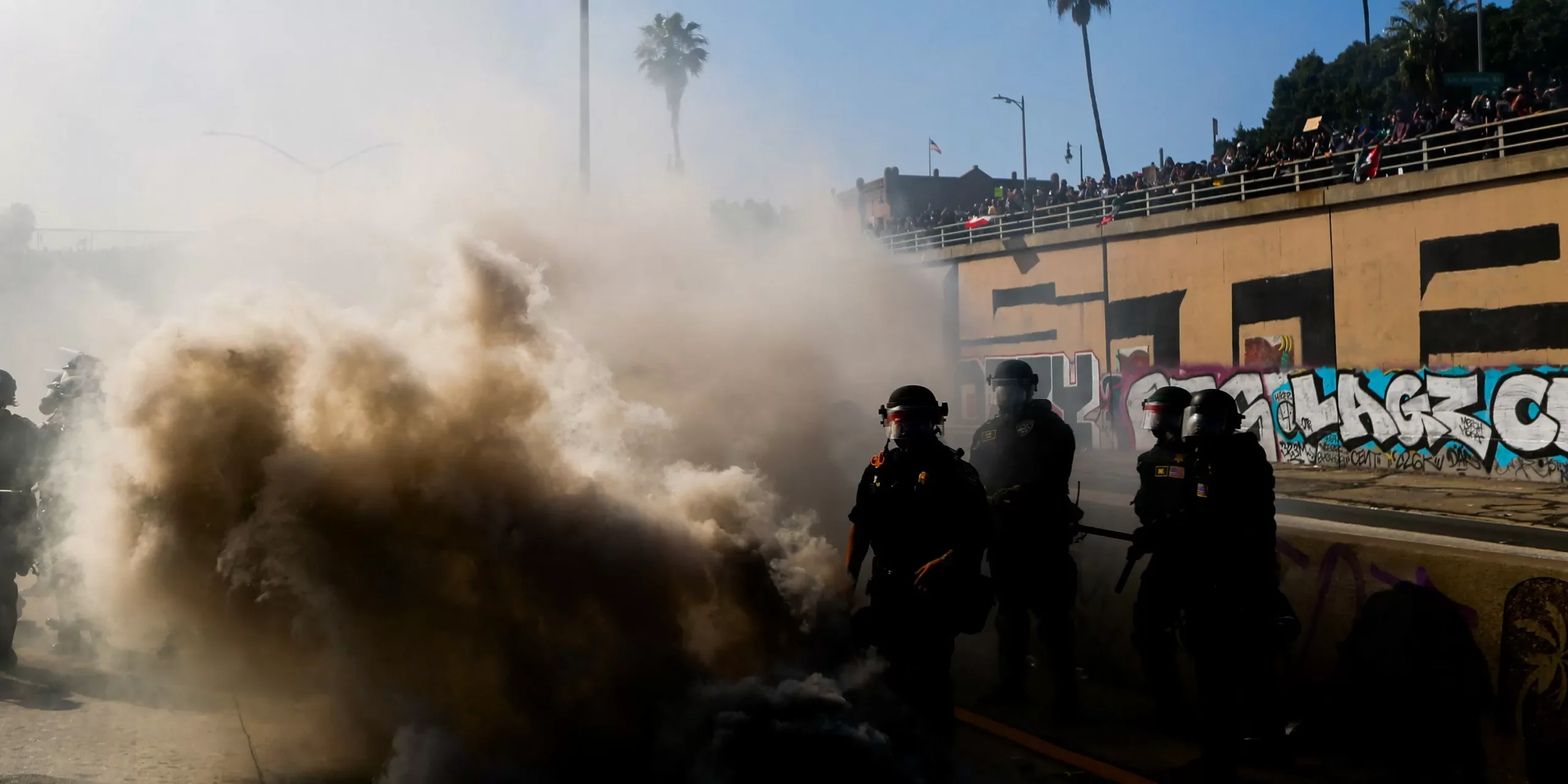
One of the most controversial tactics used by police during protests is the use of tear gas and rubber bullets. Tear gas, also known as CS gas, is a chemical agent that causes severe irritation to the eyes, nose, and throat, making it difficult to breathe. Rubber bullets, on the other hand, are non-lethal projectiles that can cause serious injury if fired at close range.
In many cities, tear gas and rubber bullets have become the go-to methods for dispersing crowds and controlling protests. This has sparked outrage and criticism from activists and human rights organizations, who argue that these tactics are excessive and can cause harm to peaceful protesters.
Seattle, a city known for its progressive values, has been at the center of this debate. During the recent protests against police brutality, the Seattle Police Department (SPD) has faced intense scrutiny for its use of tear gas and rubber bullets. In fact, a federal judge has temporarily banned the use of tear gas by the SPD, citing concerns about its potential harm to protesters.
Similarly, in Chicago, the use of tear gas and rubber bullets has been a contentious issue. The Chicago Police Department (CPD) has faced backlash for its aggressive tactics during protests, including the use of tear gas and rubber bullets. In response, the city’s mayor has announced a ban on the use of these tactics, stating that they will only be used as a last resort.
But what can you do to stay safe if you find yourself in a protest where tear gas and rubber bullets are being used? The first step is to be prepared. This means understanding your rights as a protester and knowing what to expect from law enforcement.
First and foremost, it’s important to remember that you have the right to peacefully protest. This means that you have the right to express your opinions and beliefs without fear of retaliation from the government. However, it’s also important to note that this right is not absolute and can be limited if it poses a threat to public safety.
If you do decide to attend a protest, it’s important to be aware of your surroundings and stay vigilant. Keep an eye out for any signs of police presence and be prepared to move quickly if necessary. It’s also a good idea to have a plan in place in case you get separated from your group or need to leave the protest quickly.
If you do encounter tear gas or rubber bullets, it’s important to know how to protect yourself. If you are exposed to tear gas, try to cover your mouth and nose with a cloth or mask and move to higher ground to avoid the gas. If you are hit by a rubber bullet, seek medical attention immediately and document any injuries.
It’s also important to know your rights if you are arrested during a protest. You have the right to remain silent and the right to an attorney. It’s important to exercise these rights and not provide any information to law enforcement without first consulting with a lawyer.
In addition to being prepared, it’s also important to stay informed about the latest developments in your city. Follow local news outlets and social media accounts for updates on protests and police tactics. It’s also a good idea to connect with local activist groups and attend community meetings to stay informed and involved.
As we continue to see protests against police brutality and systemic racism, it’s important to remember that change can only happen when we come together and demand it. While the use of tear gas and rubber bullets may be a tactic used by law enforcement, it’s important to stay focused on the larger issue at hand and continue to peacefully protest for justice and equality.
In conclusion, the use of tear gas and rubber bullets by police during protests is a contentious issue that has sparked widespread debate and criticism. As protesters, it’s important to be prepared and informed about these tactics and to know our rights. But most importantly, we must continue to peacefully protest and demand change for a better and more just society.