In a world where technology advances every day and communication has never been easier, it is hard to believe that it took 45 hours for a rescue plane to arrive for survivors of a boat strike in the treacherous seas. But unfortunately, that’s exactly what happened.
The news of this incident shook many, leaving people questioning the efficiency and effectiveness of the rescue system in place. In today’s society, where every second counts, this delay could have resulted in the loss of precious lives. It is truly disturbing to imagine the fear and panic that the survivors must have experienced during those long 45 hours.
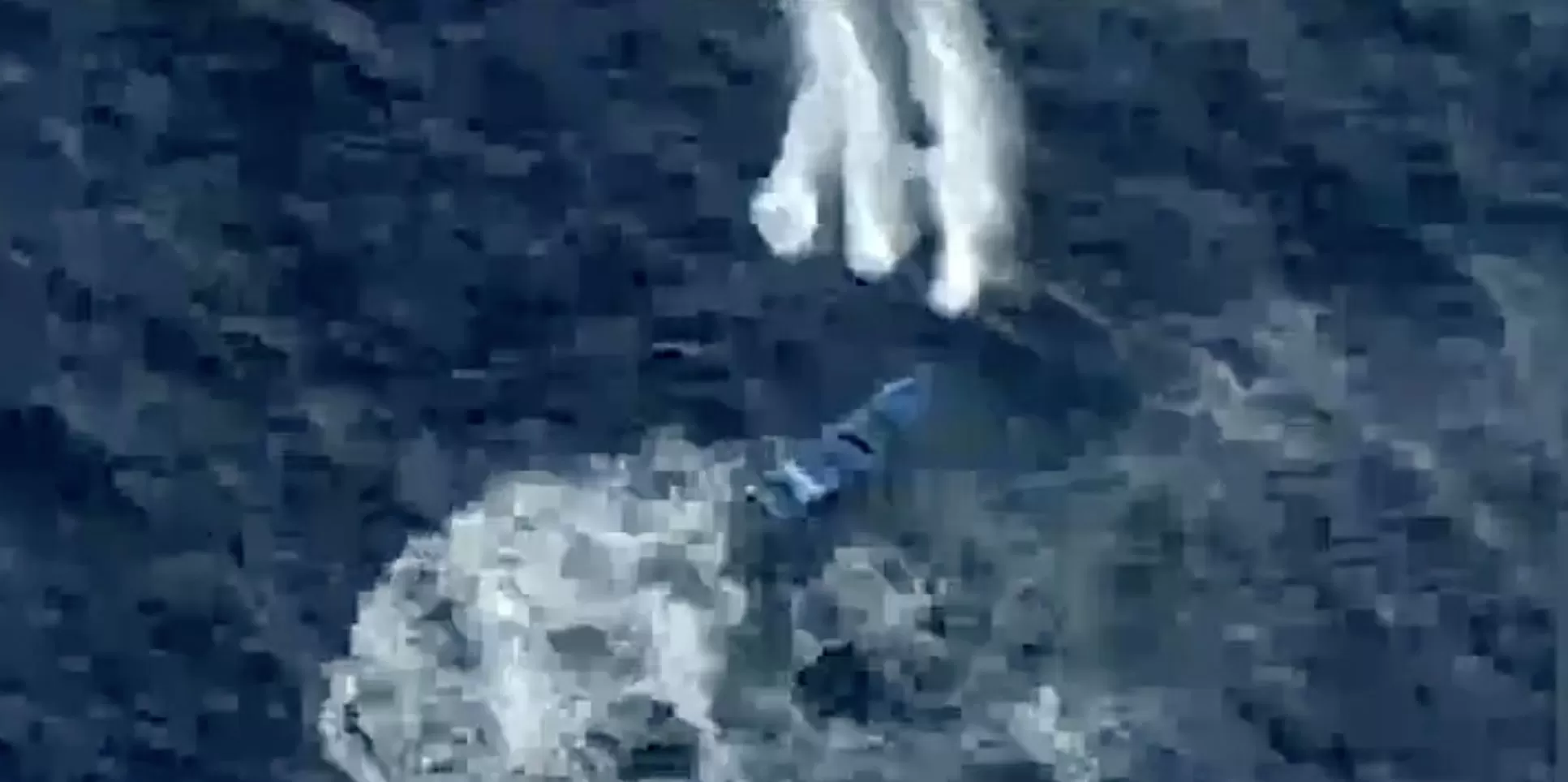
According to reports by The Intercept, the boat strike happened in the middle of the Pacific Ocean, known for its unpredictable and deadly waters. The survivors were left stranded in a life raft, with little supplies and no means of communication. They were completely at the mercy of the sea and the rescue team, which unfortunately took longer than expected to arrive.
The U.S. Coast Guard, known for its swift and effective rescue operations, was alerted about the incident and immediately took action. The rescue plane was dispatched to the location, but due to technical difficulties and unfavorable weather conditions, it took nearly two days for it to reach the survivors. For the survivors, those 45 hours must have felt like an eternity, as they battled the harsh winds and rough waves, praying for help to arrive.
The question that arises is, why did it take so long for the rescue plane to reach the survivors? The answer to that question is not a simple one. It is a combination of various factors, including technological issues, logistical challenges, and weather conditions. However, one thing is certain, this incident brings to light the need for better and more efficient rescue systems.
The U.S. Coast Guard, being a vital part of the country’s defense and security, has always been at the forefront of rescue operations. They have a dedicated team of highly trained professionals who risk their lives to save others. However, even with their expertise and advanced equipment, unforeseen circumstances can cause delays in rescue missions.
But instead of focusing on the delay, let’s take a moment to appreciate the efforts of the rescue team and their determination to reach the survivors despite all challenges. It takes immense courage and dedication to carry out such missions, and we should be grateful for their service.
In the end, the most important thing is that all the survivors were rescued and brought to safety. Despite the delay, the rescue team’s timely arrival ensured that no lives were lost. It is a testament to their skills and unwavering commitment to their duty.
This incident also sheds light on the dangers of the sea and the need for proper safety measures. The Pacific Ocean, known for its pristine beauty, can turn into a deadly trap in the blink of an eye. It is crucial for people to be aware of the risks involved in venturing into such treacherous waters and to always follow necessary safety protocols.
In conclusion, the 45-hour delay in the rescue mission for the survivors of the boat strike was indeed a stressful and nerve-wracking situation. However, it also serves as a wake-up call for authorities to review and improve their rescue systems. It is during such challenging times that we realize the importance of having a reliable and efficient rescue team. Let us take a moment to appreciate the efforts of the U.S. Coast Guard and all rescue teams around the world, who put their lives on the line each day to ensure our safety.