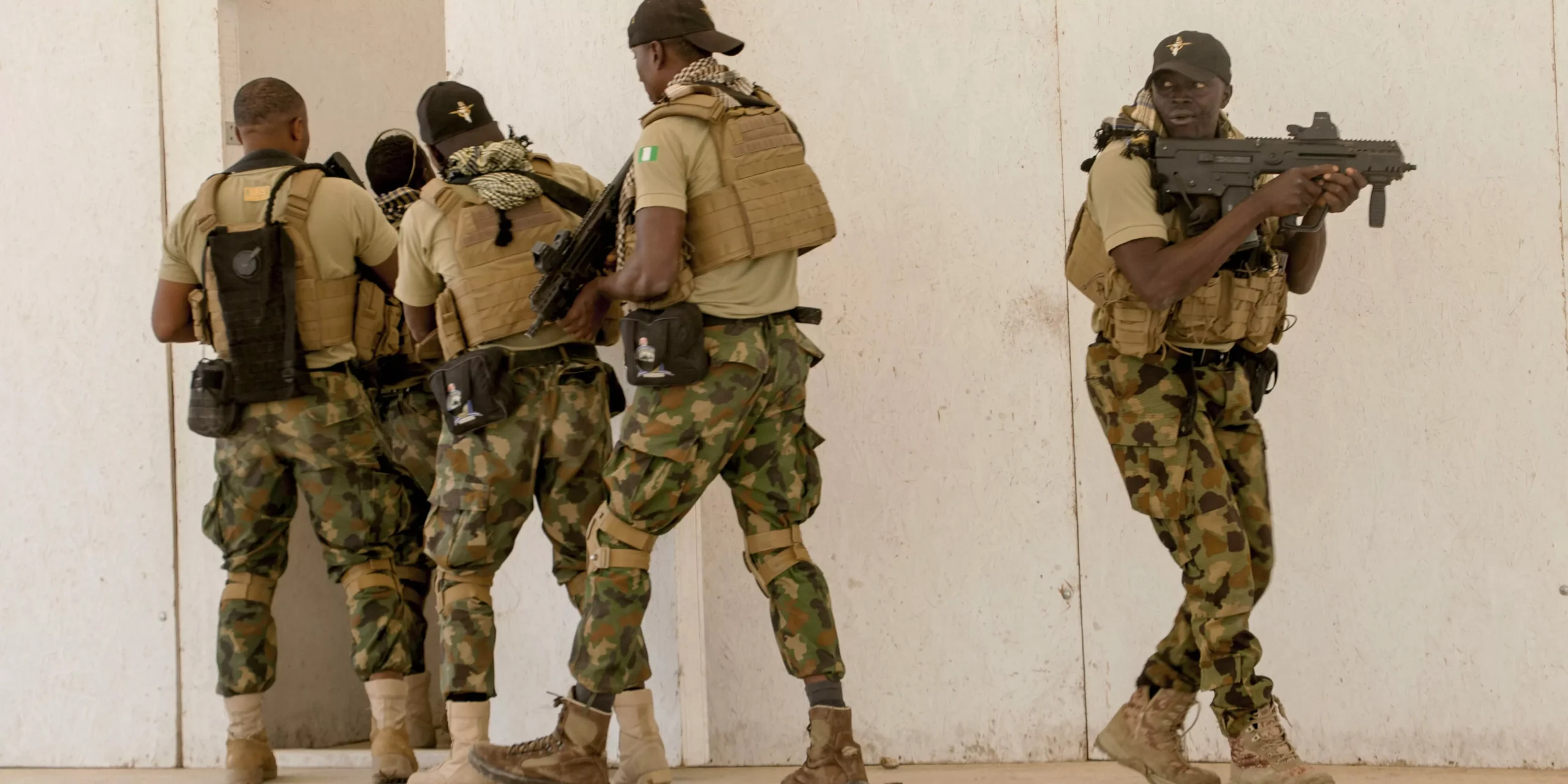
As tensions continue to rise in Nigeria, the Trump administration has announced plans to send more troops to the region in an effort to combat the escalating violence. This decision has sparked both support and criticism from both sides, with some praising the move as a necessary step to bring stability to the region, while others are concerned about the potential consequences of an increased U.S. military presence.
The recent announcement comes at a time when Nigeria has been facing a surge in violence, particularly in the northern region of the country. The Boko Haram insurgency, along with inter-communal clashes and attacks by armed groups, has led to thousands of deaths and forced millions to flee their homes. The situation in Nigeria has become a major concern for not only the Nigerian government but also for the international community.
In response to this growing crisis, the Trump administration has decided to send additional troops to Nigeria. This move has been met with mixed reactions, with some questioning the motives behind it. However, there are several reasons why this decision is crucial and necessary in order to bring peace and stability to the region.
First and foremost, the increased military presence will enable the U.S. to provide much-needed support and training to the Nigerian Armed Forces. The Nigerian military has been struggling to contain the Boko Haram insurgency and has often been accused of human rights abuses in their operations. By sending more troops, the U.S. will be able to work closely with the Nigerian military and help them improve their tactics and strategies in fighting against the insurgency. This will not only lead to a more effective and efficient response to the crisis but also ensure that the Nigerian military operates in accordance with international standards.
Moreover, the U.S. troops will also play a crucial role in providing security and stability to the region. The presence of armed groups and the ongoing violence has had a devastating impact on the lives of civilians in Nigeria. By increasing its military presence, the U.S. will be able to deter these groups from carrying out attacks and provide a safer environment for the local population. This will not only save lives but also allow for the delivery of essential humanitarian aid to those in need.
Furthermore, the U.S. has a long history of providing support and aid to Nigeria in times of crisis. This decision to send more troops is a demonstration of the U.S.’s commitment to its partnership with Nigeria and its efforts to bring stability to the region. By working closely with the Nigerian government and military, the U.S. will be able to address the root causes of the violence and work towards a long-term solution.
Critics of the decision have raised concerns about the potential for the U.S. to get involved in another endless war. However, it is important to note that the U.S. has no intentions of engaging in direct combat in Nigeria. The troops will be primarily focused on providing support and training, as well as protecting civilians, rather than engaging in direct combat.
In addition, the U.S. has also committed to working closely with the Nigerian government and regional partners to address the underlying issues that have contributed to the current crisis. This includes addressing economic and social inequalities, promoting good governance, and supporting efforts towards sustainable development in the region. By taking a holistic approach, the U.S. aims to not only address the current crisis but also prevent similar situations from arising in the future.
In conclusion, the decision to send more troops to Nigeria is a necessary and positive step towards bringing stability and peace to the region. By providing support and training to the Nigerian military, as well as promoting security and stability, the U.S. is demonstrating its commitment to its partnership with Nigeria and its efforts to address the ongoing crisis. With a coordinated and holistic approach, we can hope to see a brighter and more peaceful future for Nigeria and its people.