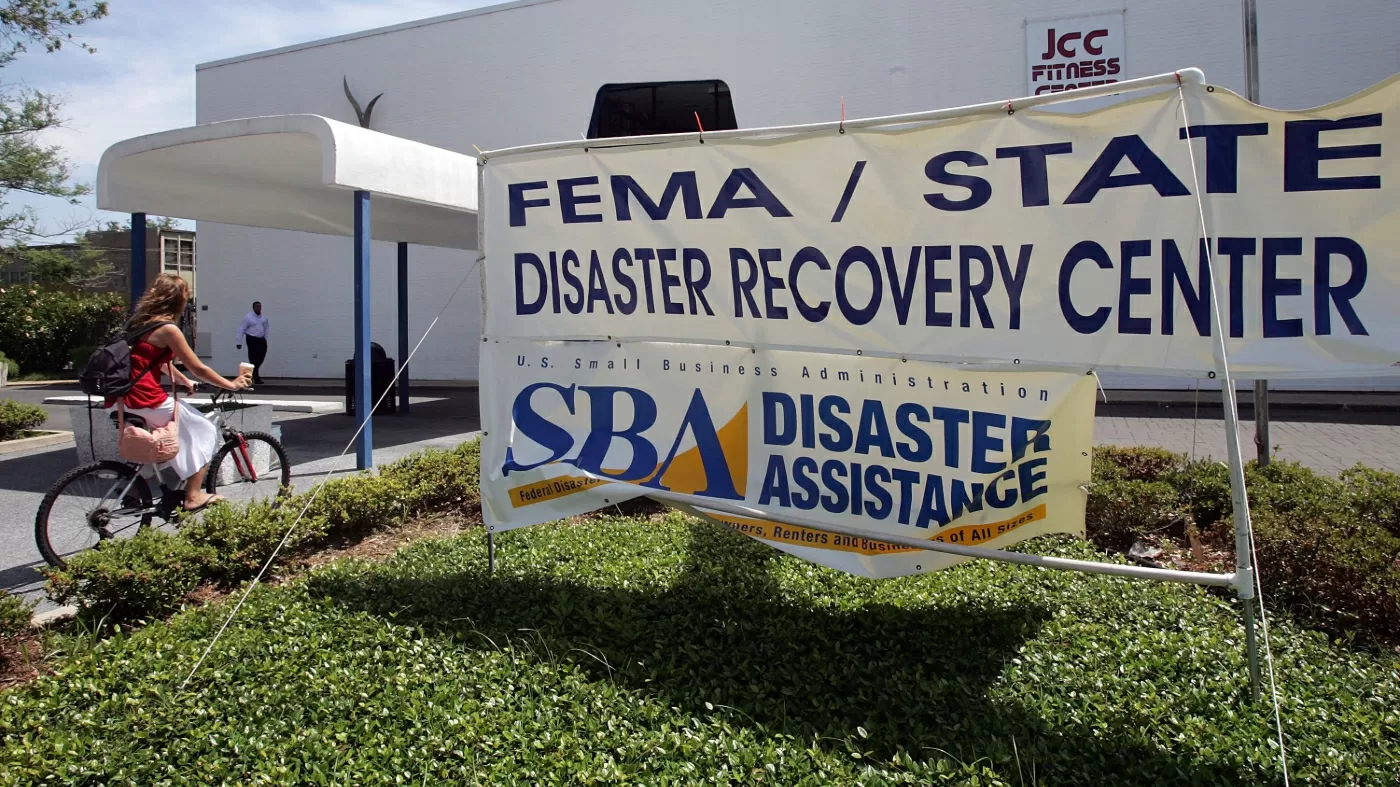
The Department of Homeland Security (DHS) has recently made a significant change to the travel policies for Federal Emergency Management Agency (FEMA) staff. According to a travel bulletin sent to staff on Friday and reviewed by The Hill, all travel for FEMA employees will now require approval from DHS, even if it is funded through a separate pocket of disaster money.
This new policy, which will take effect in February, has raised some concerns among FEMA staff. However, it is important to understand the reasoning behind this decision and how it will ultimately benefit both FEMA and the American people.
First and foremost, this change is being made to ensure that all FEMA staff travel is in line with the priorities and objectives of the Department of Homeland Security. As an agency responsible for protecting the nation from various threats, including natural disasters, it is crucial for DHS to have oversight and control over all travel plans involving FEMA employees.
Furthermore, this new policy will also help to streamline and centralize the approval process for FEMA staff travel. By having DHS as the sole approving authority, there will be a more efficient and consistent process in place. This will not only save time and resources, but also ensure that all travel plans are thoroughly reviewed and meet necessary requirements.
It is also worth noting that this change does not mean that FEMA will be limited in its ability to respond to disasters. In fact, the travel bulletin specifically states that travel requests will be reviewed and approved on a case-by-case basis, taking into consideration the urgency and importance of the travel. This means that FEMA will still have the flexibility to respond to disasters and emergencies as needed.
Additionally, this new policy will help to maintain transparency and accountability within FEMA. With all travel plans being approved by DHS, there will be a clear record of all travel and the reasons behind it. This will help to ensure that taxpayers’ money is being used responsibly and for the intended purpose.
Some may argue that this change will create unnecessary red tape and hinder FEMA’s ability to respond quickly to disasters. However, it is important to remember that FEMA is a part of the larger DHS family and must adhere to its policies and procedures. This change will ultimately help to strengthen the relationship between the two agencies and promote better coordination in times of crisis.
In conclusion, the Department of Homeland Security’s decision to require approval for all FEMA staff travel is a positive step towards ensuring the effectiveness and accountability of both agencies. It will help to streamline the process, maintain transparency, and ultimately benefit the American people. As FEMA continues its important work of responding to disasters and emergencies, this new policy will provide a strong foundation for its operations.