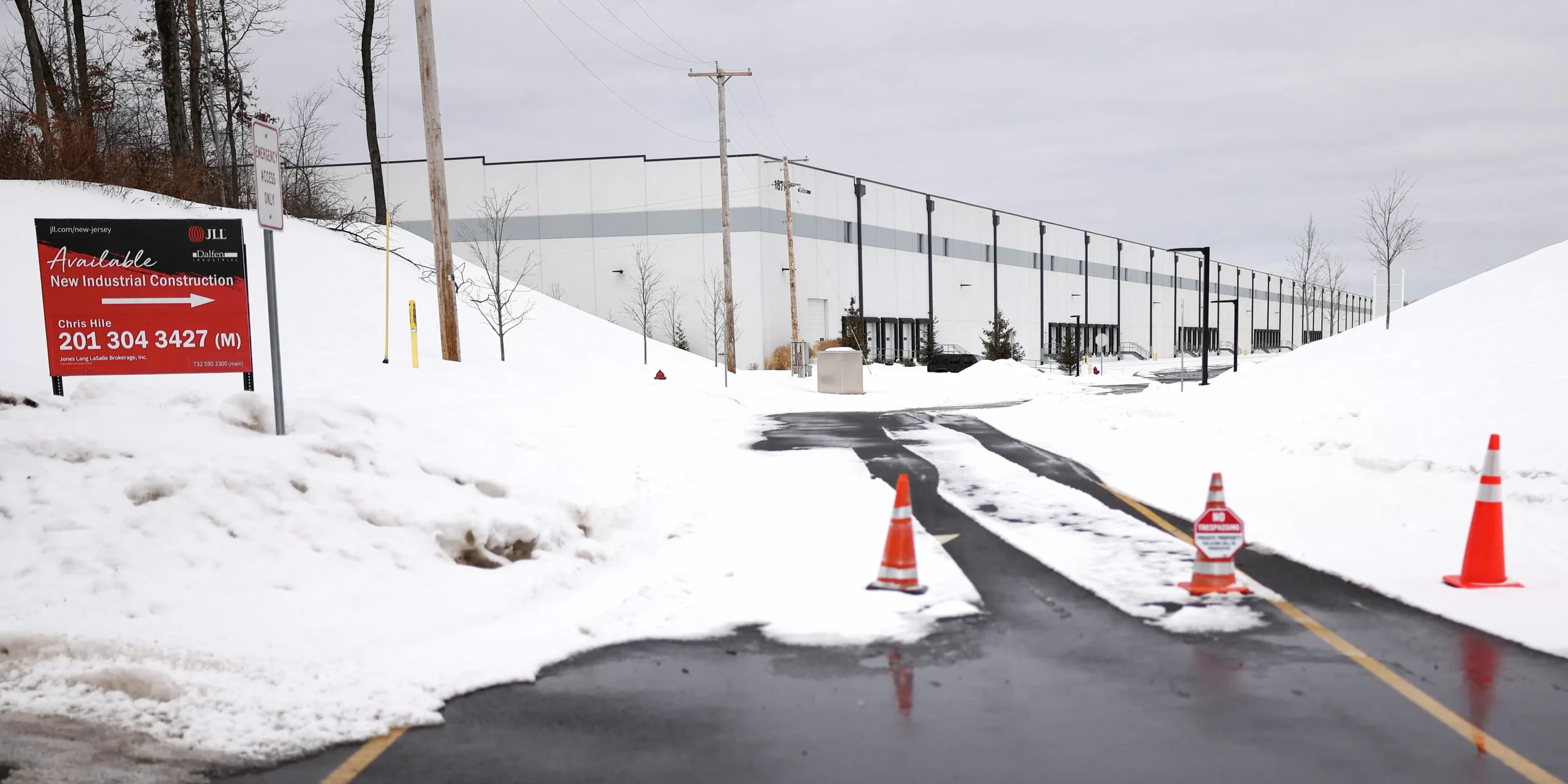
In recent years, Immigration and Customs Enforcement (ICE) has been the subject of much controversy and criticism for its inhumane treatment of immigrants. Under the Trump administration, this agency has received even more attention for its aggressive policies and actions towards immigrant communities. One of the most alarming developments has been the plan to turn warehouses into prisons for immigrants. However, thanks to local pressure and activism, these projects have been met with significant roadblocks.
The idea of converting warehouses into detention camps for immigrants is not a new one. In fact, this approach was first introduced under the Obama administration, with the opening of a facility in Texas that was dubbed “the largest immigration detention center in the country”. The facility, run by the private prison company GEO Group, had a capacity of 1,100 beds and was intended to detain families seeking asylum in the United States.
But under Trump’s aggressive immigration policies, the use of warehouse detention camps has escalated. The administration has allocated a whopping $1 billion to ICE for the construction and operation of these facilities, with plans to open multiple sites across the country. These camps would be used to detain immigrants, including families and children, seeking asylum or facing deportation.
This plan has understandably sparked outrage and resistance from both local communities and immigrant rights organizations. The conditions in these detention camps are notoriously inhumane, with reports of overcrowding, unsanitary living conditions, and inadequate medical care. Families and children are being torn apart, with reports of toddlers being separated from their parents and housed in these facilities.
However, despite the immense financial resources at their disposal, ICE’s plans to open more warehouse detention camps have hit a major roadblock – the power of local pressure and activism. In fact, in recent months, several proposed detention camp projects have been stopped in their tracks due to the determined efforts of local communities and organizations.
One such example is the proposed ICE detention center in McFarland, California. The city, located in the Central Valley, has a largely immigrant population and is already home to a private prison run by GEO Group. However, when residents found out about the plans to open a new detention camp, they immediately mobilized to oppose it. Their efforts paid off when the city council voted unanimously to reject GEO Group’s proposal. This victory was a result of the tireless work of local activists and organizations such as Faith in the Valley, which organized protests, town hall meetings, and advocacy campaigns to raise awareness about the negative impact of the detention camp on their community.
Another notable example is the proposed detention camp in Evanston, Wyoming. The city was in talks with a private prison company to convert an old warehouse into a detention center for immigrants. However, when the plans were made public, community members, along with immigrant rights groups, sprang into action. They organized protests, wrote letters to local officials, and spoke out against the project at public meetings. Their efforts paid off when the city council voted against the proposal, citing concerns about the negative impact on the community and the ethical implications of detaining immigrants.
These are just two of the many examples of successful local mobilization against ICE’s plans for warehouse detention camps. These victories prove that when communities come together and stand in solidarity with immigrant communities, they have the power to stop these harmful projects in their tracks.
However, the fight is far from over. There are still many proposed detention camp projects in the works, and it is crucial that we continue to raise our voices and show our solidarity with immigrant communities. We must also hold our elected officials accountable and demand that they prioritize the well-being and rights of all individuals, regardless of their immigration status.
The resistance against warehouse detention camps is a testament to the power of grassroots activism and community mobilization. It shows that when we come together and use our voices, we can create real change and protect the rights and dignity of all individuals. Let us continue to stand in solidarity with immigrant communities and say no to the inhumane practice of warehouse detention camps.