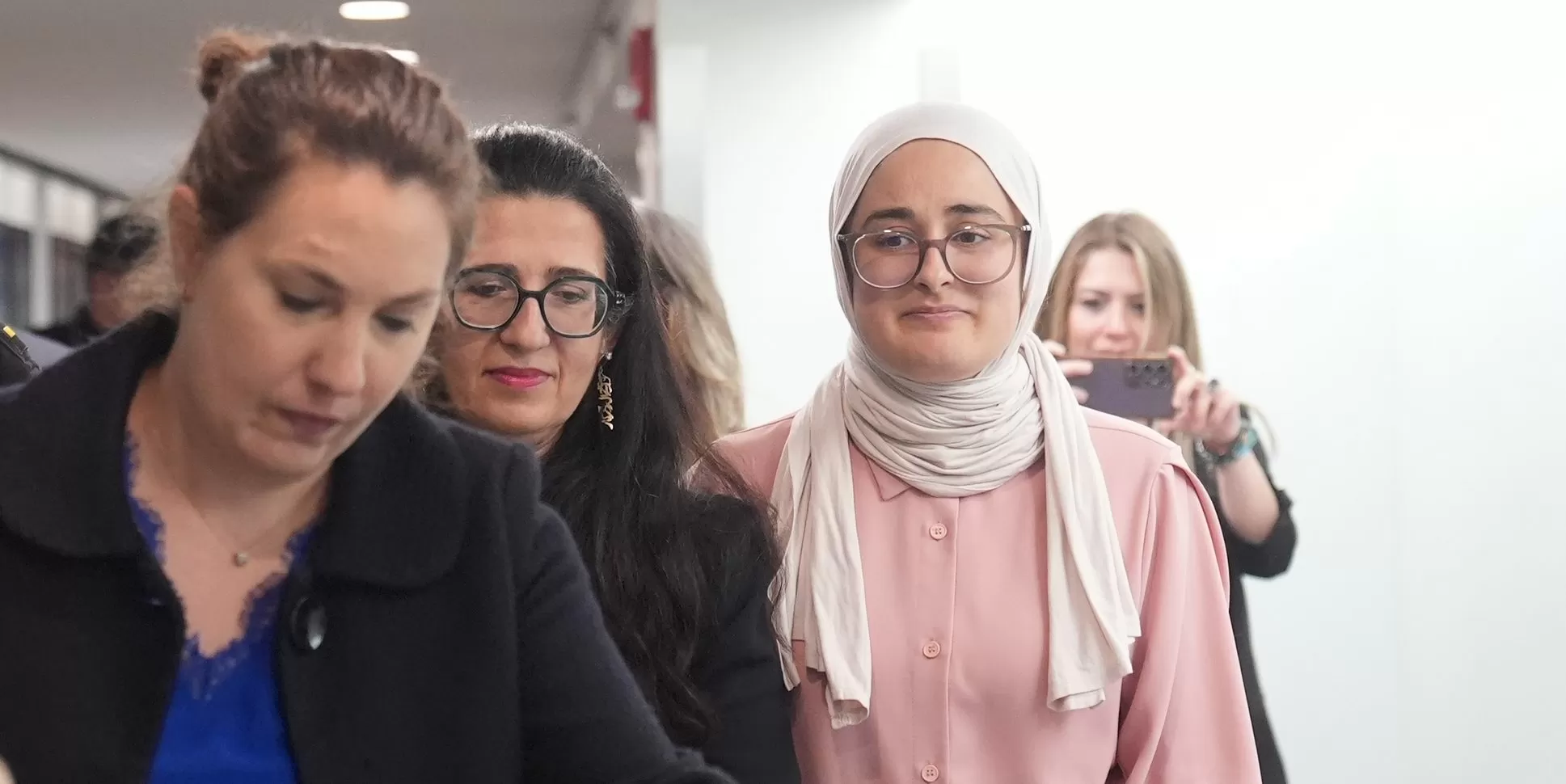
The recent case of Rümeysa Öztürk, a Tufts University student facing deportation, has sparked outrage and raised concerns about the state of free speech in our society. The shocking revelations that the case was built entirely on an op-ed co-written by Öztürk and leaked to authorities have sent shockwaves through the academic community. This incident serves as a chilling reminder of the dangers of suppressing free speech and the crucial role that whistleblowers play in safeguarding our fundamental rights.
The op-ed in question, published in a local newspaper, was a passionate defense of the Kurdish people and their struggle for self-determination. It was a call to action for the international community to stand in solidarity with the Kurdish cause and to condemn the Turkish government’s oppressive policies towards the minority group. However, instead of being celebrated for exercising her right to free speech, Öztürk found herself facing deportation proceedings.
The case against Öztürk was based solely on the op-ed, which was deemed to be a violation of the terms of her student visa. This is a clear abuse of power and a blatant attack on free speech. It is deeply concerning that expressing one’s political views can now be used as a justification for deportation. This sets a dangerous precedent and sends a chilling message to those who dare to speak out against injustice.
But what is even more alarming is the fact that the case against Öztürk was only possible because of the actions of leakers. These individuals, who remain anonymous, provided the op-ed to authorities, effectively destroying Öztürk’s chances of remaining in the country. This raises serious questions about the ethics and motivations of these leakers. Were they acting out of a sense of duty to uphold the law, or were they simply trying to silence dissenting voices?
The Intercept, a renowned investigative news outlet, has shed light on this disturbing turn of events. In their article, they highlight the crucial role that whistleblowers play in holding those in power accountable. Without their bravery and willingness to speak out, cases like Öztürk’s would go unnoticed and unchecked. The leakers in this case have not only helped destroy a deportation case but have also exposed the flaws in our immigration system and the threat it poses to free speech.
It is worth noting that this is not an isolated incident. In recent years, we have seen a growing trend of governments using immigration laws to suppress dissent and silence critics. This is a dangerous erosion of our democratic values and a threat to the very fabric of our society. We must stand together and demand that our governments uphold the principles of free speech and protect those who exercise it.
The case against Öztürk has also sparked a larger conversation about the state of free speech on college campuses. Universities, which are supposed to be bastions of free thought and expression, have become increasingly restrictive in their policies. This incident serves as a wake-up call for academic institutions to reevaluate their stance on free speech and ensure that students are not punished for expressing their political views.
As for Öztürk, the damage has been done. Her deportation case has been dropped, but the trauma and fear she has experienced cannot be erased. She has been unfairly targeted and vilified for exercising her right to free speech. This is a stark reminder of the dangers of suppressing dissent and the need for constant vigilance to protect our fundamental rights.
In conclusion, the disclosures surrounding the deportation case against Rümeysa Öztürk have exposed the fragility of free speech in our society. The actions of leakers have helped destroy a case built on nothing but an op-ed, highlighting the importance of whistleblowers in safeguarding our rights. This incident should serve as a wake-up call for all of us to stand up for free speech and demand that our governments and institutions respect and protect this fundamental right. We must not let fear and intimidation silence us, for it is only through the free exchange of ideas and opinions that we can progress as a society.