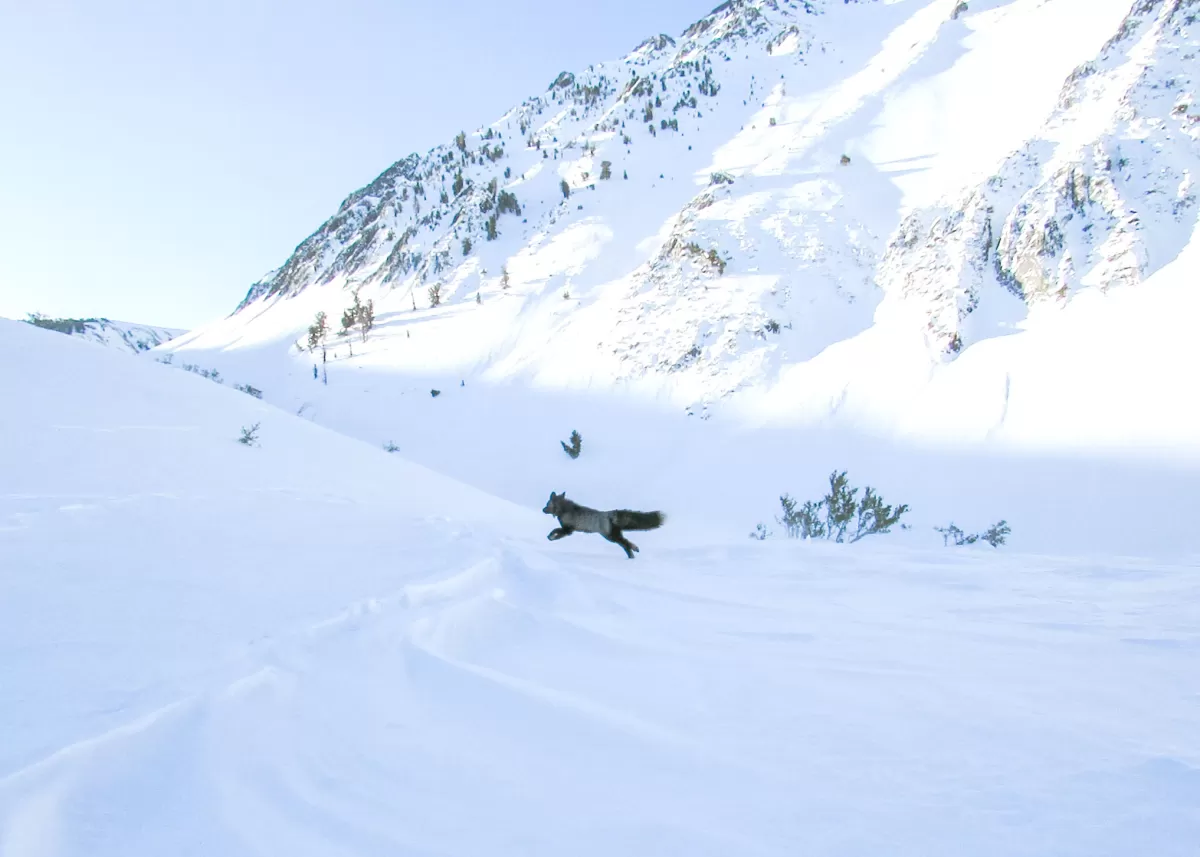
The Sierra Nevada mountains, located in eastern California, are a breathtaking and diverse region that is home to numerous endangered species. However, recent reports have revealed that one particular species, the Sierra Nevada bighorn sheep, is facing an alarming decline in population. It is estimated that there are fewer than 50 of these magnificent creatures remaining in their natural habitat. This news has caused concern and raised questions about the future of these animals and the efforts being made to protect them.
The Sierra Nevada bighorn sheep, also known as the Sierra bighorn or Nelson bighorn, is an iconic symbol of the rugged Sierra Nevada mountains. These majestic creatures can weigh up to 220 pounds and their impressive curved horns can reach up to three feet in length. They are known for their agile abilities, able to climb steep cliffs and navigate through rocky terrain with ease.
Unfortunately, a combination of factors – including disease, habitat loss, and competition from non-native domesticated sheep – has led to a significant decline in the Sierra Nevada bighorn sheep population. In the early 1990s, there were an estimated 500 of these animals living in the Sierra Nevada range. But now, conservationists believe that number has dwindled down to less than 50.
This alarming decline has brought attention to the conservation efforts being made to save these endangered animals. The US Forest Service, California Department of Fish and Wildlife, and the US Fish and Wildlife Service have been working together to monitor the bighorn sheep population and protect their habitat. This includes limiting grazing in areas where bighorn sheep are known to live, as well as addressing diseases such as pneumonia that can affect the species.
Additionally, the Sierra Nevada bighorn sheep population is being closely monitored and studied by wildlife biologists. These dedicated individuals have been tracking the movements of these animals and monitoring their behavior to gain a better understanding of the factors that are contributing to their decline. This valuable information is being used to develop conservation strategies and ensure the long-term survival of the Sierra Nevada bighorn sheep.
While the decline in population is concerning, there is hope for the future of the Sierra Nevada bighorn sheep. In recent years, there have been some positive signs of growth within the population. In 2018, three sets of twins were born to Sierra Nevada ewes, a rare occurrence that is seen as a promising indication of the species’ resilience. These newborn lambs are being closely monitored and cared for by conservationists, giving us hope for the continued survival of this iconic species.
Moreover, over the years, multiple organizations and individuals have contributed to conservation efforts through funding, volunteering, and raising awareness about the plight of the Sierra Nevada bighorn sheep. Their dedication and efforts have been crucial in protecting and preserving these animals for future generations to admire and enjoy.
The Sierra Nevada bighorn sheep is an integral part of the Sierra Nevada ecosystem, and their decline in population is a cause for concern. However, it is also a rallying call for action and a reminder of the importance of conservation efforts. With continued dedication and support, we can ensure that these majestic animals will continue to roam the rugged slopes of the Sierra Nevada mountains for generations to come.
In conclusion, while the news of there being fewer than 50 Sierra Nevada bighorn sheep remaining is worrying, it is also a reminder of the delicate balance of nature and the importance of protecting our endangered species. Through the combined efforts of conservationists, researchers, and the community, we can continue to preserve these magnificent creatures and their habitat. Let us work together to ensure a bright future for the Sierra Nevada bighorn sheep and all other endangered species on our planet.