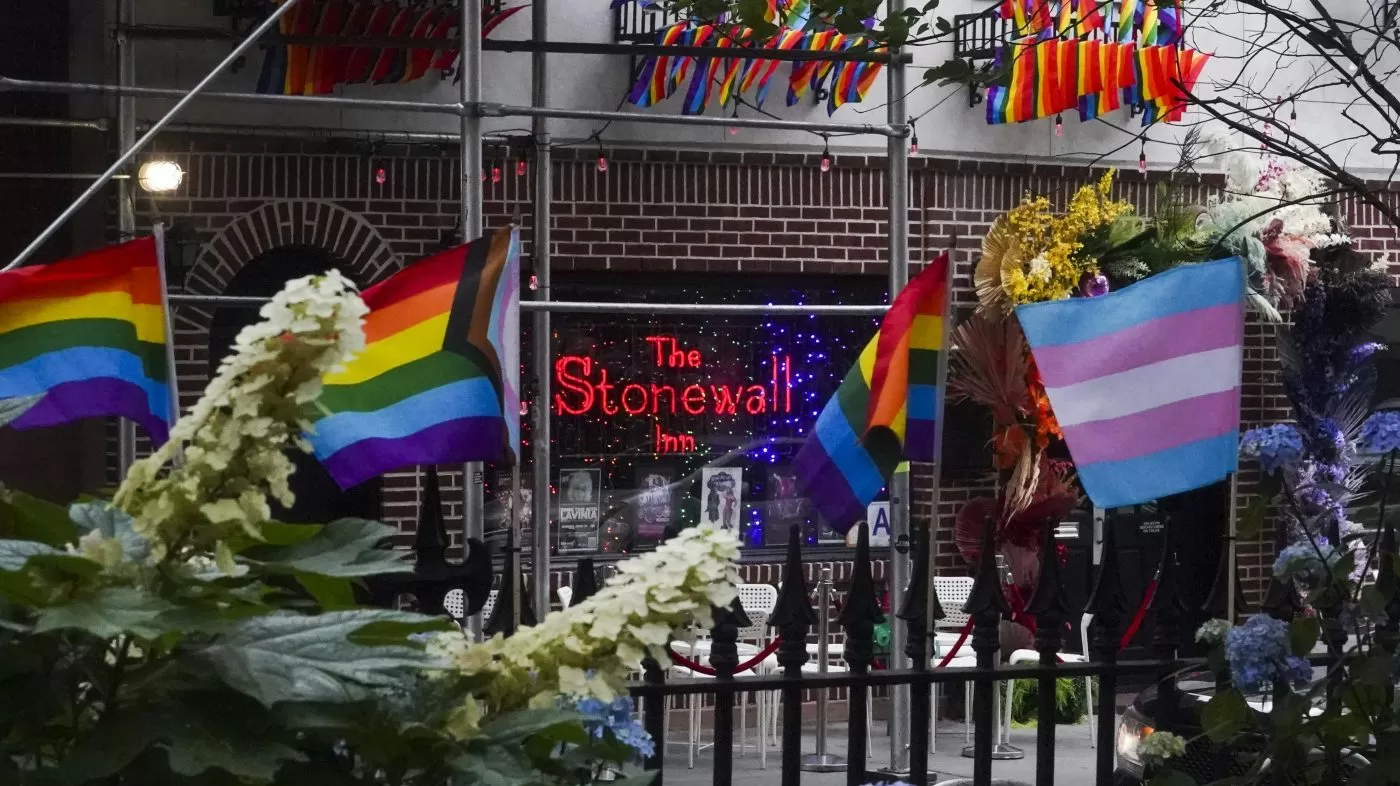
The Pride flag is a symbol that has become synonymous with the LGBTQ+ community and their fight for equal rights. It is a powerful emblem that represents love, diversity, and acceptance. The rainbow-colored flag has become a universal symbol of pride and has been embraced by people all over the world. It is a symbol that has stood the test of time and continues to inspire and empower individuals to be proud of who they are.
The history of the Pride flag dates back to 1978 when artist and activist Gilbert Baker created the first rainbow flag for the San Francisco Gay Freedom Day Parade. The original flag had eight colors, each representing a different aspect of the LGBTQ+ community. These colors were hot pink for sex, red for life, orange for healing, yellow for sunlight, green for nature, turquoise for magic, indigo for serenity, and violet for spirit. However, due to the unavailability of hot pink fabric, the flag was later reduced to six colors, with blue replacing turquoise and purple replacing hot pink.
Over the years, the Pride flag has evolved and has been modified to include different variations. The most common version is the six-stripe flag, with each color representing a different meaning. Red for life, orange for healing, yellow for sunlight, green for nature, blue for harmony, and purple for spirit. These colors represent the diversity and unity within the LGBTQ+ community, and they also serve as a reminder of the ongoing fight for equality and acceptance.
The Pride flag has become a powerful symbol of the LGBTQ+ community’s struggle for equal rights. It is a symbol that has been raised high during protests, marches, and pride parades, serving as a beacon of hope and a call for change. It is a symbol that has brought people together, regardless of their sexual orientation or gender identity, to stand in solidarity and fight for a common cause.
The impact of the Pride flag goes beyond just representing the LGBTQ+ community. It has become a symbol of love, acceptance, and inclusivity for all individuals, regardless of their sexual orientation or gender identity. It has become a symbol of hope for those who may feel marginalized or discriminated against because of who they are. The Pride flag has become a source of inspiration for many and has played a significant role in promoting awareness and understanding of the LGBTQ+ community.
The Pride flag has also become a symbol of celebration and joy. Every year, during the month of June, the flag is raised high in honor of Pride Month. It is a time when the LGBTQ+ community and its allies come together to celebrate their identities, their achievements, and their resilience. The rainbow-colored flag can be seen flying proudly in cities all over the world, reminding everyone that love knows no boundaries and that everyone deserves to be treated with respect and dignity.
The impact of the Pride flag can be seen in the progress that has been made in the fight for LGBTQ+ rights. It has been a symbol of hope and a catalyst for change. The flag has been instrumental in bringing attention to issues faced by the community and has helped in breaking down barriers and promoting acceptance. It has also served as a reminder that the fight for equality is far from over and that there is still much work to be done.
In recent years, the Pride flag has also been used to represent different identities within the LGBTQ+ community. For example, the transgender flag, which consists of five horizontal stripes in light blue, pink, and white, represents the transgender community. The bisexual flag, with three horizontal stripes in pink, purple, and blue, represents the bisexual community. These flags serve as a reminder that the LGBTQ+ community is diverse and inclusive, and that everyone deserves to be represented and celebrated.
In conclusion, the Pride flag is more than just a piece of fabric with colorful stripes. It is a powerful symbol that represents love, diversity, and acceptance. It is a symbol that has brought people together and has played a significant role in the fight for LGBTQ+ rights. The Pride flag is a reminder that everyone deserves to be treated with respect and dignity, regardless of their sexual orientation or gender identity. It is a symbol that will continue to inspire and empower individuals to be proud of who they are and to stand up for what they believe in.