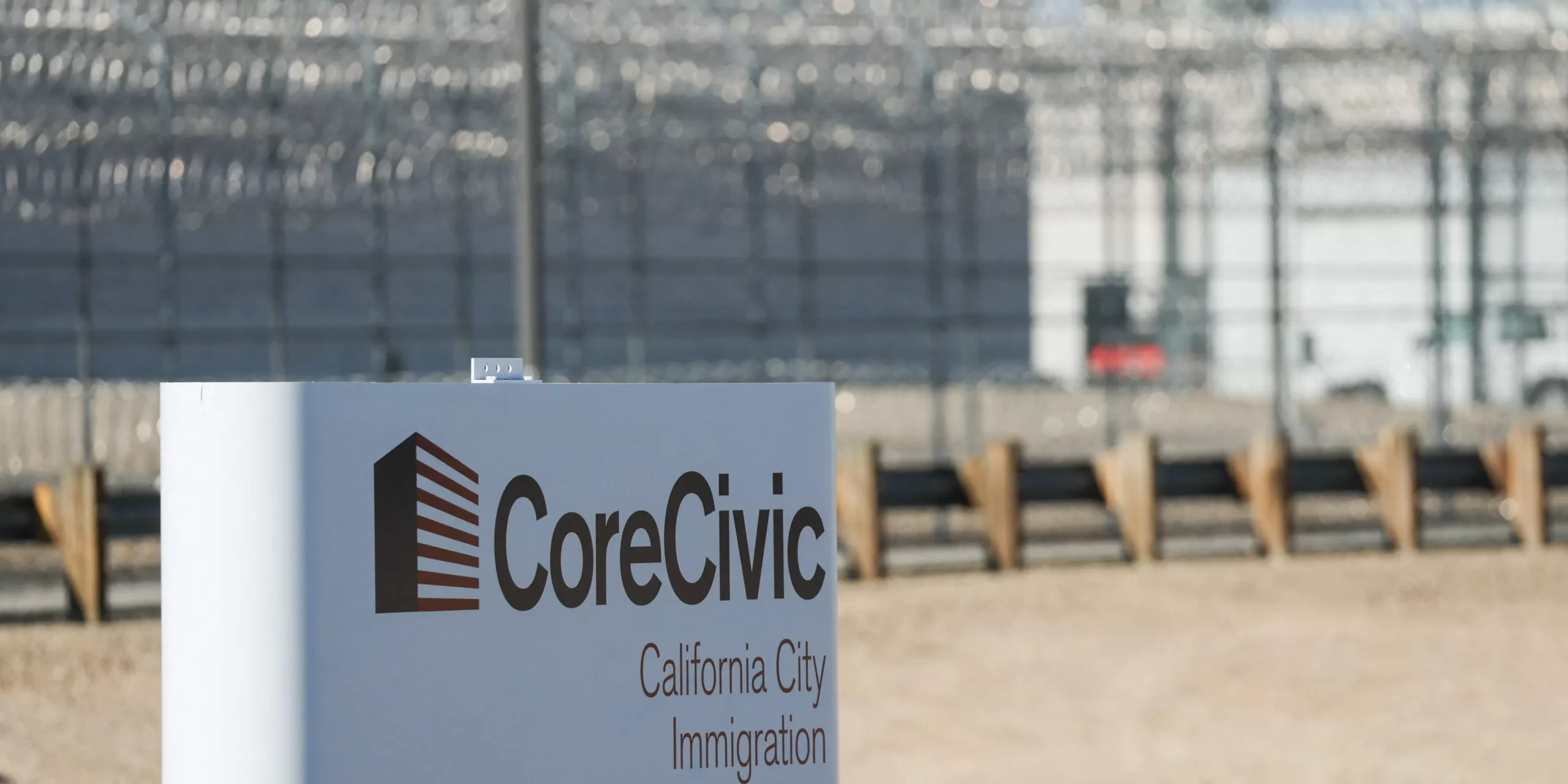
Major banks have recently made a bold move by denying financing to two of the largest private prison companies in the United States, GEO Group and CoreCivic. This decision has been met with praise from human rights activists and organizations, who have long been advocating for the end of private prisons. However, the companies are not taking this setback lightly and have been pushing for legislation that would force banks to give them loans. This move has sparked a heated debate about the role of private prisons in the criminal justice system and the influence of money in politics.
The decision by major banks to cut ties with GEO Group and CoreCivic is a significant step towards ending the use of private prisons in the United States. These companies have been heavily criticized for their treatment of inmates, with reports of human rights violations and inadequate living conditions. The fact that they have been denied financing by major banks is a clear indication that their practices are not in line with the values of these institutions.
However, the private prison companies are not going down without a fight. They have been lobbying for legislation that would force banks to provide them with loans, despite their questionable practices. This move has raised concerns about the influence of money in politics and the power of these companies to shape legislation in their favor.
The private prison industry has a long history of using its financial resources to influence politicians and policies. According to a report by the Center for Responsive Politics, GEO Group and CoreCivic have spent millions of dollars on lobbying efforts in the past decade. This has allowed them to gain significant political influence and push for policies that benefit their business, even at the expense of human rights.
The proposed legislation, known as the “Banking Fairness Act,” would require banks to provide loans to companies that have been denied financing by other institutions. This would essentially force banks to do business with private prison companies, regardless of their track record or ethical concerns. The bill has been met with strong opposition from human rights groups, who argue that it goes against the principles of responsible banking and would only serve to perpetuate the use of private prisons.
The debate over the use of private prisons is not a new one. For years, activists and organizations have been calling for an end to this practice, citing the numerous human rights violations and the profit-driven nature of these companies. The fact that major banks have taken a stand against these companies is a significant victory for those fighting for criminal justice reform.
However, the proposed legislation is a clear attempt by private prison companies to maintain their grip on the criminal justice system. By forcing banks to provide them with loans, they are essentially ensuring their continued existence and profitability. This move not only undermines the efforts of those fighting for criminal justice reform, but it also goes against the values of responsible banking.
It is essential for banks to consider the ethical implications of their investments and lending practices. By providing loans to private prison companies, they are essentially supporting a system that profits from the incarceration of individuals, many of whom are from marginalized communities. This goes against the principles of social responsibility and could have a detrimental impact on the reputation of these institutions.
In conclusion, the decision by major banks to deny financing to private prison companies is a step in the right direction. It sends a strong message that the unethical practices of these companies will not be tolerated. However, the proposed legislation that would force banks to provide loans to these companies is a cause for concern. It is crucial for banks to uphold their values and not be swayed by the influence of money and politics. The use of private prisons in the United States must come to an end, and it is up to all of us to ensure that our financial institutions are not complicit in this unethical practice.