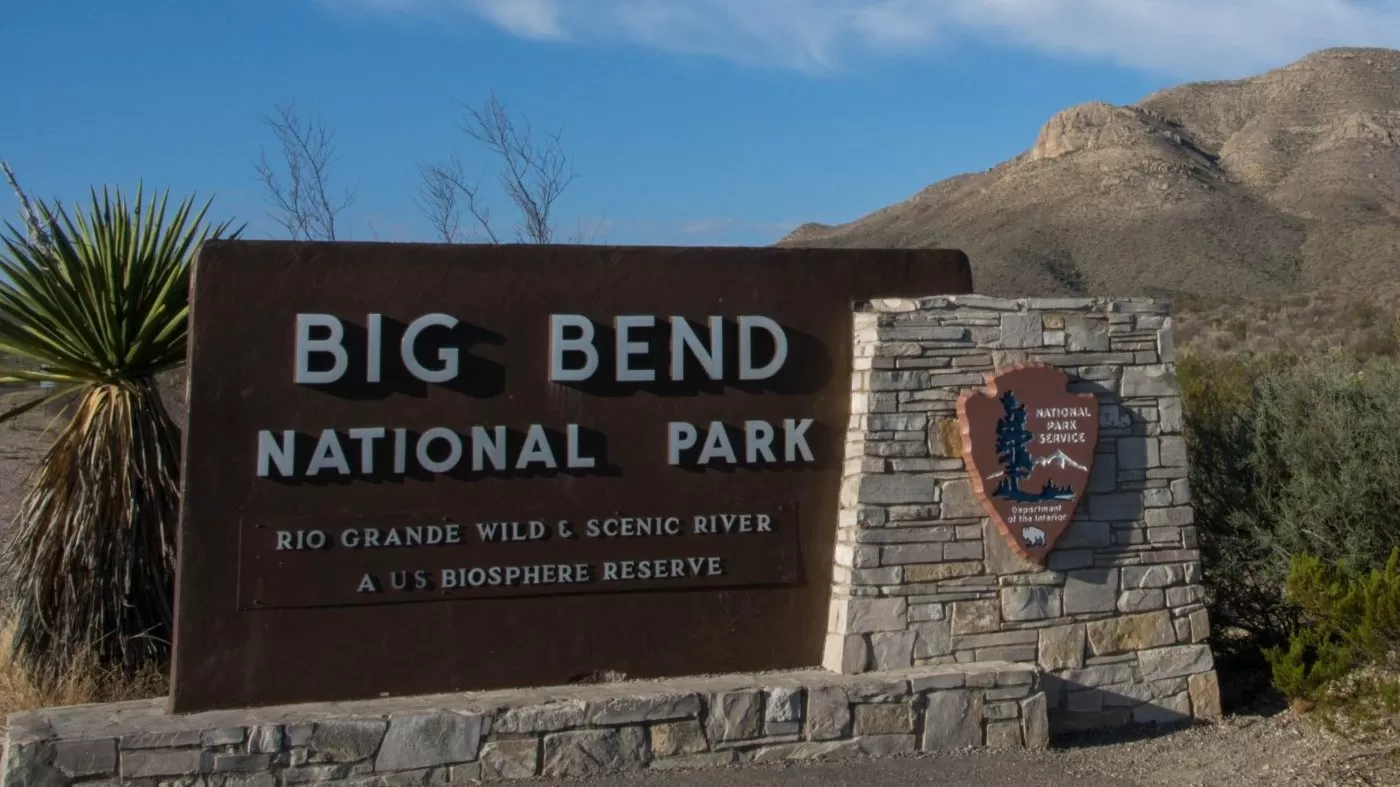
From Feb. 12-28, park resource crews will be hard at work in Big Bend National Park, cutting down tamarisk trees and treating the stumps with the herbicide triclopyr. This important project, announced in a Jan. 27 news release by the National Parks Service, aims to remove invasive trees from the park’s beautiful Rio Grande and hot springs area.
Tamarisk trees, also known as saltcedar, are not native to the United States and were introduced in the 1800s as an ornamental plant. However, they have since spread rapidly and become a major problem in many areas, including Big Bend National Park. These trees have a high tolerance for salt and can thrive in harsh conditions, outcompeting native plants and disrupting the natural ecosystem.
The removal of tamarisk trees is crucial for the health and preservation of the park’s unique landscape. The National Parks Service has been working tirelessly to combat this invasive species and this latest effort is a significant step towards achieving their goal.
The process of removing the tamarisk trees involves cutting them down and treating the stumps with the herbicide triclopyr. This herbicide is specifically designed to target woody plants and is safe for the environment and other plants in the area. The use of triclopyr ensures that the tamarisk trees will not grow back, allowing native plants to thrive once again.
The project will take place from Feb. 12-28, during which time visitors may notice some temporary closures in the affected areas. However, the National Parks Service assures that these closures will be kept to a minimum and will not disrupt the overall park experience. In fact, the removal of the tamarisk trees will enhance the natural beauty of the park and provide visitors with a more authentic and diverse experience.
The Rio Grande and hot springs area are popular destinations for visitors to Big Bend National Park, and the removal of the tamarisk trees will greatly improve the overall aesthetic and ecological value of these areas. The park’s hot springs, in particular, will benefit from this project as the tamarisk trees have been known to clog the springs and impact the water flow.
This project is a testament to the National Parks Service’s commitment to preserving and protecting our natural resources. By removing invasive species, they are not only improving the health of the park but also ensuring that future generations can continue to enjoy its beauty.
Visitors to Big Bend National Park are encouraged to support this project and learn more about the importance of preserving our natural ecosystems. The National Parks Service also reminds visitors to always follow park regulations and avoid introducing any non-native plants or animals into the park.
In conclusion, the removal of tamarisk trees in Big Bend National Park is a positive and necessary step towards preserving the park’s natural beauty and diversity. The National Parks Service’s efforts to combat invasive species are commendable and we should all do our part to support and protect our national treasures. So let’s all look forward to a more vibrant and thriving Big Bend National Park, thanks to this important project.