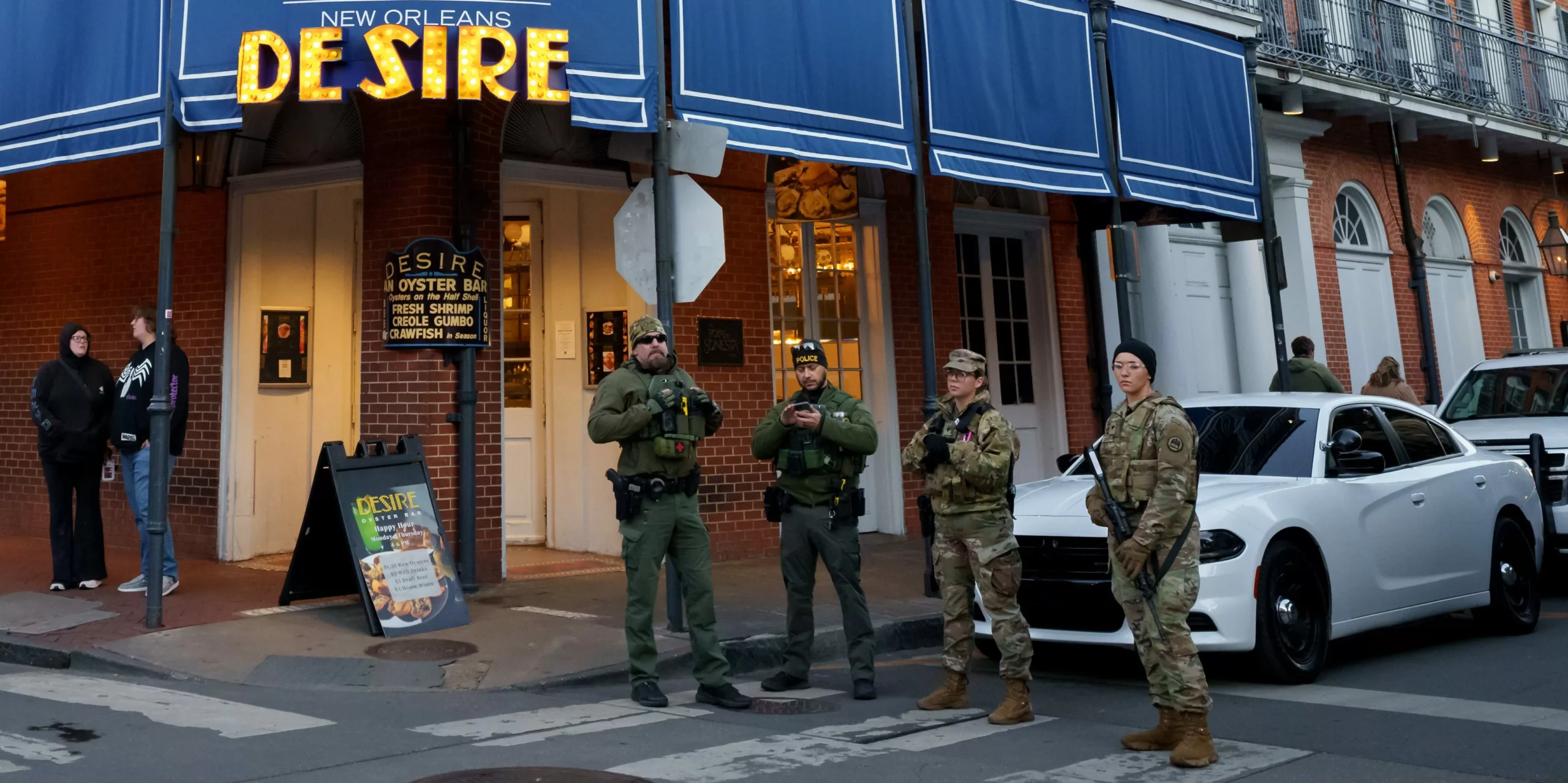
A recent report from the Congressional Budget Office has revealed the staggering expenses incurred by the Trump administration in its military occupations within US cities. According to the report, the cost of deploying troops to the streets of American cities has reached a staggering $500 million, calling into question the necessity and effectiveness of these actions.
These expenditures were deemed necessary by President Trump in response to the ongoing protests against racial injustice and police brutality. However, the CBO’s findings shed light on the immense financial burden that these military occupations have placed on the American taxpayers. This has raised concerns about the administration’s priorities and the long-term impacts of such exorbitant spending.
The report from the CBO, a non-partisan agency that provides economic and budgetary analysis to Congress, revealed that the majority of the expenses were related to the deployment of National Guard troops to cities such as Portland, Seattle, and Washington, D.C. These troops were sent in response to protests against police violence, many of which have turned violent themselves due to the aggressive actions of law enforcement.
The CBO’s report also highlighted the significant cost associated with the deployment of federal law enforcement agencies, such as the Department of Homeland Security, to these cities. The use of federal agents has been met with criticism and legal challenges, further adding to the overall cost of these occupations.
It is important to note that these expenses are in addition to the already record-high military budget proposed by the Trump administration for the fiscal year 2021. This budget includes a $741 billion allocation for the Department of Defense, an increase of $2 billion from the previous year. This raises questions about the priorities of the administration and their willingness to spend exorbitant amounts on military actions rather than addressing pressing domestic issues.
The report has sparked outrage and calls for accountability from both sides of the political spectrum. Many have questioned the effectiveness of these military occupations and whether they are truly necessary in maintaining law and order within our cities. The heavy-handed tactics used by federal agents and the National Guard have been met with widespread backlash and are seen as a disproportionate response to the largely peaceful protests.
Moreover, the CBO’s findings have raised concerns about the impact of these military occupations on the already strained relations between law enforcement and the communities they are meant to serve. The deployment of troops to American cities only serves to escalate tensions and further erode trust between citizens and their government.
In the midst of a global pandemic and economic downturn, the Trump administration’s decision to spend half a billion dollars on military occupations is a questionable one. It begs the question of whether these resources could have been better allocated towards addressing the root causes of the protests, such as systemic racism and inequality, or towards providing much-needed relief to struggling Americans.
Furthermore, the CBO’s report serves as a stark reminder of the need for transparency and accountability in government spending. The American taxpayers have a right to know how their hard-earned money is being used, especially in times of crisis.
In conclusion, the CBO’s report has shed light on the immense financial costs of the Trump administration’s military occupations in US cities. This excessive spending raises questions about the effectiveness and necessity of such actions, as well as the administration’s priorities. As tensions continue to rise and protests show no signs of slowing down, it is imperative that the government reevaluates its approach and redirects its resources towards meaningful and sustainable solutions. The American people deserve transparency and accountability, and it is the responsibility of our leaders to prioritize their needs over excessive military spending.