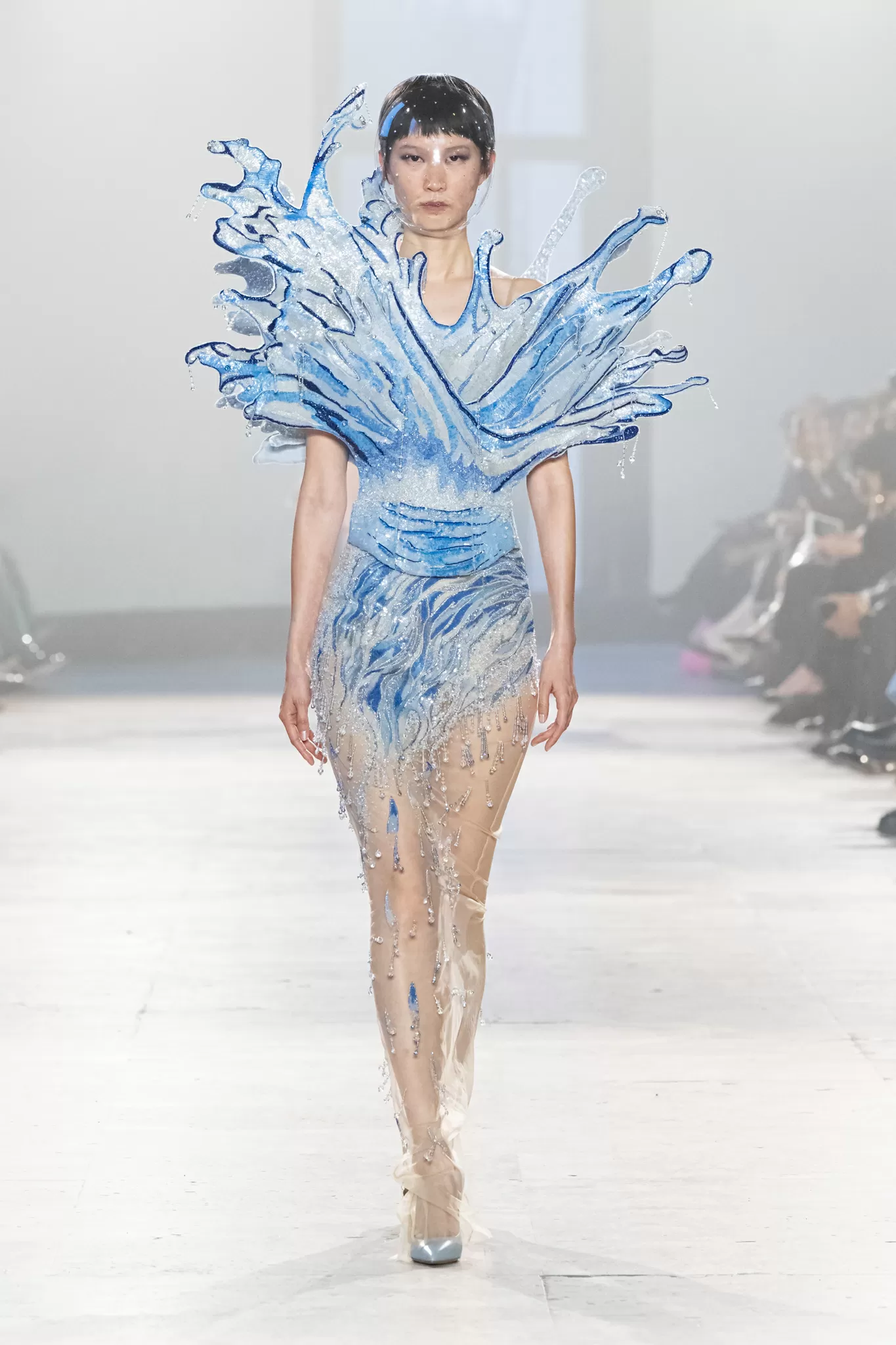
“We are stardust in a literal sense,” the designer said with a glint in his eye. These words may seem like a poetic metaphor, but they hold a deeper meaning that has captivated the world of design. In recent years, there has been a growing trend towards incorporating elements of the cosmos into fashion, architecture, and even everyday objects. And it all stems from the idea that we are, quite literally, made of stardust.
The concept of stardust dates back to the 1970s when a famous musician sang, “We are stardust, we are golden, and we’ve got to get ourselves back to the garden.” But what does it really mean? How is it possible that we are made of the same material as the stars in the sky? To understand this, we need to delve into the science behind it.
According to astrophysics, the universe was created around 13.8 billion years ago in a massive explosion known as the Big Bang. In the aftermath of this explosion, stars were formed, and they continue to be created even today. These stars are essentially massive balls of gas, primarily made up of hydrogen and helium. But as they age and eventually die, they release elements like carbon, oxygen, and nitrogen into the universe. These elements then combine to form new stars, planets, and even life.
So, when we say we are made of stardust, we mean that the elements that make up our bodies were once part of a star. In fact, every single element on Earth, including the ones that make up our bodies, can be traced back to a star. This realization is what has inspired designers to incorporate the cosmos into their creations.
One of the most notable examples of this trend is in fashion. Designers have been using celestial patterns, such as stars, galaxies, and constellations, in their clothing and accessories. These designs not only add an otherworldly touch to the garments but also serve as a reminder of our connection to the universe. It’s a way of paying homage to the stars that gave us life.
In architecture, we see a similar trend with buildings and structures that are inspired by the cosmos. From the iconic Sydney Opera House, which resembles a series of shells or sails, to the futuristic design of the Beijing National Aquatics Center, which is often referred to as the “Water Cube,” these structures all have a touch of the cosmos in their design. They serve as a reminder that we are just a small part of a vast and ever-expanding universe.
But it’s not just in fashion and architecture that we see this trend. Everyday objects, such as furniture and home decor, are also being infused with elements of the cosmos. From lamps shaped like planets to galaxy-inspired rugs, these objects add a touch of wonder and awe to our homes. They also serve as a reminder to appreciate the beauty of the universe and our place in it.
So, why has this trend become so popular? In a world that is constantly moving at a fast pace, it’s easy to get caught up in the chaos and forget about the bigger picture. But incorporating elements of the cosmos into our daily lives serves as a reminder to slow down and appreciate the beauty and vastness of the universe. It’s a way of reconnecting with our roots and finding a sense of peace and wonder in the midst of our busy lives.
Moreover, the idea of stardust also holds a deeper meaning for many people. It’s a reminder that we are all connected, not just to each other, but to the entire universe. We are all made of the same material, and that makes us all equal. It’s a powerful message that has resonated with people all over the world, and it’s no wonder that the trend has gained so much popularity.
In conclusion, the idea that we are stardust in a literal sense has sparked a trend that has taken the world of design by storm. From fashion to architecture to everyday objects, the cosmos has become a source of inspiration for designers, reminding us of our connection to the universe and the beauty that surrounds us. It’s a trend that not only adds a touch of wonder and awe to our lives but also serves as a powerful reminder of our place in the grand scheme of things. So, the next time you look up at the stars, remember that you are made of the same material, and let that thought inspire you to