Project Sunrise is a groundbreaking initiative that aims to create a “smart city” in the heart of Israel. With advanced AI grids and cutting-edge technology, this city promises to be a model of efficiency and innovation. However, as exciting as this project may seem, it is important to acknowledge the underlying issue that makes it possible – the continued dispossession of Palestinians.
The plans for Project Sunrise include the construction of a new city, called “New Rafah”, which will be built in Israel’s image. This means that it will be a modern, technologically advanced city, with state-of-the-art infrastructure and facilities. However, what is missing from this vision is the presence of Palestinians. The plans call for the complete erasure of Palestinian history and culture, as well as the displacement of Palestinian communities.
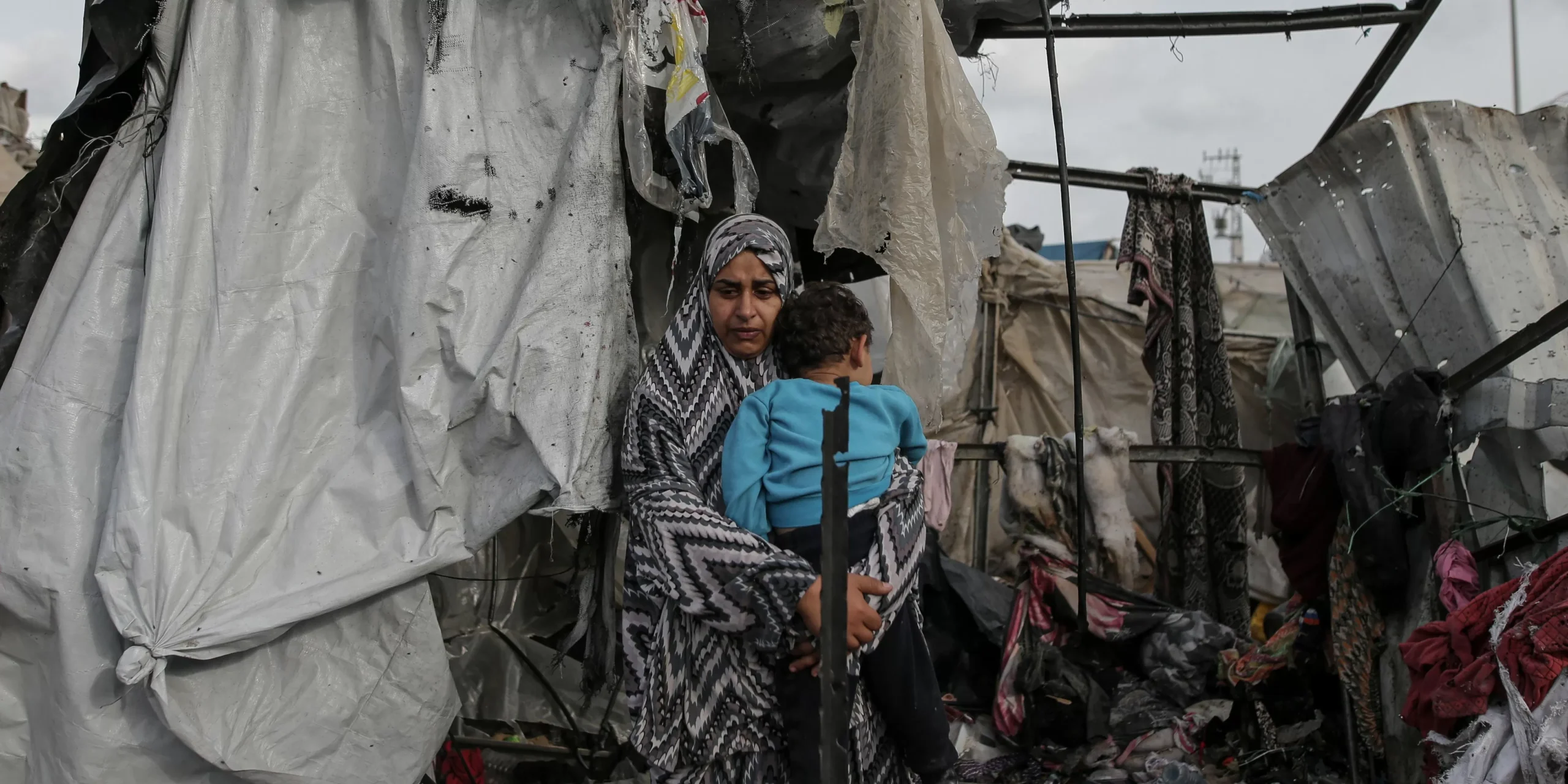
The city of Rafah, located in the southern Gaza Strip, has a rich history and a vibrant community. It is home to thousands of Palestinians who have lived there for generations. However, with the construction of New Rafah, these Palestinians will be forced to leave their homes and their land, in order to make way for this new “smart city”. This is not only a violation of their basic human rights, but it also perpetuates the ongoing displacement and dispossession of Palestinians.
The idea of a “smart city” is not new. Many countries around the world have already implemented similar projects, with the aim of creating more efficient and sustainable cities. However, what sets Project Sunrise apart is the fact that it is being built on stolen land. This raises serious ethical concerns and calls into question the true intentions behind this project.
The Israeli government claims that Project Sunrise will bring economic prosperity and development to the region. However, this prosperity will come at the cost of Palestinian lives and livelihoods. The displacement of Palestinians from their homes and land will only deepen the existing inequalities and injustices faced by the Palestinian people.
Moreover, the construction of New Rafah will also have a devastating impact on the environment. The city will be built on fertile agricultural land, which will be destroyed in the process. This will not only harm the local ecosystem, but it will also have a negative impact on the livelihoods of Palestinian farmers who rely on this land for their survival.
It is also important to note that the plans for Project Sunrise have been developed without any consultation or input from the Palestinian people. This further highlights the lack of consideration for the rights and voices of Palestinians in this project.
The Intercept’s recent article on Project Sunrise sheds light on the true intentions behind this project. It exposes the fact that the construction of New Rafah is not just about creating a “smart city”, but it is also a deliberate attempt to erase Palestinian presence and history from the region. This is a clear example of how the Israeli government uses technology and development as a means of furthering their agenda of occupation and colonization.
As we celebrate the advancements in technology and the potential for a more efficient and sustainable future, it is crucial to also acknowledge the human cost of these developments. Project Sunrise may seem like a step towards progress, but it is built on the oppression and dispossession of an entire people.
In conclusion, while the concept of a “smart city” may seem appealing, it is important to question the means by which it is being achieved. The continued dispossession of Palestinians for the sake of development is not only unethical, but it also goes against the principles of justice and equality. As we move towards a more technologically advanced future, let us not forget the human cost of progress and work towards a world where development is inclusive and just for all.