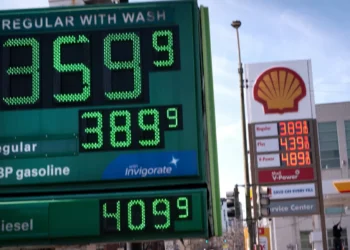
The House on Thursday rejected a proposal to increase the amount of ethanol allowed in gasoline year-round, much to the dismay of Midwestern lawmakers who were pushing for more use of the fuel. The legislation, which would have allowed for sales of gasoline with higher ethanol content all year, was not included in the funding bill that was being debated.
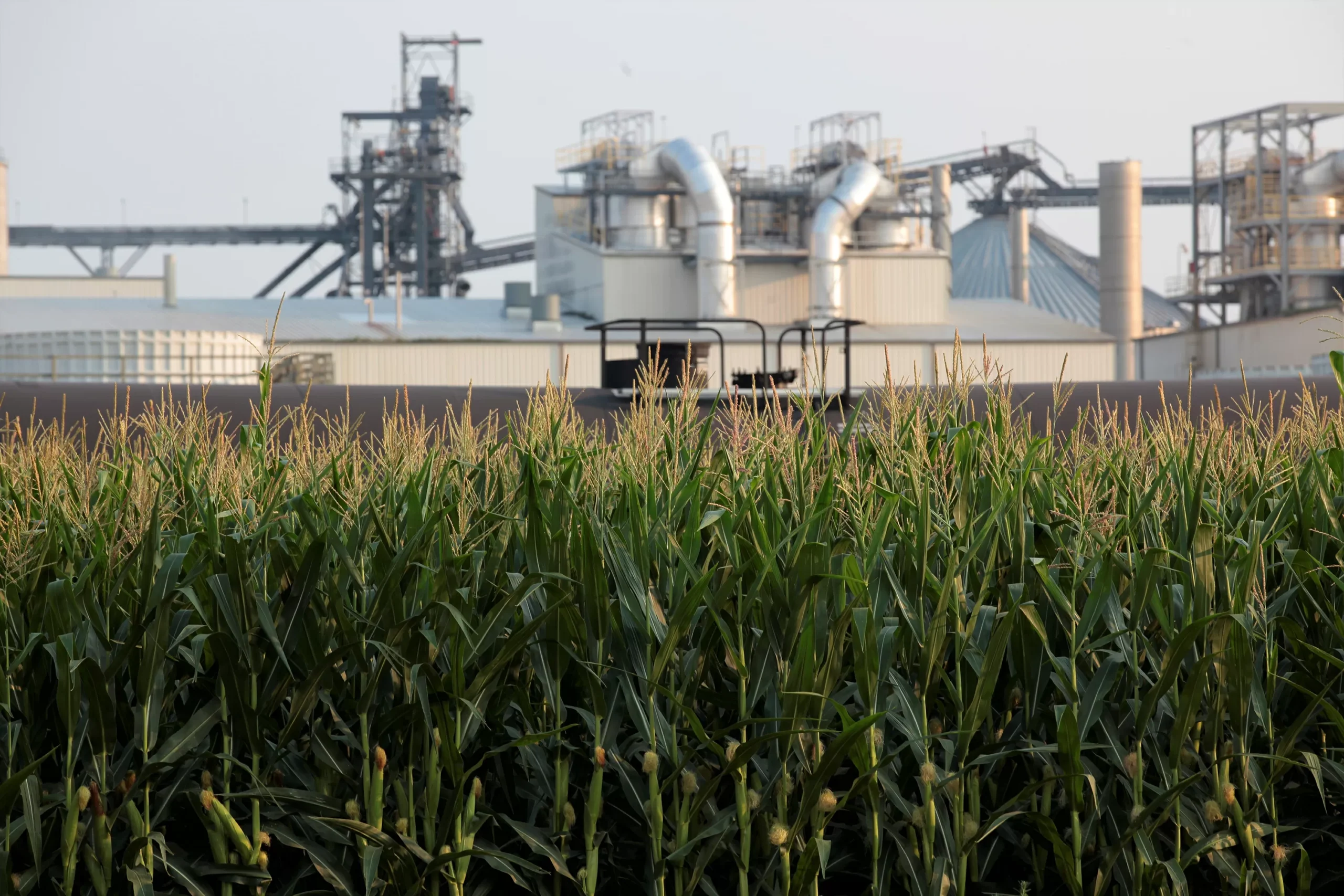
The push for increased ethanol use comes from the Midwest, where corn is a major crop and ethanol production is a significant industry. Proponents argue that increasing the amount of ethanol in gasoline would not only support the agricultural sector, but also reduce dependence on foreign oil and promote cleaner air.
However, opponents of the measure, including oil companies and environmental groups, argue that higher ethanol blends can damage car engines and increase air pollution. They also point out that the current ethanol mandate has already caused a strain on the corn market, leading to higher food prices.
Despite these concerns, Midwestern lawmakers were determined to see the legislation included in the funding bill. They argued that it would provide a much-needed boost to the ethanol industry and create jobs in their states.
But in the end, the House decided to hold off on making any changes to the current ethanol mandate. This decision was met with disappointment from those who were hoping for a change in policy.
However, this does not mean that the issue is completely off the table. The House has promised to revisit the issue in the near future, giving hope to those who support increased ethanol use.
In the meantime, it is important to consider the potential benefits and drawbacks of increasing the amount of ethanol in gasoline. While it may support the agricultural sector and reduce dependence on foreign oil, it is also important to ensure that it does not have negative effects on car engines and the environment.
Furthermore, it is crucial to find a balance between supporting the ethanol industry and protecting other sectors, such as the oil industry and the food market. Any changes to the current ethanol mandate must be carefully considered and thoroughly researched to ensure that it is in the best interest of all parties involved.
It is also important to note that the debate over ethanol use is not a new one. It has been ongoing for years, with both sides presenting valid arguments. Ultimately, the decision on whether to increase the amount of ethanol in gasoline should be based on thorough research and consideration of all factors.
In conclusion, while the House may have rejected the proposal to increase ethanol use for now, the issue is far from over. Midwestern lawmakers and supporters of the ethanol industry will continue to push for change, while opponents will continue to voice their concerns. It is up to the government to carefully consider all perspectives and make a decision that is in the best interest of the country as a whole.