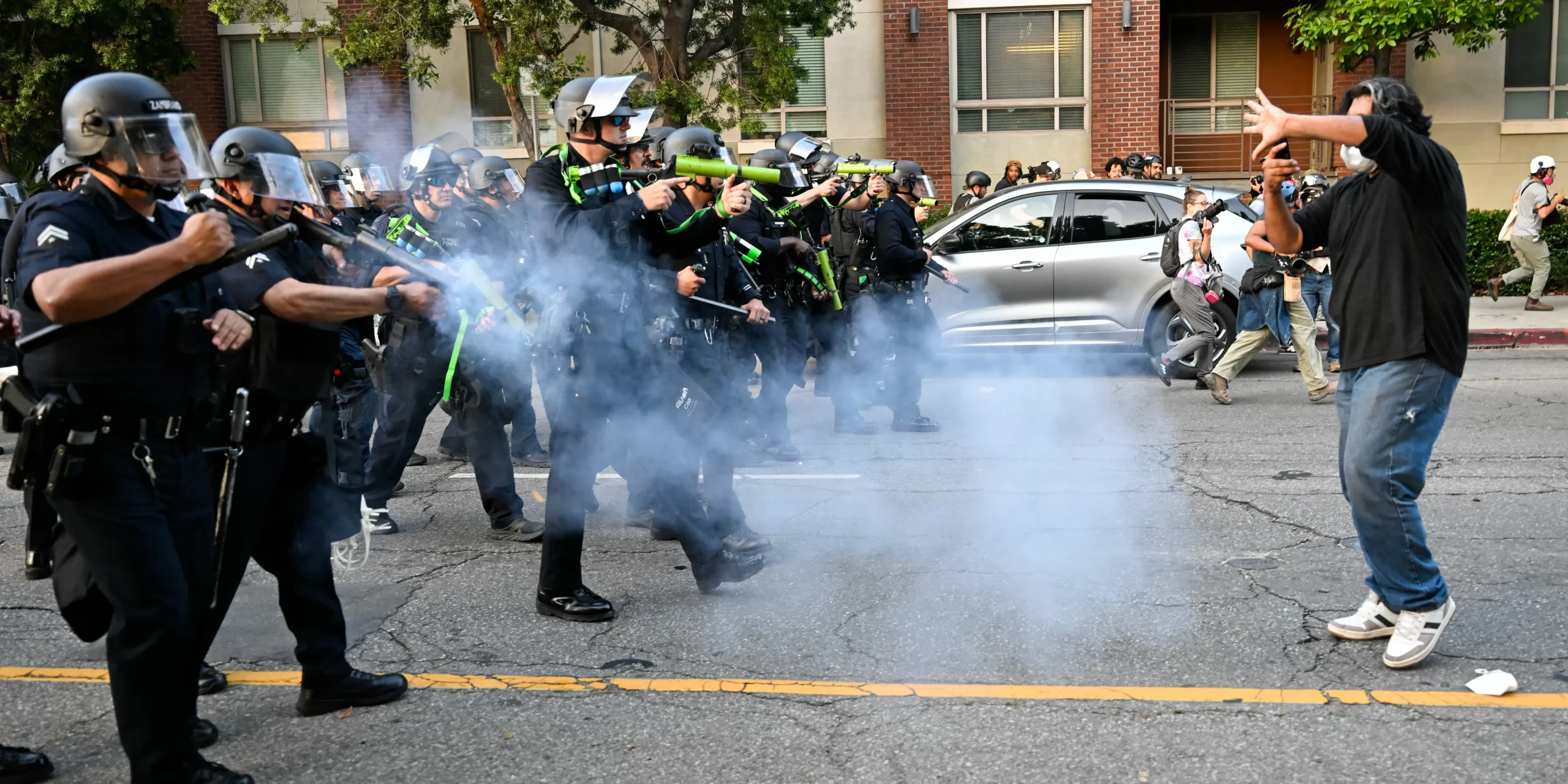
In recent years, the United States has seen a surge in protests against the Immigration and Customs Enforcement (ICE) agency. These protests have been met with swift and aggressive action from the Trump administration, with prosecutors wasting no time in bringing charges against those who dare to speak out against the agency’s controversial policies. However, despite their best efforts, the administration has consistently failed to secure convictions in these cases, leading many to question the validity of their actions.
The Trump administration’s approach to handling protests against ICE has been nothing short of alarming. In a country that prides itself on freedom of speech and the right to peaceful assembly, it is deeply concerning to see the government using its power to silence dissenting voices. From the very beginning, it was clear that the administration’s goal was to intimidate and discourage protesters, rather than to uphold the law.
One of the most high-profile cases of this nature was that of the “ICE Nine” – a group of activists who were arrested for blocking the entrance to an ICE facility in New York City. The group, which included prominent figures such as Linda Sarsour and Shaun King, were charged with obstruction of government administration and disorderly conduct. However, after a lengthy trial, all charges were dropped, with the judge citing a lack of evidence and the protesters’ constitutional right to free speech.
This was not an isolated incident. In fact, the Trump administration has a track record of losing cases against ICE protesters. In Portland, Oregon, a group of activists known as the “ICE 9” were arrested for blocking the entrance to an ICE facility. Despite facing charges of trespassing and disorderly conduct, all nine protesters were acquitted by a jury. Similarly, in Boston, charges against 18 protesters who were arrested for blocking an ICE detention center were dropped due to lack of evidence.
These cases highlight a disturbing trend – the Trump administration’s eagerness to prosecute protesters against ICE, without having a strong legal basis for doing so. It seems that the government’s main strategy is to use the threat of prosecution as a means of silencing dissent. However, time and time again, the courts have ruled in favor of the protesters, recognizing their right to peacefully protest and speak out against what they believe to be unjust policies.
The failure of these cases also sheds light on the questionable tactics used by the government in their attempts to prosecute protesters. In many instances, prosecutors have relied on vague and broad charges, such as “disorderly conduct” or “obstruction of government administration,” in an effort to criminalize peaceful protest. This not only goes against the principles of free speech and assembly, but it also undermines the credibility of the justice system.
Furthermore, the government’s actions have been met with widespread criticism and condemnation from civil rights organizations and activists. The American Civil Liberties Union (ACLU) has been at the forefront of defending the rights of protesters and has filed multiple lawsuits against the government for their unconstitutional actions. In a statement, the ACLU’s deputy legal director, Cecillia Wang, stated that “the government’s repeated attempts to silence and intimidate protesters are a blatant violation of the First Amendment.”
It is clear that the Trump administration’s attempts to prosecute protesters against ICE have been a colossal failure. Not only have they been unable to secure convictions, but their actions have also raised serious concerns about the state of democracy and free speech in the United States. The government’s relentless pursuit of these cases is a waste of time and resources, and it is time for them to accept defeat and focus on more pressing issues.
In conclusion, the Trump administration’s track record of losing cases against ICE protesters is a testament to the resilience and determination of those who are fighting for justice and human rights. Despite facing intimidation and legal challenges, these activists have stood their ground and have emerged victorious. It is a reminder that the power of the people is stronger than any government’s attempts to silence them. As we continue to see protests against ICE and other injustices, we must remember that our voices matter and that we have the right to speak out against injustice.