The United States is known as a global superpower with a strong military presence around the world. While this may instill a sense of security for some, it is important to remember that with great power comes great responsibility. And unfortunately, this responsibility is often forgotten when it comes to the use of force.
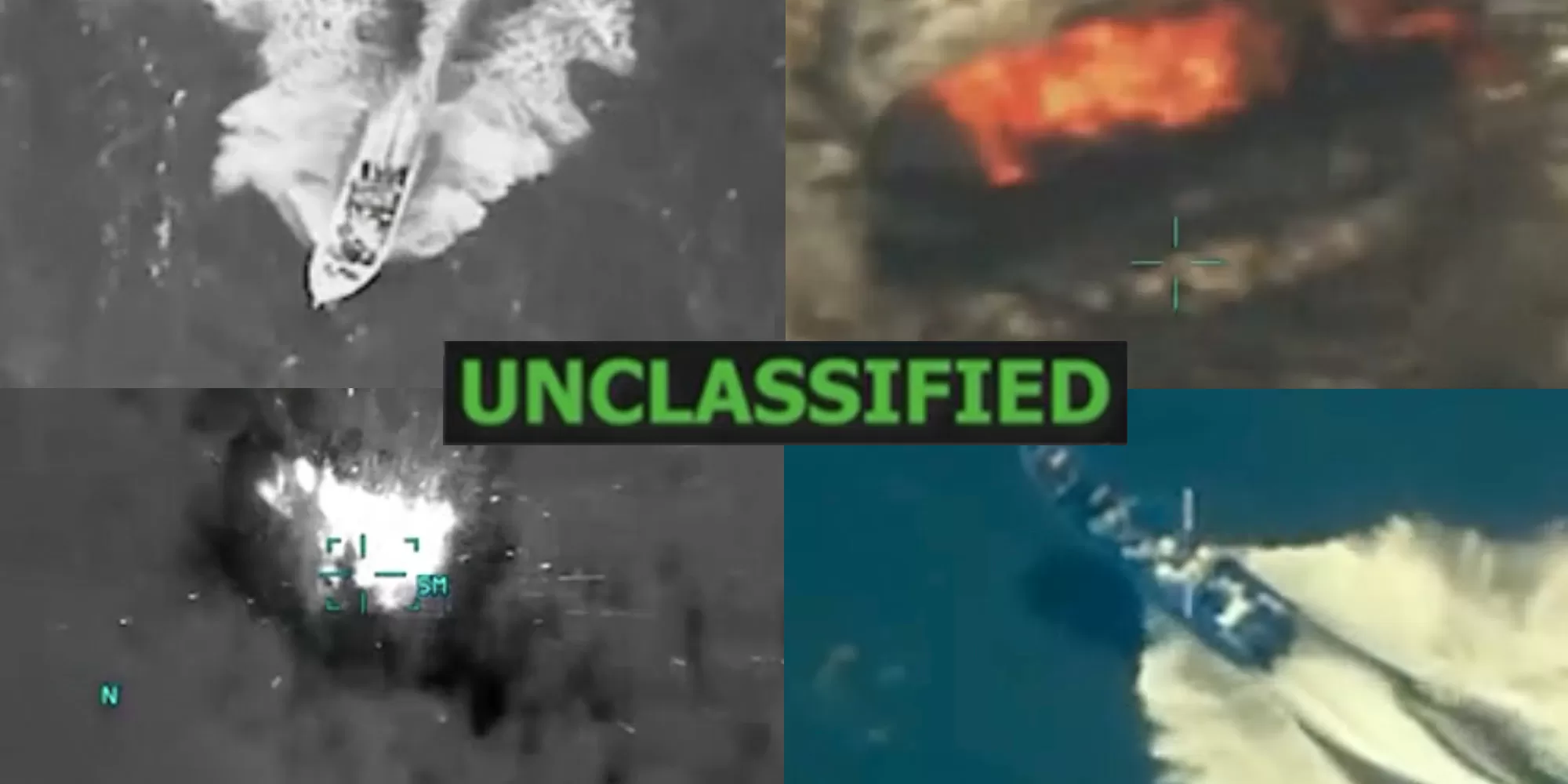
In recent years, there has been a growing concern about the number of boat strikes carried out by the United States in the Caribbean Sea and Pacific Ocean. These attacks, which often result in civilian casualties, have raised questions about the ethics and accountability of the US military.
But thanks to the efforts of The Intercept, an independent news organization, we now have a comprehensive record of all publicly declared U.S. attacks on boats in these regions. This invaluable resource sheds light on the true cost of American military actions and serves as a reminder of the devastating impact they can have on innocent lives.
According to The Intercept’s database, since 2014, the United States has carried out at least 36 boat strikes in the Caribbean Sea and Pacific Ocean, resulting in the deaths of 81 people. These attacks, which often involve the use of unmanned drones, have taken place in countries such as Yemen, Somalia, and Pakistan.
One particularly troubling aspect of these attacks is the lack of transparency and accountability surrounding them. The United States often justifies these strikes as necessary for national security, but the reality is that the majority of the victims are civilians. Children, women, and innocent bystanders are caught in the crossfire and their lives are forever altered.
The Intercept’s database not only provides a record of these strikes, but also includes information about the victims, such as their age, gender, and nationality. This humanizes the statistics and reminds us that each number represents a real person with hopes, dreams, and loved ones.
For example, in 2015, a drone strike in Yemen killed 12 civilians, including three children. Among the victims was a 12-year-old girl who dreamed of becoming a doctor. Two years later, another strike in Yemen killed 10 civilians, including a pregnant woman and three children. These are just a few examples of the innocent lives lost in these boat strikes.
The Intercept’s database is a crucial tool for holding the United States accountable for its actions. Without this information, these attacks would remain hidden and the victims would go unnoticed. By keeping track of these strikes, The Intercept is shining a light on the dark reality of American military interventions.
But this is not just about statistics and numbers. The Intercept’s database also serves as a call to action. It urges us to question the morality of these strikes and demand greater transparency and accountability from our government. It reminds us that we cannot turn a blind eye to the human cost of war.
Furthermore, this database is a reminder of the need for alternative forms of journalism. The Intercept, with its focus on investigative reporting and holding those in power accountable, is a prime example of the importance of independent media. In a time where mainstream media often fails to challenge the government’s narrative, organizations like The Intercept are essential for a truly informed society.
In conclusion, The Intercept’s database on U.S. attacks on boats in the Caribbean Sea and Pacific Ocean is a valuable resource that sheds light on the true cost of American military actions. It serves as a reminder of the human toll of these attacks and the need for greater transparency and accountability. Let us use this information to demand a more ethical and responsible approach to foreign policy.