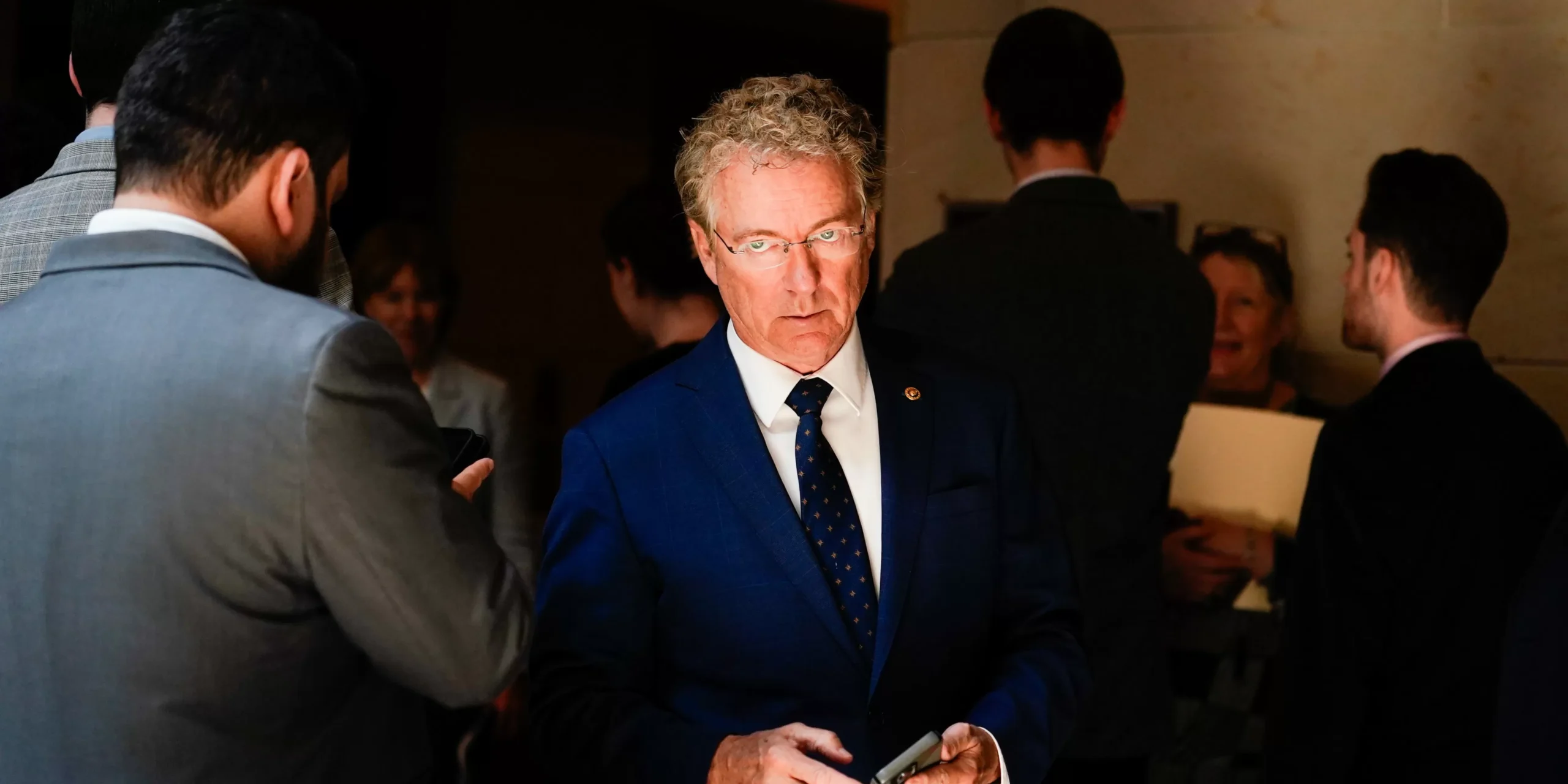
Senator Rand Paul, a fierce advocate for civil liberties, is investigating whether George Washington University’s Program on Extremism had an unduly close relationship with the Transportation Security Administration (TSA). The senator’s concerns stem from a recent report by The Intercept, which suggests that the TSA may have relied on the program to put names on a secret watchlist.
The Program on Extremism, which is part of the university’s Center for Cyber and Homeland Security, is known for its research on extremism and terrorism. However, according to The Intercept’s report, the program has also been involved in providing training and guidance to the TSA on identifying potential threats at airports.
This revelation has raised serious questions about the extent of the program’s influence on the TSA’s operations and the potential violation of individuals’ rights. Senator Paul has expressed his concerns, stating that “the government should not be using taxpayer dollars to fund programs that may be infringing on our civil liberties.”
The Intercept’s report highlights the case of a Muslim-American couple who were detained and questioned by TSA agents at an airport in Ohio. The couple, who had no criminal record or ties to any extremist groups, were surprised to find out that their names were on a secret watchlist. It is alleged that the couple’s names were added to the list based on information provided by the Program on Extremism.
This incident has sparked outrage among civil liberties groups, who argue that the government’s use of a controversial “counter-extremism” group to determine who is placed on a secret watchlist is a violation of due process and a threat to individual rights.
The Program on Extremism has defended its collaboration with the TSA, stating that it has provided valuable insights and expertise on identifying potential threats. However, the program has also acknowledged that it does not have access to classified information and that it does not make the final decision on who is placed on the watchlist.
Despite these assurances, Senator Paul has called for a full investigation into the program’s relationship with the TSA. He has also raised concerns about the lack of transparency and oversight in the TSA’s watchlist process.
The senator’s efforts to hold the government accountable for its actions are commendable. In a time where the threat of terrorism is ever-present, it is important to strike a balance between security and civil liberties. The government must ensure that its counter-terrorism measures do not infringe on the rights of innocent individuals.
Moreover, the use of a controversial “counter-extremism” group to determine who is placed on a secret watchlist is a cause for concern. This raises questions about the reliability and accuracy of the information being used to identify potential threats.
It is also important to note that the Program on Extremism’s research and expertise on extremism and terrorism should not be discredited. However, the government must ensure that its collaboration with such programs does not lead to the violation of individuals’ rights.
In light of these developments, it is crucial that the government reviews its policies and procedures for placing individuals on the watchlist. There must be clear guidelines and oversight to prevent the misuse of this powerful tool.
In conclusion, Senator Rand Paul’s investigation into the relationship between the Program on Extremism and the TSA is a step in the right direction. It is essential that the government is held accountable for its actions and that the rights of individuals are protected. We must strive for a balance between security and civil liberties, and this investigation is a crucial step towards achieving that.