Change is an inevitable part of life, and in today’s fast-paced world, it is happening at an unprecedented rate. With the rapid advancements in technology, particularly in the field of Artificial Intelligence (AI), organizations are constantly being challenged to adapt and evolve. This has led to a growing need for individuals and businesses to have strong change capability and capacity.
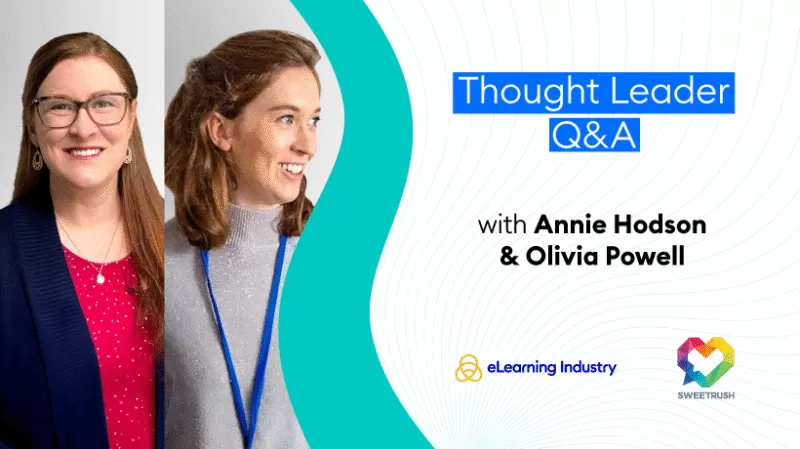
To gain a deeper understanding of this topic, we had the pleasure of speaking with Annie Hodson and Olivia Powell from SweetRush, a global leader in custom learning solutions. In this Thought Leader Q&A, they share their insights on change capability and capacity, navigating the rapid change driven by AI, and developing skill certification and change management programs.
Q: Let’s start with the basics, what exactly is change capability and capacity?
Annie: Change capability is the ability to adapt and thrive in the face of change. It involves having the necessary skills, knowledge, and mindset to embrace change and make the most out of it. On the other hand, change capacity is the organization’s ability to handle and manage change effectively. It includes having the right resources, processes, and infrastructure in place to support change initiatives.
Olivia: Both change capability and capacity are crucial for organizations to succeed in today’s dynamic business landscape. Without them, organizations risk falling behind their competitors and losing their competitive edge.
Q: With the rapid advancements in AI, how can organizations navigate the constant change it brings?
Annie: AI is transforming the way we work and live, and organizations must be prepared to adapt to this change. This requires a proactive approach, where organizations continuously assess their current capabilities and identify areas for improvement. They must then invest in training and development programs to upskill their employees and prepare them for the future.
Olivia: It’s also essential for organizations to create a culture that embraces change and encourages innovation. This can be achieved by involving employees in the change process, providing them with the necessary support and resources, and celebrating successes. By doing so, organizations can create a positive mindset towards change and foster a culture of continuous learning.
Q: How can organizations develop skill certification and change management programs to support their employees through change?
Annie: Skill certification programs are a great way to validate an employee’s knowledge and skills in a particular area. They provide employees with a sense of accomplishment and boost their confidence, making them more equipped to handle change. These programs can be tailored to specific roles and can also be used as a tool for career development.
Olivia: Change management programs, on the other hand, focus on equipping employees with the necessary tools and techniques to navigate change effectively. These programs should include training on communication, problem-solving, and resilience, as these are essential skills for managing change. By investing in these programs, organizations can ensure their employees are well-prepared to handle any changes that come their way.
Q: What are some best practices for organizations to build and maintain change capability and capacity?
Annie: Firstly, organizations must have a clear understanding of their current capabilities and capacity. This can be achieved through regular assessments and feedback from employees. Secondly, they must have a well-defined change management strategy in place, which includes identifying potential risks and having contingency plans. Finally, organizations must continuously invest in training and development programs to upskill their employees and stay ahead of the curve.
Olivia: It’s also essential for organizations to foster a culture of continuous learning and feedback. Employees should be encouraged to share their ideas and suggestions for improvement, and their feedback should be taken into consideration when implementing change initiatives. By involving employees in the change process, organizations can build a strong change capability and capacity.
Q: Any final thoughts or advice for organizations looking to enhance their change capability and capacity?
Annie: Embracing change is no longer a choice; it’s a necessity for organizations to survive and thrive. By investing in their employees’ development and creating a culture that embraces change, organizations can build a strong change capability and capacity. This will not only help them navigate the rapid changes driven by AI but also prepare them for any future disruptions.
Olivia: It’s also important for organizations to remember that change is a continuous process. They must be open to adapting and evolving as new technologies and trends emerge. By doing so, they can stay ahead of the curve and remain competitive in today’s ever-changing business landscape.
In conclusion, change capability and capacity are crucial for organizations to succeed in today’s fast-paced world. With the