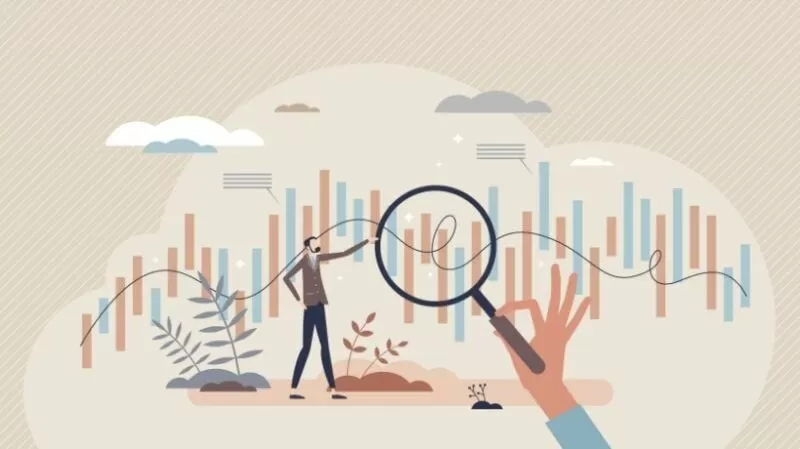
Are You Measuring Under Convenient Lights or in the Dark Corners of Impact?
In today’s fast-paced world, where everything is constantly changing and evolving, it has become more important than ever to measure the impact of our actions. Whether it’s in our personal or professional lives, we are constantly striving to achieve success and make a difference. But how do we know if we are truly making an impact? Are we measuring under convenient lights or in the dark corners of impact?
The truth is, most of us tend to measure our success and impact under convenient lights. We focus on the things that are easily measurable and visible, such as numbers, statistics, and tangible results. While these metrics are important, they only tell a small part of the story. We often overlook the intangible and less visible aspects of our impact, which can be just as significant, if not more.
Let’s take the example of a teacher. They may measure their impact by the grades their students achieve or the number of students who pass their exams. These are important indicators, but they do not reflect the true impact of a teacher. The real impact lies in the knowledge, skills, and values that the students acquire, which may not be immediately visible but can have a profound impact on their lives in the long run.
Similarly, in the corporate world, companies often measure their success based on profits, market share, and customer satisfaction. While these are crucial factors, they do not paint the complete picture. The real impact of a company lies in its contribution to society, its ethical practices, and its impact on the environment. These may not be easily measurable, but they are essential for the long-term sustainability and success of a company.
So why do we tend to measure under convenient lights? One reason could be the fear of failure. It is easier to measure and celebrate success when it is tangible and visible. It gives us a sense of accomplishment and validation. On the other hand, measuring intangible aspects of impact can be challenging and may not always yield positive results. But it is in these dark corners of impact that we can truly make a difference.
Another reason could be the pressure to conform to societal norms and expectations. We live in a world where success is often equated with material possessions and external validation. As a result, we tend to focus on the things that are easily measurable and visible, rather than the things that truly matter.
But what if we start measuring our impact in the dark corners? What if we start looking beyond the numbers and statistics? The possibilities are endless. We could uncover hidden talents, discover new ways to make a positive impact, and create a ripple effect that goes beyond what we can imagine.
Measuring in the dark corners of impact also requires a shift in mindset. We need to move away from the traditional definition of success and start redefining it in terms of impact. Success should not be measured by what we have achieved, but by the difference we have made in the lives of others.
So how can we start measuring in the dark corners of impact? The first step is to change our perspective. We need to start looking at the bigger picture and not get lost in the details. We should also be open to feedback and criticism, as they can help us identify areas where we can make a greater impact.
We should also focus on building meaningful relationships and connections. These connections can help us understand the impact we are making and provide valuable insights and perspectives. We should also be willing to take risks and step out of our comfort zone. It is in these moments of uncertainty that we can truly make a difference.
In conclusion, it is essential to measure our impact, but we should not limit ourselves to convenient lights. We need to start looking in the dark corners, where our true impact lies. Let us not be afraid to fail or conform to societal norms. Instead, let us strive to make a difference in the lives of others and measure our success in terms of the impact we make. Only then can we truly make a positive and lasting impact on the world.